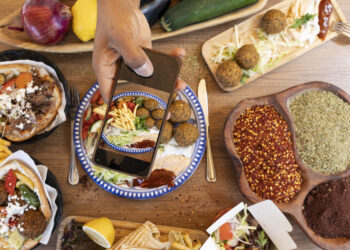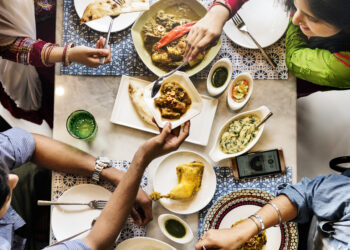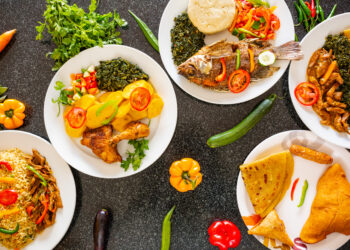

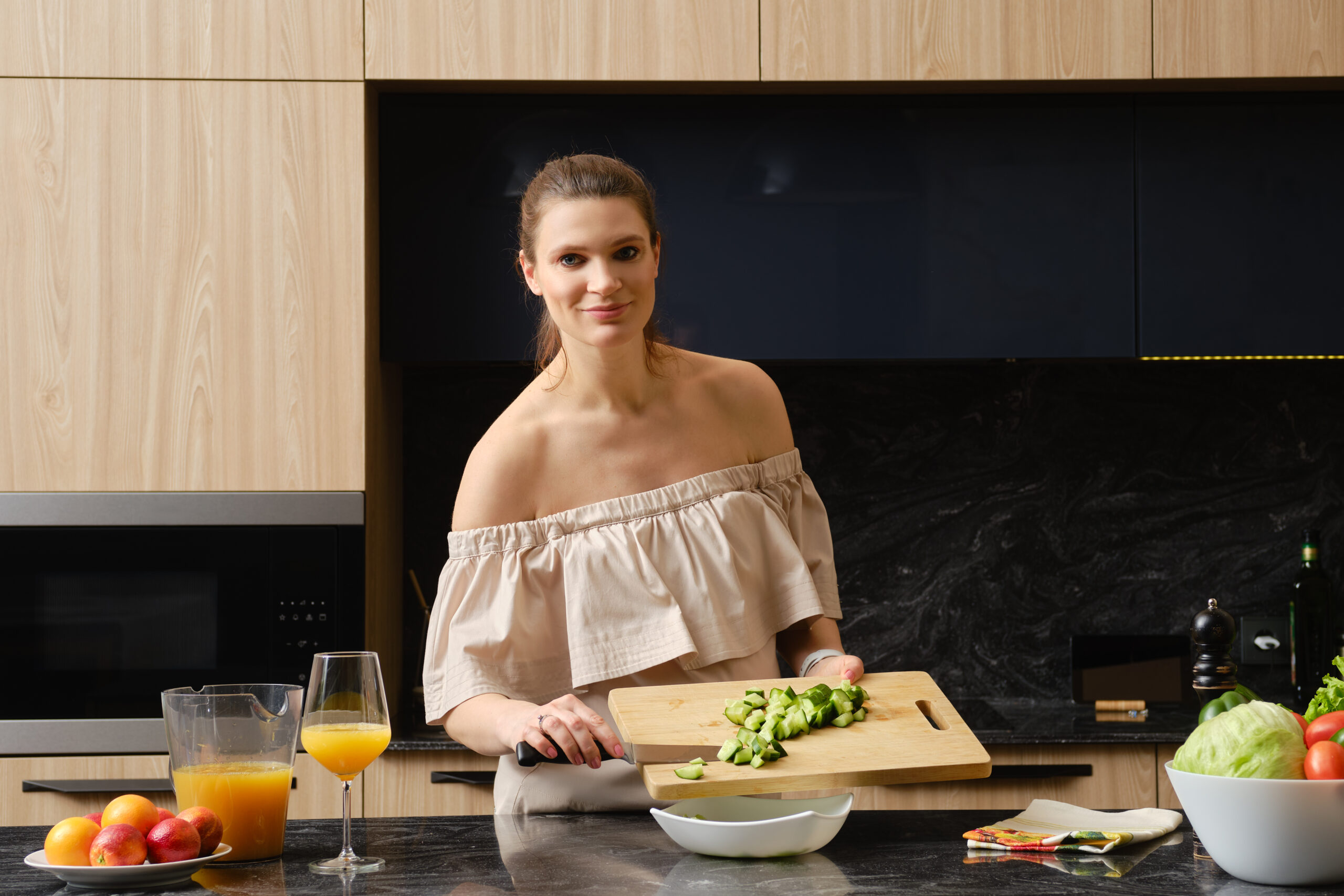
Home-Cooked Food Is Becoming the New Luxury, not because everyone suddenly transformed into a celebrity chef overnight, but because modern life has become so rushed, noisy, and convenience-driven that simply having the time to prepare a proper meal now feels oddly indulgent. In a world of food delivery apps, supermarket meal deals, protein bars eaten in traffic, and sad desk lunches inhaled between meetings, cooking slowly at home has quietly become a form of wellness, comfort, and even status.

Across the UK, more people are rediscovering the joy of chopping vegetables without rushing, simmering sauces properly, kneading dough by hand, and eating meals at actual tables rather than hovering near the fridge at midnight wondering whether cheese counts as dinner. The growing interest in slow living, mindful eating, and intentional lifestyles has pushed home cooking back into the spotlight — and not in a forced “perfect Instagram kitchen” sort of way either.
People are craving something more meaningful from food. They want warmth, connection, ritual, and flavour that does not arrive in plastic tubs with tiny wooden forks. And honestly, after years of expensive takeaway coffees and aggressively disappointing sandwiches, many are beginning to realise that home-cooked food offers something restaurants and delivery services often cannot: emotional satisfaction.
The Rise of Slow Living in Britain
The slow living movement has gained huge popularity across the UK in recent years, especially as people reassess work-life balance, mental wellbeing, and how they spend their time.
Slow living is not about doing everything at snail pace while living in a countryside cottage surrounded by sourdough starters and suspiciously photogenic onions. It is more about being intentional. It encourages people to focus on quality over speed, presence over productivity, and meaningful habits over constant busyness.
Food naturally sits at the centre of this lifestyle.
Cooking at home forces people to slow down in small but important ways. Washing rice, stirring curries, roasting vegetables, marinating meat overnight, or brewing tea properly all create moments of pause within hectic routines.
For many Britons, home cooking has become a quiet rebellion against burnout culture.
After years of glorifying hustle lifestyles and convenience eating, there is growing appreciation for ordinary domestic rituals that feel grounding and comforting. A homemade lasagne now carries the emotional weight that expensive restaurant dining once did.
Why Convenience Food No Longer Feels Satisfying?
Convenience culture changed the way Britain eats. Supermarkets filled shelves with ready meals, instant sauces, microwave dinners, and packaged snacks designed to save time. Food delivery apps made restaurant meals available within minutes. Takeaways became normal weekday habits rather than occasional treats.
At first, this felt liberating. But over time, many people realised convenience often comes with hidden costs. Meals became rushed, disconnected, and repetitive. Portion sizes shrank while prices mysteriously rose. Some ready meals contain ingredient lists that sound less like food and more like chemistry homework.
As wellness conversations grew louder, people started paying closer attention to what they were eating and how it made them feel.
Home-cooked meals offer greater control over ingredients, nutrition, flavour, and portion sizes. They also create emotional value. A bowl of homemade soup on a rainy evening feels entirely different from eating lukewarm chips from a paper bag while replying to emails.
Cooking Became Emotional During Difficult Times
One reason home cooking gained renewed popularity in Britain was because of collective experiences during difficult periods, particularly lockdowns.
When restaurants closed and daily routines slowed down, kitchens suddenly became central spaces again. People began baking bread, learning family recipes, growing herbs, and experimenting with dishes they previously never had time to make.
Banana bread became practically a national coping mechanism for a while.
What started as necessity slowly evolved into habit for many households. Cooking provided structure, creativity, comfort, and distraction during uncertain times. Families ate together more often. Younger generations called grandparents asking for recipes that had previously existed only through vague instructions like “add enough until it feels right”.
That reconnection with food traditions has continued beyond lockdown periods.
Many people discovered they genuinely enjoyed cooking once it stopped feeling like an exhausting chore squeezed between commuting and overwork.
Home Cooking and Wellness Culture
Modern wellness culture has also helped elevate home-cooked food into a form of self-care.
People are increasingly interested in mindful eating, gut health, balanced nutrition, and understanding what goes into their meals. Home cooking fits naturally into these conversations because it encourages awareness around ingredients and eating habits.
Rather than focusing purely on calorie counting or restrictive diets, many Britons are shifting towards holistic approaches to food. They want meals that nourish both physically and emotionally.
Cooking at home allows people to include fresher produce, seasonal ingredients, healthier fats, and less processed food without sacrificing flavour.
More importantly, it slows the eating process itself.
Mindful eating encourages people to actually notice textures, flavours, aromas, and hunger cues instead of absent-mindedly consuming food while scrolling through phones or binge-watching television.
Ironically, something as ordinary as sitting down properly for dinner now feels almost luxurious.
The Cost of Eating Out in Britain
Another reason home-cooked food is becoming the new luxury is financial reality.
Dining out in Britain has become significantly more expensive. Even casual meals can quickly spiral into surprisingly painful bills once drinks, service charges, and desserts enter the equation. Meanwhile, takeaway prices continue climbing while portion sizes mysteriously become more philosophical than filling.
For many households, cooking at home now represents better value without sacrificing quality.
People are becoming smarter about where they spend money. Instead of frequent mediocre takeaways, many prefer investing in quality ingredients to create memorable meals at home.
A homemade curry night with fresh naan, chutneys, rice, and dessert can feed several people for the cost of one restaurant main course in some cities.
There is also growing pride associated with cooking well at home. Hosting friends for dinner feels more thoughtful and personal than simply booking tables somewhere noisy where nobody can hear each other anyway.
Cultural Roots and Family Recipes
Across multicultural Britain, home-cooked food also represents identity, memory, and heritage.
Many immigrant families have preserved traditions through cooking. Recipes become living archives passed between generations. Kitchens become spaces where language, culture, and storytelling survive.
In Indo-Caribbean, South Asian, African, Middle Eastern, and Mediterranean households especially, home cooking often remains deeply tied to family life.
Meals are rarely rushed affairs. Spices are toasted carefully. Sauces simmer slowly. Recipes evolve through instinct rather than measurements. Food becomes a form of love expressed daily.
Younger generations in Britain are increasingly reconnecting with these traditions. Many are learning recipes from parents and grandparents not only to preserve culture but because these dishes offer comfort and authenticity often missing from fast food culture.
There is something deeply satisfying about recreating a childhood meal from scratch and realising halfway through that your kitchen smells exactly like home.
Social Media Changed Home Cooking Too
Interestingly, social media has both complicated and inspired home cooking culture.
On one hand, platforms filled with flawless kitchens and aggressively aesthetic salads can make cooking feel intimidating. Not everyone has marble countertops, unlimited free time, or the emotional stability required for six-layer cakes on weekday evenings.
On the other hand, social media has made recipes far more accessible.
Home cooks now learn techniques from creators around the world instantly. People experiment with cuisines they may never have encountered otherwise. Food content has encouraged curiosity, creativity, and confidence in the kitchen.
Importantly, audiences increasingly appreciate authenticity over perfection. Videos showing burnt rotis, messy counters, or failed baking attempts often feel more relatable than polished cooking shows ever did.
Real cooking is imperfect. Sometimes rice sticks. Sometimes naan resembles abstract art. Life continues.
Gardening, Sustainability and Seasonal Eating
The growing interest in sustainability has also contributed to the rise of home-cooked food culture.
Many Britons are becoming more conscious about food waste, packaging, sourcing, and environmental impact. Cooking at home encourages better planning and more thoughtful consumption.
People waste less when they understand ingredients more closely. Leftovers become soups, curries, sandwiches, or stir-fries instead of forgotten science experiments hiding in takeaway containers.
There is also renewed appreciation for seasonal produce and local ingredients. Farmers’ markets, community gardens, and home-grown herbs have gained popularity as part of broader slow living trends.
Even small acts like growing mint on a windowsill or making homemade chutney create stronger connections to food preparation.
Cooking reminds people that meals do not magically appear. They require care, time, and effort.
Why Younger Generations Are Returning to the Kitchen?
Millennials and Gen Z are often accused of living on takeaway coffee and iced drinks with ingredients nobody can pronounce. Yet many younger Britons are actively embracing home cooking for practical and emotional reasons.
Partly, this is financial necessity. But it is also tied to wellness culture, sustainability concerns, and the search for meaningful routines.
Cooking offers creativity in an increasingly digital world. It provides tangible results in contrast to endless online tasks that never truly feel finished.
There is also comfort in rituals.
Making tea properly. Preparing Sunday lunch. Cooking large family meals. Hosting dinner parties with slightly overambitious menus. These experiences create memories and social connection in ways that expensive nightlife or constant screen time often cannot.
Home cooking also gives younger generations opportunities to reconnect with family heritage and cultural identity, especially within multicultural households across Britain.
Restaurants Are Responding Too
Interestingly, even restaurants have noticed the growing appeal of home-style food.
Many cafes and eateries now market meals as “homemade”, “slow-cooked”, “comfort food”, or “family-style”. Menus emphasise authenticity, nostalgia, and traditional cooking techniques.
Why? Because people increasingly associate these qualities with emotional wellbeing and trust.
The irony is rather funny. Modern life became so obsessed with speed and convenience that businesses now sell slowness back to consumers as a premium experience.
And yet it works because people genuinely miss warmth, intimacy, and simplicity around food.
Food as a Form of Care
At its heart, the return to home-cooked food reflects something deeply human.
Cooking for yourself or others is an act of care. It requires attention, patience, and presence. Whether preparing a simple bowl of dhal or an elaborate Sunday feast, homemade meals carry emotional meaning that fast food rarely replicates.
Food anchors memories. It comforts people during grief, celebrates milestones, and strengthens relationships.
Some of the most meaningful meals are not expensive restaurant experiences at all. They are ordinary dinners eaten in familiar kitchens surrounded by people you love.
That emotional richness explains why home-cooked food increasingly feels luxurious in modern Britain.
Not luxurious because it is extravagant, but because it has become rare.
Time is rare. Presence is rare. Shared meals are rare. Slowing down is rare.
A properly cooked meal made with care now represents something many people are desperately searching for: balance.
The Future of Food in Britain
Home cooking will likely continue growing alongside wellness trends, sustainability movements, and interest in slow living.
People are becoming more intentional about how they eat, shop, and spend time. While takeaways and convenience foods will always have their place, especially after long workdays when cooking feels emotionally impossible, there is clear movement towards more mindful relationships with food.
Britain’s multicultural identity also ensures that home cooking will continue evolving beautifully. Recipes from different communities will keep blending, adapting, and inspiring new traditions.
One household may serve roast potatoes alongside jerk chicken. Another may pair chai with sponge cake. Someone somewhere is probably putting leftover curry inside a toastie right now and honestly, that person deserves respect.
Home-cooked food is not about perfection. It is about comfort, nourishment, memory, and connection.
And perhaps that is why it feels luxurious today.
Not because it is expensive, exclusive, or trendy, but because in a world constantly rushing forward, cooking slowly reminds people to pause long enough to actually enjoy life. So pop the kettle on, stir the curry gently, and follow CurryBien for more cultural stories served with extra flavour and a side of warmth.