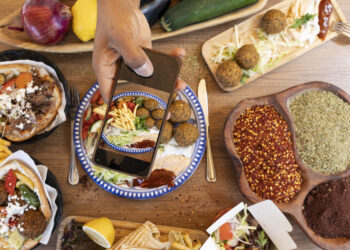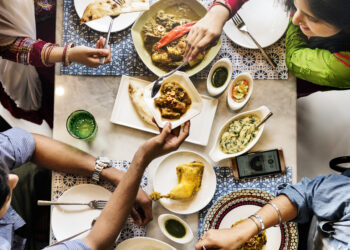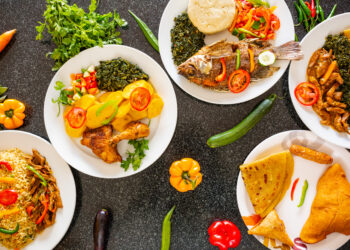

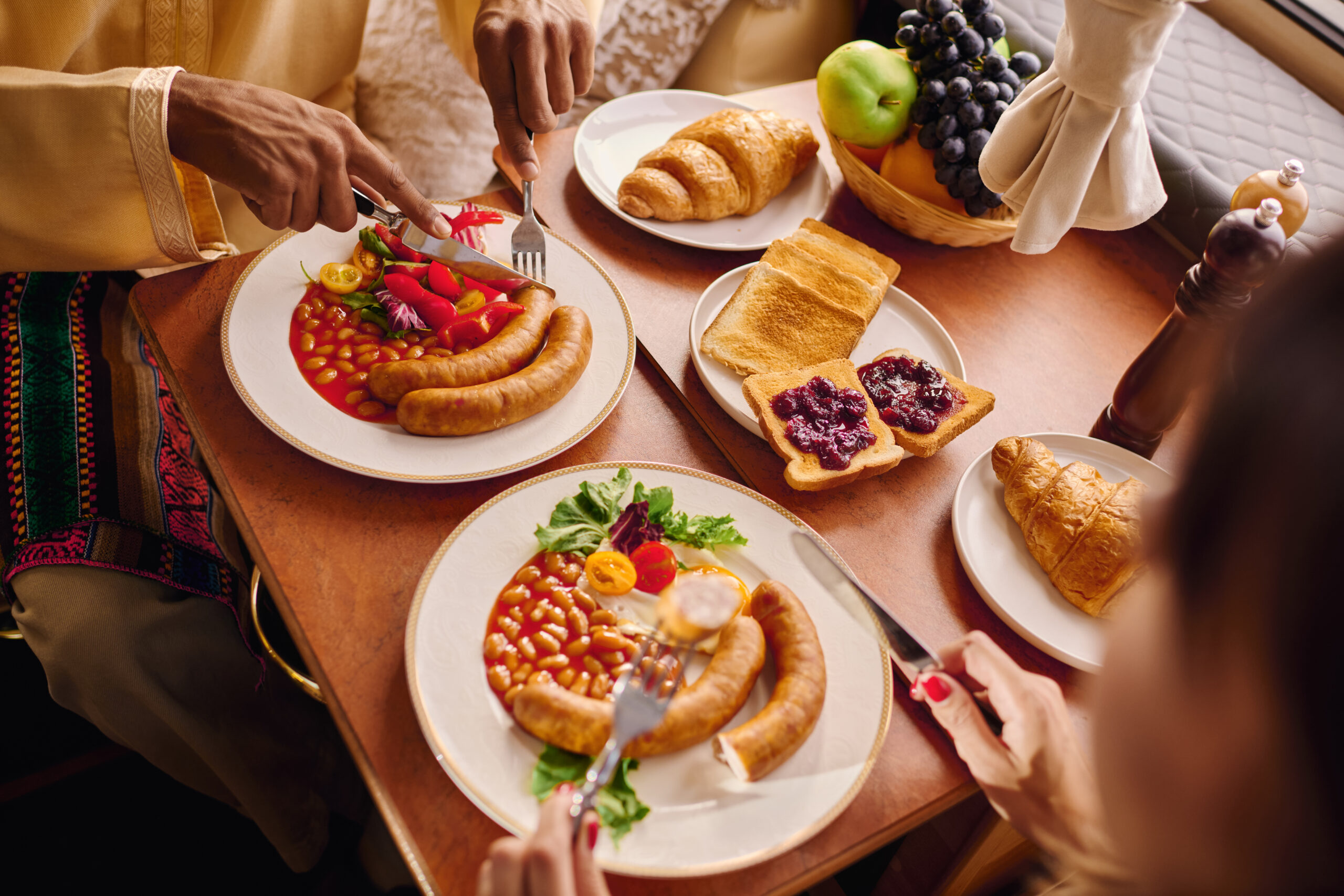
Immigration Has Quietly Shaped Britain’s Favourite Foods, though many people probably don’t realise just how much of the UK’s daily menu owes its existence to generations of newcomers carrying recipes, spices, traditions, and cooking methods in battered suitcases alongside hopes for a better future. From Friday night curries to corner-shop samosas, from Caribbean patties to Turkish kebabs after a late evening out, Britain’s food culture has become one giant edible scrapbook of migration stories.

For a country once known internationally for beige dinners and overboiled vegetables, the transformation has been remarkable. Britain today is one of the most exciting places in the world to eat because its food scene reflects the people who built modern Britain itself. Immigration and food UK conversations are no longer separate topics. They are deeply intertwined, simmering together in the same pot.
Food has always travelled with people. Long before social media turned everyone into amateur food critics armed with ring lights and opinions about sourdough hydration, migrants were quietly reshaping British kitchens one dish at a time. Some recipes arrived intact, while others adapted to local ingredients, budgets, and British weather that somehow makes everyone crave carbohydrates by 4pm.
The result? A national menu that tells the story of movement, resilience, creativity, and cultural exchange far better than most history textbooks ever could.
Britain’s Food Before Large-Scale Immigration
Before the major waves of post-war immigration, British cuisine was heavily shaped by local farming, class systems, and wartime rationing. Traditional staples such as roast dinners, pies, stews, bread, and puddings dominated most households. While these foods still remain beloved today, variety was relatively limited compared with modern Britain.
Spices existed in Britain due to colonial trade routes, but they were not widely used in everyday cooking by most families. Pepper was considered adventurous enough in some households. Nutmeg was practically a dare.
Post-war rationing also affected eating habits significantly. Ingredients were scarce, creativity was limited, and convenience often trumped flavour. Then came migration patterns that gradually changed Britain’s culinary identity forever.
People arriving from South Asia, the Caribbean, Africa, the Middle East, China, Eastern Europe, and beyond did not just bring labour to rebuild Britain after the war. They brought recipes passed down through generations. They opened cafes, bakeries, restaurants, market stalls, and takeaway shops that slowly transformed the national palate.
Britain did not simply “discover” global food overnight. It was introduced plate by plate by immigrant communities.
The Curry Revolution
No discussion about immigration and food UK culture would be complete without mentioning curry.
Today, curry feels so embedded in British culture that chicken tikka masala is often jokingly described as a national dish. Yet the popularity of South Asian food in Britain is largely thanks to migrants from India, Pakistan, Bangladesh, and Sri Lanka who established restaurants across the country during the twentieth century.
Many early curry houses were opened by Bangladeshi migrants, particularly from Sylhet. Initially catering to fellow migrants and late-night workers, these establishments gradually attracted wider British audiences curious about unfamiliar flavours. What followed was a complete culinary shift.
Suddenly British diners embraced cumin, coriander, turmeric, cardamom, and chilli. Supermarkets began stocking spices once considered niche. Families started experimenting with homemade curries. Spice racks became less decorative and more functional.
Interestingly, many so-called “British curries” evolved specifically for UK tastes. Dishes were adapted to suit local preferences, ingredients, and expectations. Chicken tikka masala itself is believed to have emerged in Britain rather than South Asia.
This blending of cultures is what makes British food culture so fascinating. Immigration did not erase British identity. It expanded it.
Today, curry houses remain social hubs across the UK. They host birthdays, first dates, football celebrations, office parties, and awkward family reunions where someone inevitably orders a vindaloo they cannot actually handle.
Caribbean Influence on British Comfort Food
The arrival of Caribbean communities through movements such as the Windrush generation had a huge impact on Britain’s food culture as well.
Caribbean cooking introduced bold seasoning, slow-cooked meats, rice dishes, fried snacks, tropical fruits, and vibrant flavours that contrasted sharply with traditional British meals at the time.
Jerk chicken, patties, curry goat, plantain, rice and peas, saltfish, and pepper sauces gradually became part of Britain’s wider food landscape. Markets and local shops began stocking ingredients previously difficult to find, including yams, scotch bonnet peppers, and cassava.
London in particular became a melting pot where Caribbean food thrived alongside South Asian, African, and Middle Eastern cuisines.
One of the most beautiful aspects of Caribbean food culture in Britain is its emotional role within communities. Food became a bridge between generations, a reminder of home, and a source of comfort during periods of racism and exclusion.
Over time, however, Caribbean flavours moved far beyond community spaces and entered mainstream British dining. Today you can find jerk seasoning crisps in supermarkets and plantain on trendy brunch menus where it now costs approximately the same as a small mortgage payment.
Chinese Takeaways and the British Weekend Ritual
Few things feel more distinctly British than ordering a Chinese takeaway on a Friday night while debating whether prawn crackers count as dinner or merely emotional support.
Chinese communities have been part of Britain for generations, but Chinese restaurants and takeaways expanded significantly during the twentieth century. These businesses introduced dishes that became staples of British takeaway culture.
Sweet and sour chicken, chow mein, egg fried rice, spring rolls, and crispy chilli beef became household favourites. Much like British curry, many takeaway dishes evolved uniquely within the UK rather than directly replicating regional Chinese cooking traditions.
These adaptations reflected both practical realities and local preferences. Yet they also opened the door for broader curiosity about authentic Chinese regional cuisines including Cantonese, Sichuan, and Hunan food.
Today, Britain’s food scene contains everything from classic local takeaways to high-end dim sum restaurants and specialist noodle bars.
Immigration often begins by introducing comfort food. Over time, it expands public understanding and appreciation of deeper culinary traditions.
Turkish, Middle Eastern and Mediterranean Influence
Walk through almost any major British town today and you will likely spot kebab shops, Turkish grills, Lebanese bakeries, or Middle Eastern cafes.
Migration from Turkey, Cyprus, Lebanon, Iran, and surrounding regions introduced Britain to flatbreads, charcoal grilling, hummus, falafel, shawarma, baklava, and countless other dishes that are now commonplace.
The British relationship with kebabs deserves special mention. Once unfairly stereotyped purely as late-night food, kebab culture has evolved dramatically. Many Turkish and Middle Eastern restaurants now showcase incredible regional cooking traditions, fresh ingredients, and centuries-old techniques.
Meanwhile, hummus quietly went from being unfamiliar to becoming the nation’s favourite fridge dip. Somewhere along the line, every British supermarket collectively decided that no lunch meal deal was complete without it.
Mediterranean and Middle Eastern cuisines also influenced British attitudes towards healthy eating, shared dining, fresh herbs, olive oil, and grilled foods.
Again, this demonstrates how immigration changes not only what people eat but how they eat.
African Food Is Finally Getting Wider Recognition
African cuisine has long been underrepresented in mainstream British food conversations despite African communities contributing enormously to British culture.
In recent years, however, Nigerian, Ghanaian, Ethiopian, Somali, and other African cuisines have received growing attention. Dishes such as jollof rice, suya, injera, egusi soup, and puff-puff are increasingly celebrated across the UK.
Food festivals, independent restaurants, social media creators, and younger generations have helped push African cuisine into the spotlight it has long deserved.
Importantly, this growing visibility reflects changing conversations around identity, representation, and pride within Britain’s multicultural landscape.
The rise of African food culture in Britain is not a trend suddenly appearing from nowhere. It is the overdue recognition of communities that have been feeding Britain for decades.
Eastern European Food and Everyday Britain
Migration from Eastern Europe, particularly following EU expansion in the 2000s, also left a major mark on British food culture.
Polish bakeries, delis, and supermarkets appeared across the country, introducing many Britons to pierogi, kielbasa, rye breads, pickles, and hearty soups.
Eastern European ingredients became increasingly accessible in mainstream supermarkets too. Suddenly shelves featured unfamiliar products that soon became ordinary parts of shopping baskets.
Beyond restaurants, immigration also transformed Britain’s workforce within food industries themselves. Migrant workers became essential across farming, hospitality, food production, and delivery sectors that keep Britain fed daily.
Food culture is not only shaped by what appears on the plate. It is shaped by the people growing, cooking, transporting, and serving it.
Fusion Food: Britain’s Real Culinary Identity
One of the most interesting outcomes of immigration is fusion food.
Britain today thrives on culinary blending. Indo-Chinese dishes, masala fish and chips, Caribbean-inspired burgers, kimchi toasties, chai desserts, and countless other combinations reflect modern British identity more honestly than rigid definitions of “traditional” cuisine ever could.
Second and third-generation immigrant communities especially play a huge role in this evolution. Many young chefs honour family traditions while experimenting with British influences and contemporary techniques.
This creates exciting food that feels rooted in multiple identities simultaneously.
Fusion food sometimes gets mocked by purists, but cultural exchange has always shaped cuisine. Tomatoes came from the Americas. Potatoes transformed Europe. Tea itself arrived through global trade. Food has never stayed still.
Britain’s modern culinary scene works precisely because it continues evolving.
Immigration and British High Streets
Food businesses run by immigrant families have also transformed British neighbourhoods.
Takeaways, cafes, bakeries, corner shops, sweet shops, and restaurants often become community anchors. They create jobs, revive struggling high streets, and provide affordable meals for locals.
Many family-run establishments involve generations working together. Parents cook while children help with accounts, deliveries, or social media marketing. These businesses carry stories of sacrifice, resilience, and ambition.
Often, food becomes the first point of cultural interaction between communities. Someone may know little about another culture until they taste its cooking. Sharing meals frequently breaks barriers faster than political debates ever manage.
There is something quietly powerful about discovering you love food from a culture you previously knew little about.
Food as Cultural Memory
For migrant communities, food is rarely just food.
Recipes preserve language, traditions, celebrations, and memories of home. They connect generations separated by geography and time. Grandparents pass techniques to grandchildren not through formal lessons but through cooking together in kitchens filled with stories.
Food also helps migrants navigate identity. Many second-generation Britons grow up balancing heritage and British culture simultaneously. Their meals often reflect this beautifully.
A packed lunch with roti beside crisps. Rice dishes alongside baked beans. Scotch bonnet sauce living peacefully beside ketchup in the same fridge door.
Modern Britain exists in these tiny everyday moments.
The Politics Around Immigration and Food
Of course, conversations around immigration can become politically charged. Yet food often reveals contradictions in public attitudes.
People may complain abstractly about immigration while enthusiastically ordering cuisines introduced by immigrant communities several times a week. Britain’s favourite meals frequently originate from cultures some migrants once faced discrimination for representing.
This does not erase the challenges immigrant communities have faced or continue to face. Racism, exclusion, and economic hardship remain real experiences for many.
However, Britain’s food culture demonstrates something important: cultural exchange enriches societies.
The nation’s dining habits tell a story of adaptation, openness, and shared influence whether people consciously realise it or not.
Britain’s Future Food Story
Britain’s food culture will continue evolving because migration continues shaping modern society.
New communities will introduce new ingredients, techniques, and traditions. Younger generations will reinterpret old recipes. Climate concerns, sustainability conversations, and global connections will further influence how Britain eats.
Already, younger Britons tend to view multicultural food as completely normal rather than exotic. Hummus, ramen, jerk seasoning, sushi, paneer wraps, bubble tea, and shakshuka exist comfortably within everyday British life.
That normalisation matters. It reflects a country constantly redefining itself through shared experiences, including what appears on dinner tables.
Food may seem simple, but it quietly documents history better than many official records do.
Every takeaway menu, bakery counter, spice aisle, and family recipe carries traces of migration stories that helped shape modern Britain.
So, the next time you tuck into a curry on a rainy Friday night, grab a Jamaican patty at lunch, or queue for a kebab after a night out, remember you are also tasting generations of migration, resilience, adaptation, and cultural exchange woven into everyday British life.
Britain’s favourite foods did not appear by accident. They arrived with people, memories, and stories, and thankfully, many of them arrived with chilli.
Follow CurryBien for more deliciously heartwarming stories that celebrate culture one bite at a time.