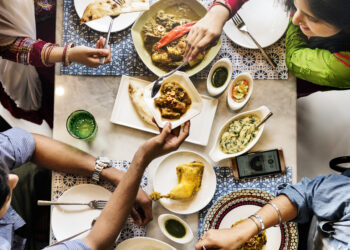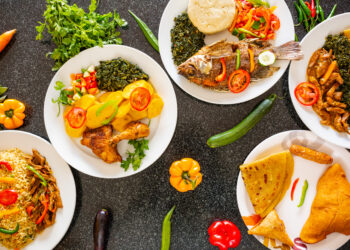

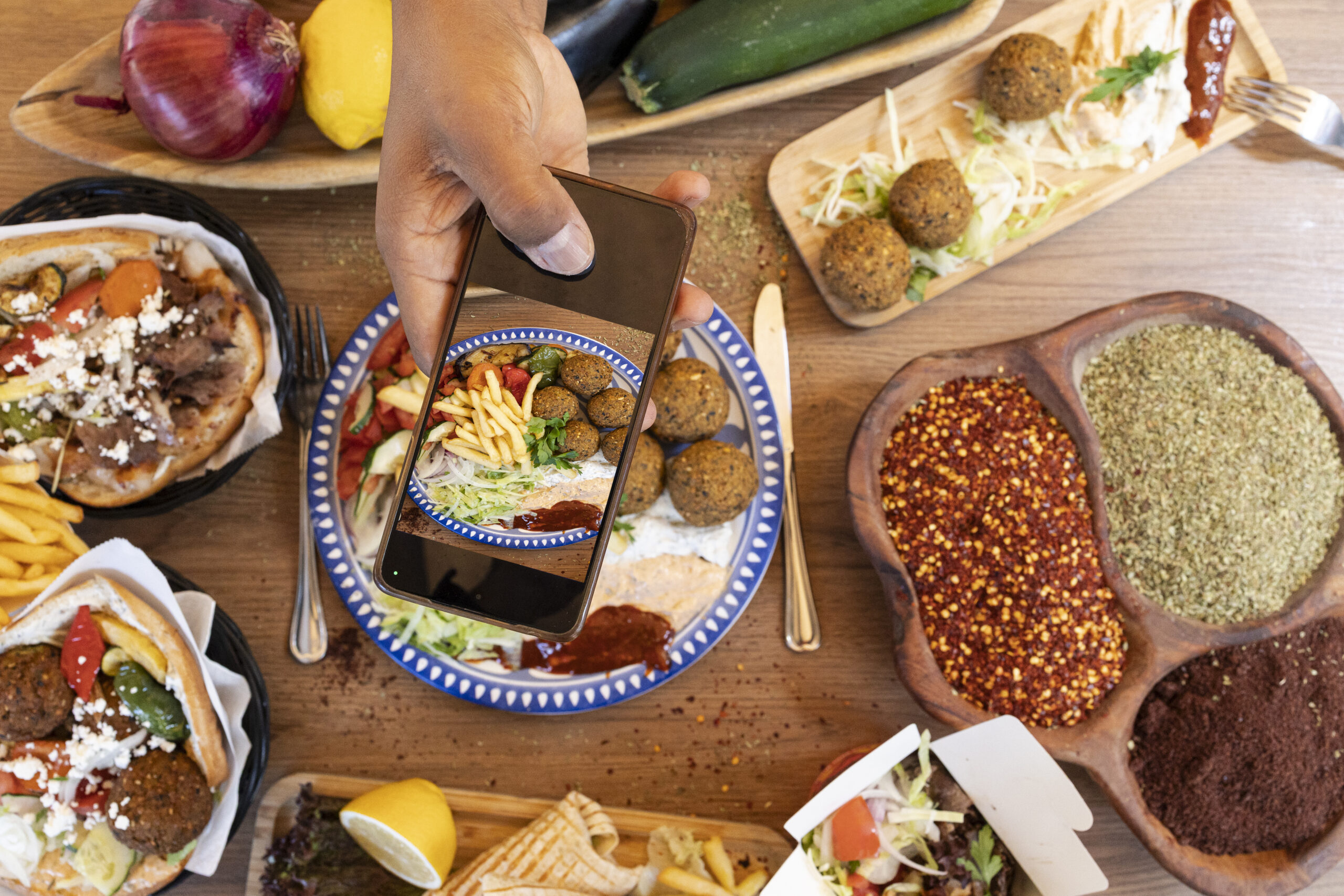
Plant-Based Eating Around the World has existed for centuries, long before oat milk appeared in trendy cafés or someone tried to convince you that cauliflower could somehow replace absolutely everything. While modern social media often presents plant-based diets as a fashionable wellness movement, many cultures have embraced vegetarian traditions and sustainable eating practices for generations through religion, agriculture, economics, and everyday survival.

Across India, the Caribbean, the Mediterranean, East Asia, Africa, and the Middle East, plant-based meals have long been woven into food culture in ways that are practical, flavourful, affordable, and deeply connected to cultural history. In fact, some of the world’s most celebrated dishes are naturally centred around vegetables, lentils, grains, beans, spices, and herbs rather than meat.
Today, as conversations around sustainability, climate change, food security, and health continue growing, people are rediscovering what many traditional cultures already understood: plant-based eating is not a passing trend. It is a global culinary tradition with deep roots and remarkable staying power.
Plant-Based Eating Is Older Than Modern Food Trends
The phrase “plant-based eating” may sound modern, but the concept itself is ancient.
For centuries, communities around the world relied heavily on:
- Lentils
- Beans
- Rice
- Vegetables
- Flatbreads
- Grains
- Fruits
- Herbs
- Fermented foods
This was often due to:
- Religious beliefs
- Economic realities
- Agricultural limitations
- Seasonal availability
- Environmental adaptation
In many regions, meat was historically expensive or reserved for special occasions. Plant-based meals became daily staples not because of social media wellness influencers, but because they were practical, nourishing, and sustainable.
Ironically, many modern food trends are simply rediscovering traditional eating habits that grandmothers quietly mastered decades ago.
India: One of the World’s Largest Vegetarian Traditions
No conversation about vegetarian traditions can begin anywhere other than India.
India has one of the world’s largest vegetarian populations, shaped heavily by Hinduism, Jainism, Buddhism, and regional cultural practices.
Traditional Indian cuisine includes countless plant-based dishes such as:
- Dal
- Chana masala
- Aloo gobi
- Rajma
- Baingan bharta
- Vegetable curries
- Idli
- Dosa
- Sambar
These dishes rely on spices, legumes, grains, and vegetables to create deeply satisfying meals without depending heavily on meat.
Indian food culture demonstrates that plant-based eating does not mean bland eating. Quite the opposite.
Turmeric, cumin, mustard seeds, curry leaves, coriander, ginger, garlic, tamarind, fenugreek, and chilli transform simple ingredients into layered, complex dishes full of flavour.
Frankly, after a proper bowl of chana masala, sad lettuce salads feel personally insulting.
Indo-Caribbean Cuisine and Plant-Based Heritage
Indo-Caribbean cuisine also contains rich vegetarian traditions rooted in Indian migration to the Caribbean during the colonial period.
Indentured labourers brought culinary techniques, spices, and vegetarian cooking practices from India, which blended beautifully with Caribbean ingredients and African influences.
Popular plant-based Indo-Caribbean dishes include:
- Channa and aloo
- Pumpkin curry
- Callaloo
- Baigan choka
- Dhal and rice
- Roti with vegetable fillings
- Coconut-based stews
These meals evolved through cultural adaptation and local agriculture, creating unique flavour combinations still celebrated today.
Plant-based cooking in Indo-Caribbean homes was never marketed as a lifestyle movement. It was simply everyday food culture built around affordability, nourishment, and flavour.
And honestly, a well-made dhal has comfort levels that most expensive restaurant meals could only dream about.
Mediterranean Diets and Sustainable Eating
The Mediterranean region offers another excellent example of long-standing plant-based traditions.
Countries such as Greece, Lebanon, Turkey, and parts of Italy traditionally relied on:
- Olive oil
- Chickpeas
- Lentils
- Tomatoes
- Grains
- Herbs
- Beans
- Seasonal vegetables
Meat often played a smaller supporting role rather than dominating the plate.
This style of eating is now widely praised for both health benefits and sustainability. Mediterranean food culture naturally embraces balance, seasonality, and local ingredients.
Classic dishes include:
- Hummus
- Falafel
- Stuffed vine leaves
- Lentil soup
- Ratatouille
- Bean stews
- Vegetable tagines
These meals prove that sustainable eating does not require sacrificing richness or satisfaction.
East Asian Plant-Based Traditions
Many East Asian cuisines also feature strong plant-based foundations.
In countries such as China, Japan, Korea, and Vietnam, vegetables, tofu, rice, noodles, seaweed, mushrooms, and fermented foods have long formed essential parts of daily meals.
Buddhist culinary traditions especially influenced vegetarian cooking across East Asia.
Popular plant-based dishes include:
- Tofu stir-fries
- Vegetable dumplings
- Miso soup
- Bibimbap
- Vegetable sushi
- Rice porridge
- Mushroom noodle soups
Tofu deserves special respect here. For centuries it has quietly carried entire cuisines while modern food marketing acts as though it was invented last Thursday.
East Asian food culture also highlights how plant-based eating often focuses on texture, umami, fermentation, and balance rather than imitation meat products.
African Cuisine and Plant-Based Staples
African cuisines contain extraordinary plant-based diversity that is often overlooked globally.
Staple ingredients across African regions include:
- Millet
- Sorghum
- Cassava
- Yams
- Beans
- Okra
- Groundnuts
- Leafy greens
Popular dishes may include:
- Bean stews
- Vegetable soups
- Peanut sauces
- Jollof rice
- Injera with lentils
- Spinach-based dishes
Many African food traditions rely heavily on local agriculture and seasonal produce, making them naturally aligned with sustainable eating principles.
These dishes also demonstrate how plant-based meals can be hearty, filling, and nutritionally balanced without requiring expensive speciality ingredients.
Why Plant-Based Eating Is Linked to Sustainability?
Modern interest in plant-based eating often focuses on environmental concerns.
Food production significantly affects:
- Carbon emissions
- Water usage
- Land use
- Deforestation
- Biodiversity
Plant-based meals generally require fewer environmental resources compared to large-scale meat production.
Traditional cultures unintentionally practised sustainable eating long before sustainability became a global discussion point.
Historically, people often:
- Ate seasonally
- Used local ingredients
- Minimised waste
- Cooked from scratch
- Relied on preserved foods
- Used every part of ingredients
Many modern sustainability movements are essentially returning to older food practices that prioritised efficiency and resourcefulness.
Religion and Vegetarian Traditions
Religion has shaped plant-based eating habits across countless cultures.
Hinduism
Many Hindus practise vegetarianism due to beliefs around non-violence and purity.
Jainism
Jain dietary traditions avoid harming living beings and often exclude root vegetables as well.
Buddhism
Many Buddhist communities encourage plant-based diets focused on compassion and mindfulness.
Christianity and Islam
Fasting periods within Christianity and Islam historically encouraged plant-based cooking during certain times of year.
Food culture and spirituality remain deeply connected in many societies, influencing not just ingredients but attitudes toward food itself.
Plant-Based Eating Before Refrigeration
Long before refrigeration existed, plant-based foods were often easier to preserve and store.
Dried beans, grains, lentils, spices, pickled vegetables, and fermented ingredients became essential survival foods.
These ingredients:
- Lasted longer
- Traveled well
- Fed large families affordably
- Required fewer resources
Many traditional plant-based recipes developed specifically because they were practical and resilient.
It turns out our ancestors were doing meal prep before meal prep had matching glass containers and motivational hashtags.
Why Traditional Plant-Based Foods Taste Good?
One reason traditional vegetarian dishes remain beloved is because they were built around flavour rather than restriction.
Modern diet culture sometimes frames plant-based eating as removing things:
- No meat
- No dairy
- No eggs
Traditional cuisines approach it differently. They focus on what can be added:
- Spices
- Herbs
- Fermented ingredients
- Roasting
- Slow cooking
- Layered seasoning
- Textural contrast
This creates meals that feel abundant rather than limiting.
A rich lentil curry, smoky baigan choka, or spicy chickpea stew is not pretending to be meat. It is proudly itself.
The Rise of Modern Plant-Based Trends
Today, plant-based eating has become increasingly mainstream globally.
Reasons include:
- Health awareness
- Climate concerns
- Animal welfare discussions
- Rising food costs
- Social media influence
Supermarkets now stock:
- Plant milks
- Vegan burgers
- Dairy-free desserts
- Meat alternatives
Restaurants increasingly offer vegetarian menus beyond token side salads.
While this increased visibility is positive, it sometimes overlooks the fact that plant-based food culture has existed globally for generations outside trendy Western wellness spaces.
The Problem with Treating Plant-Based Eating as “New”
There can sometimes be frustration when traditional vegetarian dishes are suddenly repackaged as modern discoveries.
Communities that have cooked lentils, beans, vegetables, and grains for centuries often watch global food trends “discover” ingredients their families have quietly perfected forever.
Hummus, dal, tofu, jackfruit, chickpeas, and turmeric all existed long before influencers added dramatic background music and called them revolutionary.
Cultural history matters when discussing food trends.
Sustainable Eating and Food Waste
Plant-based cooking traditions often encourage resourcefulness.
Vegetable scraps become stock. Leftovers become soups or curries. Lentils stretch meals affordably. Seasonal produce reduces waste.
These habits align naturally with modern sustainability goals.
Sustainable eating is not always about perfection. Often it is about small practical habits:
- Cooking more from scratch
- Reducing waste
- Eating seasonally
- Using affordable ingredients creatively
- Appreciating traditional food knowledge
Many cultural cooking traditions already provide excellent blueprints for this approach.
Family, Community, and Shared Meals
Plant-based meals are often deeply communal.
Large pots of rice, curries, stews, soups, and breads are designed to feed families and communities together.
In many cultures:
- Recipes are passed down generations
- Meals are shared collectively
- Cooking becomes social connection
Food culture is not only about nutrition. It is about identity, belonging, and memory.
A pot of dal simmering on the stove can carry history in ways recipe books alone never could.
The Future of Plant-Based Eating
Plant-based eating will likely continue growing globally, but its future may depend on balancing innovation with respect for cultural roots.
Modern food technology can absolutely play a role in sustainable eating. However, traditional cuisines still offer some of the most affordable, accessible, and flavourful plant-based solutions already available.
Instead of constantly inventing entirely new diets, there is value in learning from cultures that have practised balanced plant-based cooking for generations.
Traditional food knowledge remains one of humanity’s greatest culinary resources.
Plant-Based Eating Is About Addition, Not Limitation
Perhaps the biggest lesson from global vegetarian traditions is this: plant-based eating works best when it celebrates abundance.
Around the world, cultures have created extraordinary meals using:
- Lentils
- Beans
- Rice
- Vegetables
- Herbs
- Spices
- Grains
- Fermented ingredients
These dishes are colourful, comforting, affordable, and deeply satisfying.
They are not side dishes waiting for meat to arrive. They are complete culinary traditions in their own right.
Final Thoughts!
Plant-Based Eating Around the World is far more than a modern food trend. It is a reflection of centuries of cultural history, migration, religion, sustainability, agriculture, and everyday survival. From Indian dhal and Indo-Caribbean channa to Mediterranean hummus and East Asian tofu dishes, vegetarian traditions have shaped global food culture for generations.
As conversations around sustainable eating continue growing, many people are rediscovering what traditional cuisines already understood: plant-based meals can be nourishing, affordable, deeply flavourful, and environmentally practical all at once.
The future of food may feel modern, but in many ways, it also looks beautifully familiar. And whether you are enjoying curry, lentils, rice bowls, or vegetable stews, every delicious bite carries stories from cultures that mastered plant-based cooking long before it became fashionable.
Now pass the roti, embrace the veggies, and follow CurryBien for more flavour-packed journeys through Indo-Caribbean food culture and global culinary traditions.