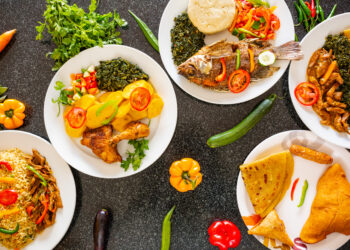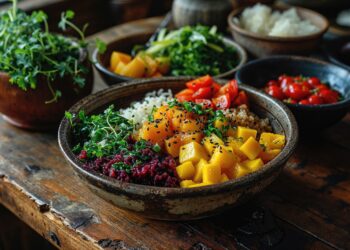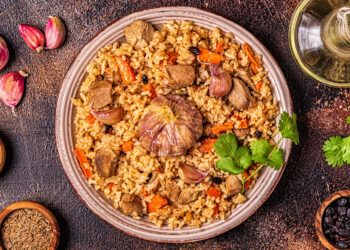

Caribbean curry vs Indian curry is not just a question of flavour; it is a story of migration, adaptation, spice evolution, and culinary creativity that spans oceans and centuries. At first glance, both curries may appear similar, golden hues, aromatic steam, comforting warmth, yet one spoonful quickly reveals they are distant cousins rather than twins. The difference is not accidental; it is shaped by geography, colonial history, spice blends, and cooking traditions that evolved independently over time. Understanding these contrasts does not diminish either cuisine, in fact, it deepens appreciation for both.
For food lovers, especially those in the UK exploring Indo-Caribbean culture, the comparison becomes even more fascinating. It is not about which curry is “better”; it is about why they taste different and how that difference reflects identity, heritage, and culinary ingenuity.
A Shared Root, A Divergent Journey
Indian curry has a history stretching back thousands of years, deeply tied to regional traditions, religious influences, and agricultural diversity. Caribbean curry, by contrast, was born from movement, specifically the migration of Indian indentured labourers to the Caribbean during the 19th century under British colonial rule. These communities carried spice knowledge with them but had to adapt to new environments, ingredients, and tastes.
The result? A culinary fusion. Caribbean curry did not simply replicate Indian dishes abroad; it transformed them. Local herbs, peppers, and available produce entered the pot, gradually forming a distinct identity. Over generations, this adaptation created a flavour profile that is bold, aromatic, and uniquely Caribbean while still echoing Indian roots.
The Spice Factor: Curry Powder Comparison
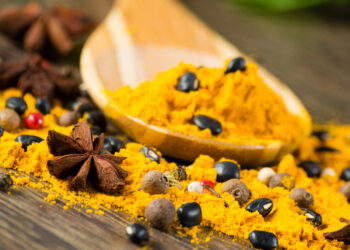
One of the biggest differences lies in the curry powder comparison itself. In India, curry is rarely made from a single premixed powder. Instead, spices are often ground fresh or combined in regional blends known as masalas. These can include cumin, coriander, turmeric, fenugreek, cardamom, cloves, and chilli, carefully balanced according to tradition.
Caribbean curry, however, frequently relies on a prepared curry powder blend that has its own personality. This powder often includes turmeric, cumin, coriander, mustard seeds, fenugreek, and sometimes fennel, but what truly sets it apart is the inclusion of allspice. Allspice, native to the Caribbean, adds a warm, slightly sweet, clove-like aroma that Indian curry rarely features. This single spice shifts the entire flavour profile from earthy to subtly sweet and fragrant.
Heat and Boldness: The Scotch Bonnet Influence
Another unmistakable difference is heat. Indian cuisine uses various chillies, but Caribbean curries often embrace the fiery scotch bonnet pepper. This small but mighty chilli brings intense heat along with fruity undertones. It is not merely about spice level; it introduces a tropical brightness that transforms the dish’s character.
In Indian curries, heat is commonly developed through the use of dried red chillies, fresh green chillies, or chilli powder, resulting in a flavour profile that is generally deeper and more earthy. Caribbean curries, by contrast, tend to present a sharper and more vibrant heat owing to the distinctive character of the scotch bonnet pepper. Rather than a gradual warmth, the sensation is often immediate and pronounced, delivering a lively intensity that defines the dish’s overall flavour.
Cooking Methods: Technique Makes the Taste
Cooking style also plays a significant role. Indian curries often involve a technique known as bhunao, where spices are fried in oil with onions, garlic, and ginger before liquids are added. The focus is on layering flavours gradually, building complexity over time.
Caribbean curry typically uses a method called “burning the curry,” where curry powder is lightly fried in oil at the start. This process releases the spices’ aroma and slightly toasts them, giving the dish a deeper, smokier base. The cooking tends to be more straightforward and rustic, often using fewer steps but producing equally rich flavours.
Ingredients and Produce: Climate Shapes Cuisine
Geography naturally influences ingredients. India’s vast regions offer an abundance of lentils, vegetables, dairy, and grains. Coconut milk is used in southern Indian curries but less so in northern regions.
Caribbean curries frequently incorporate coconut milk, tropical vegetables, and fresh herbs like thyme and culantro. The inclusion of root vegetables, plantains, and seafood reflects the island environment. These ingredients create lighter textures and brighter flavours compared to many traditional Indian curries, which may rely more heavily on cream, yoghurt, or tomato bases depending on the region.
Colonial History and Cultural Blending
The story of Caribbean curry cannot be told without acknowledging colonial history. When Indian labourers arrived in the Caribbean, they brought culinary knowledge but encountered limited access to traditional spices. They adapted by blending available ingredients, incorporating African, Indigenous, and European influences.
This blending produced dishes that were recognisably curry yet distinctly Caribbean. It also fostered innovation, a reminder that cuisine evolves when cultures meet. The resulting flavours represent resilience, creativity, and identity rather than mere imitation.
Aroma, Texture, and Colour
Indian curries often showcase layered aromas with varied textures, creamy gravies, thick lentil stews, or dry sautéed dishes. Colour varies widely from deep reds to rich browns and vibrant greens.
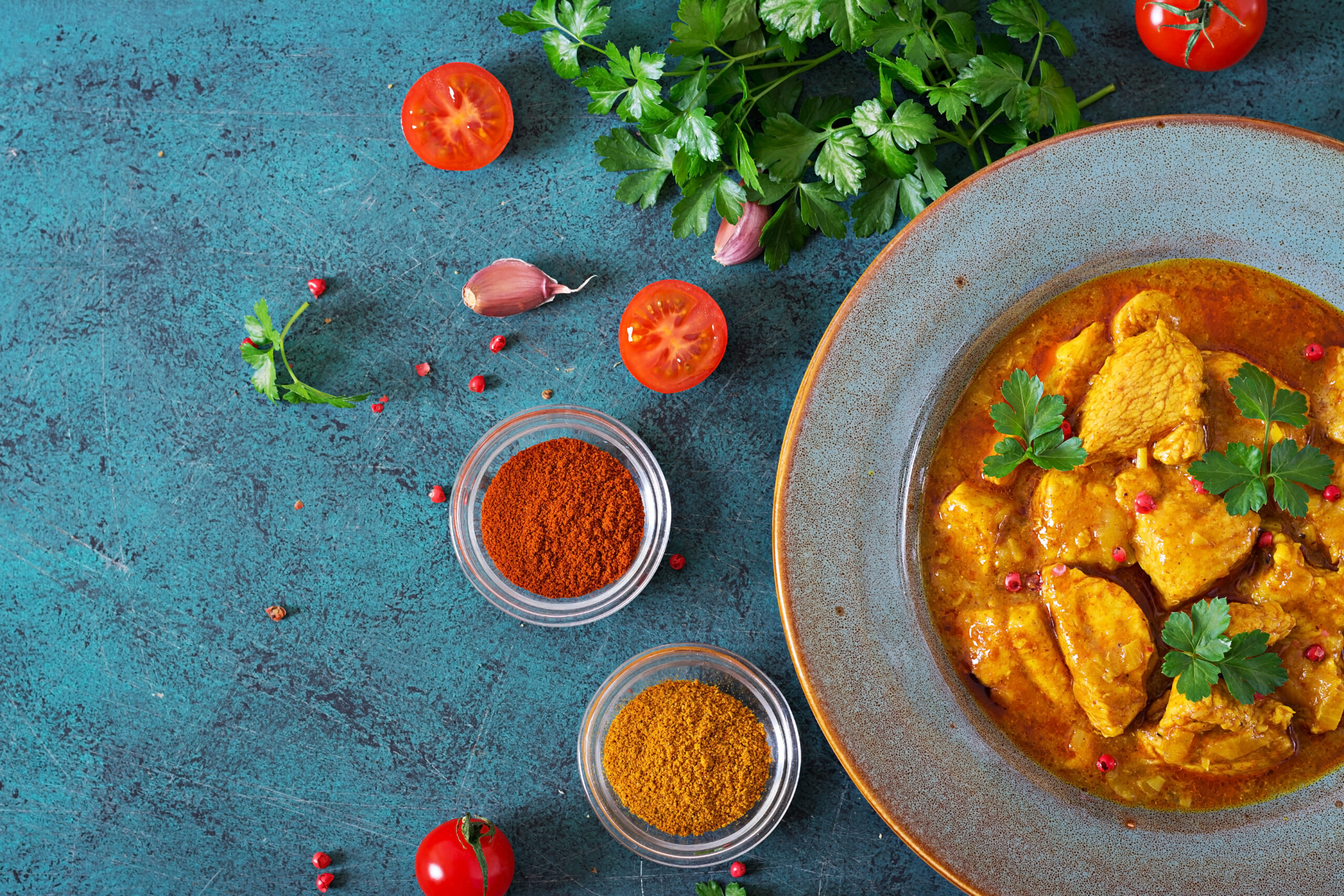
Caribbean curries are typically golden-yellow due to turmeric-heavy spice blends. The aroma tends to be sweeter and more aromatic thanks to allspice and herbs. Textures may lean toward lighter gravies, particularly when coconut milk is used. Visually, Caribbean curry often looks sunny and inviting, the edible equivalent of a beach postcard.
Why the Difference Matters?
Understanding why Caribbean curry differs in flavour from Indian curry is significant because cuisine functions as a form of cultural expression. These distinctions reflect histories of migration, adaptation, and communal identity. Appreciating both culinary traditions fosters greater respect for their origins while acknowledging the innovation that arises when recipes and techniques travel across regions and generations.
For UK audiences, particularly those engaging with Indo-Caribbean heritage, recognising these nuances enhances culinary appreciation and broadens cultural awareness. It shifts the discourse beyond simplistic “spicy food” stereotypes and instead underscores the diversity and depth of global cooking traditions. Furthermore, it may encourage home cooks to experiment thoughtfully, for example, by undertaking a curry powder comparison or introducing elements such as allspice or scotch bonnet in measured quantities.
A Celebration, Not a Competition!
Ultimately, Caribbean curry vs Indian curry is not a rivalry; it is a celebration of diversity within a shared culinary lineage. Both cuisines offer comfort, warmth, and vibrant flavour. Their differences are not flaws but features, reminders that recipes evolve as people move and cultures blend.

Whether you prefer the layered depth of an Indian masala or the bright punch of a Caribbean curry, you are tasting history in every bite. And perhaps that is what makes curry universally loved: it is endlessly adaptable, yet always comforting.
So next time someone asks why Caribbean curry tastes different from Indian curry, you can smile knowingly and say it is because spices travel, cultures blend, and flavour refuses to stay still, and if you enjoyed this exploration, do follow CurryBien for more delicious cultural journeys.