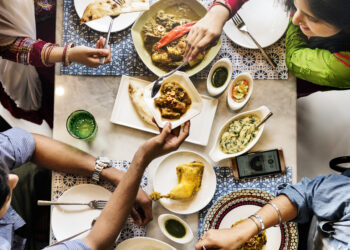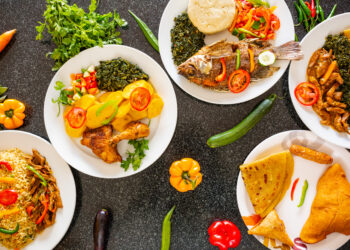

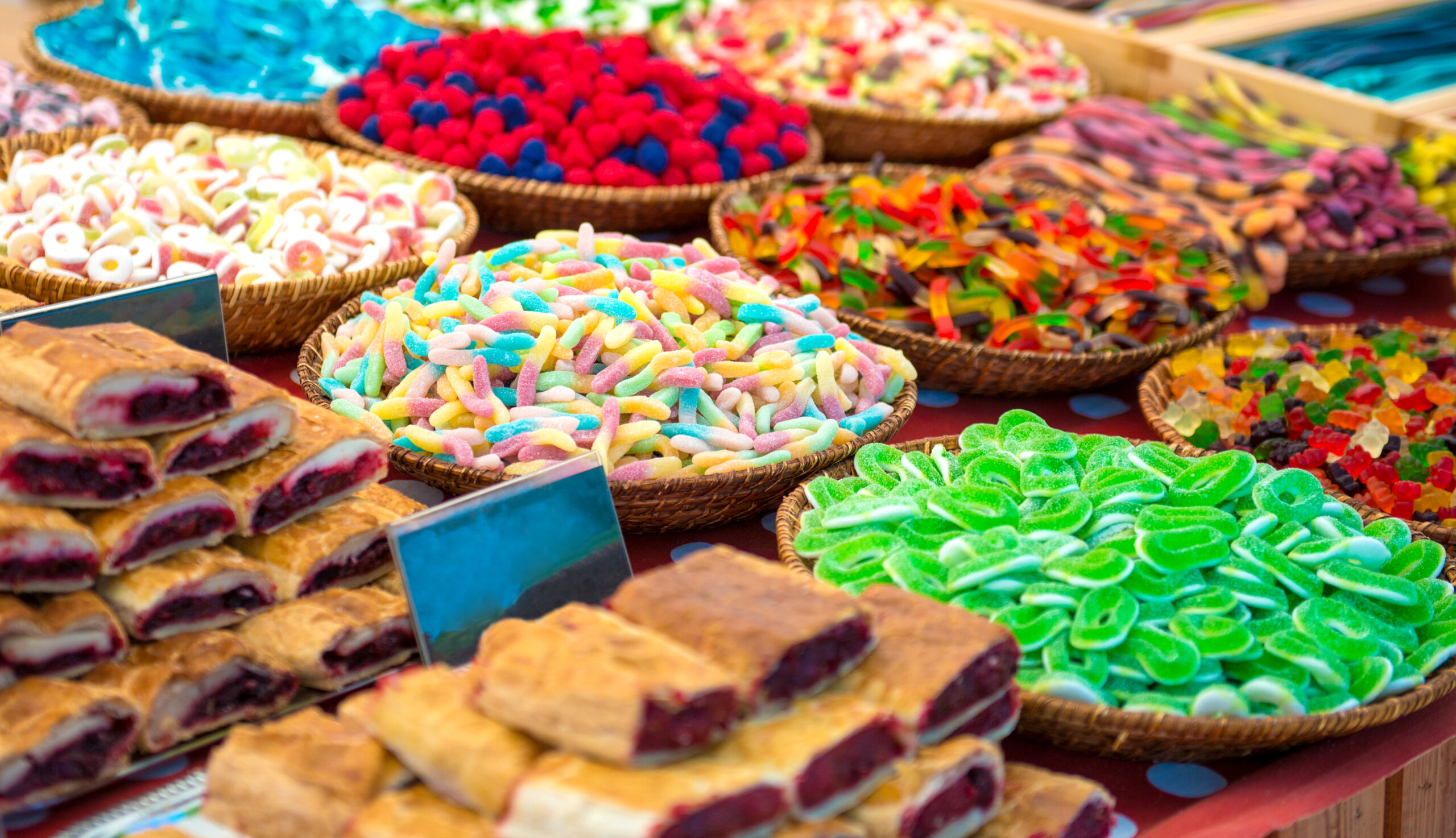
Festival Foods That Define Caribbean Carnival are more than just dishes served on a plate, they are edible rhythms, colourful traditions, and joyful bites that dance just as freely as the masqueraders in feathers and sequins. From sunrise street parades to midnight soca beats, Carnival cuisine carries the heartbeat of the Caribbean in every spicy spoonful and sugary crumble.

Caribbean Carnival is not merely a celebration; it is a sensory explosion of music, movement, colour, and most importantly, flavour. While costumes sparkle and steel pans echo through the streets, the true unsung hero of Carnival often lies simmering in a pot nearby or wrapped neatly in brown paper by a roadside vendor. Food at Carnival is not an afterthought. It is a cultural anchor, a communal experience, and sometimes the only reason people take a break from dancing. (Yes, even the most dedicated masquerader needs a snack.)
When discussing Trinidad carnival dishes, sweet treats, festival snacks, one quickly realises that Carnival menus are as vibrant as the costumes themselves. Trinidad, often considered the epicentre of Caribbean Carnival culture, has given the world an impressive culinary line-up that blends African, Indian, European, and Indigenous influences into something entirely unique, and entirely delicious.
The Street Food Symphony of Carnival
Carnival food is designed for movement. Nobody wants to sit down for a three-course meal when the parade is passing by and the bassline is calling. Instead, the streets become open-air kitchens where portable, flavour-packed dishes reign supreme.
Doubles – The Legendary Two-Handed Hero
If Carnival had an official breakfast, doubles would win by a landslide. Soft bara (fried flatbread) filled with curried channa, tamarind sauce, pepper sauce, and a sprinkle of cucumber chutney, it’s messy, magnificent, and best eaten standing up while debating whether you can handle “slight pepper” (which, in Trinidad, rarely means slight). Doubles are not just food; they are a rite of passage.
Bake and Shark – Beachside Royalty
Often enjoyed near coastal celebrations, bake and shark is a fluffy fried bread stuffed with seasoned fried shark and topped with a mountain of condiments. Garlic sauce, pineapple chutney, lettuce, pepper sauce, the choices are endless. During Carnival season, queues for bake and shark stalls are almost as lively as the music trucks.
Aloo Pie – Golden Comfort
Aloo pies are deep-fried pastries filled with seasoned mashed potatoes and are often served with channa and a selection of chutneys. They are economical, satisfying, and notably popular among festival attendees. It is not uncommon for Carnival visitors to intend to purchase only one, yet find themselves returning for additional servings.
Main Plates That Fuel the Festivities
While street snacks dominate daytime celebrations, larger dishes often appear at community gatherings, post-parade feasts, or late-night recovery meals.
Pelau – The One-Pot Wonder
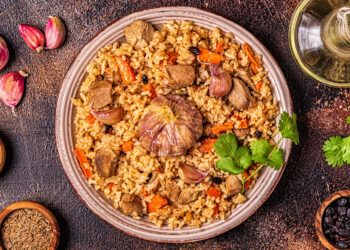
Pelau is a comforting blend of rice, pigeon peas, coconut milk, caramelised sugar, and meat (usually chicken or beef). It is hearty, aromatic, and perfect for feeding large groups. Pelau embodies the communal spirit of Carnival, one pot, many spoons, zero complaints.
Callaloo – A Green Powerhouse
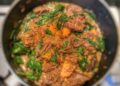
Callaloo is a creamy stew made from leafy greens, coconut milk, okra, pumpkin, and spices. Served alongside rice or bread, it provides a nutritious counterbalance to the indulgent sweets and fried snacks. It is Carnival’s gentle reminder that vegetables do exist.
Curry Crab and Dumplings
A beloved Trinidad carnival dish, curry crab and dumplings is rich, spicy, and gloriously messy. It demands both hands and absolutely no concern for appearances. Eating this dish gracefully is nearly impossible, but that is part of its charm.
Sinful Sweets That Steal the Spotlight
Carnival is not complete without desserts and sugary bites that fuel endless dancing. The sweet treats are bold, nostalgic, and often homemade with family recipes passed down through generations.
Tamarind Balls – Sweet, Sour, and Sticky
Tamarind balls combine tangy tamarind pulp with sugar and spices, rolled into bite-sized spheres of joy. They are chewy, punchy, and oddly refreshing in the Caribbean heat. One ball leads to another, and suddenly the bag is empty. A mystery that repeats itself annually.
Coconut Drops – Crunchy Island Bliss
Made with grated coconut, ginger, sugar, and spices, coconut drops offer a satisfying crunch with a warm, gingery finish. They are festival snacks that travel well, making them perfect parade companions.
Kurma – Sweet Spirals of Happiness
With Indian roots and Caribbean flair, kurma consists of fried dough sticks glazed in sugary syrup. Crunchy, glossy, and delightfully addictive, kurma often appears at Carnival markets and family gatherings alike.
Sugar Cake – Colourful Nostalgia
Sugar cake is a bright, crumbly coconut sweet that looks almost too cheerful to eat. Almost. Its pastel colours and melt-in-the-mouth texture make it a Carnival staple for both children and adults who claim they are “just buying it for the kids.”
Drinks That Keep the Rhythm Flowing
While food provides the foundation of Carnival celebrations, beverages play an equally important role in sustaining energy and refreshment throughout the festivities.
Sorrel Drink – A deep ruby-coloured hibiscus beverage infused with cloves and cinnamon, offering a fragrant and refreshing taste.
Mauby – A traditional bittersweet herbal drink that is widely appreciated by enthusiasts and politely sampled by newcomers.
Coconut Water – A naturally hydrating refreshment served fresh from the coconut, valued for its light and revitalising qualities.
Rum Punch – A classic festive drink whose presence is often considered synonymous with the lively spirit of Carnival.
The Cultural Meaning Behind Carnival Cuisine
Carnival foods are deeply tied to heritage. Every dish tells a story of migration, adaptation, and creativity. African cooking techniques, Indian spices, European baking methods, and Indigenous ingredients blend into a culinary language that defines the Caribbean identity. Food becomes a bridge between generations, grandparents teaching grandchildren how much pepper is “just enough,” families debating the perfect pelau ratio, and communities gathering around shared pots.
This is why Trinidad carnival dishes, sweet treats, festival snacks hold such emotional weight. They are edible memories, edible pride, and edible celebration rolled into one.
Carnival in the UK – A Taste of Home Away from Home
For Caribbean communities in the UK, Carnival food plays an even more significant role. Events such as Notting Hill Carnival transform London streets into vibrant cultural showcases where doubles stalls, jerk grills, and sweet treat vendors recreate the island experience thousands of miles away. The aromas alone can transport attendees straight to Port of Spain without the need for a boarding pass.
UK-based Caribbean families often prepare traditional dishes at home during Carnival season, ensuring cultural continuity while introducing new generations to the flavours that define their heritage.
Why Festival Foods Matter Beyond the Party?
Beyond enjoyment, Carnival cuisine supports local businesses, preserves culinary traditions, and fosters community spirit. Vendors, home cooks, and small food enterprises rely on festival seasons to showcase their craft and share their culture. Each purchase becomes an act of cultural appreciation and economic support.
Food also acts as a universal language. Even those unfamiliar with Caribbean culture find themselves instantly welcomed through flavour. One bite of a warm aloo pie or one sip of sorrel can open doors to conversations, friendships, and newfound appreciation.
The Ever-Evolving Carnival Menu
While traditional dishes remain beloved, modern Carnival cuisine continues to evolve. Vegan doubles, gluten-free bakes, fusion desserts, and gourmet twists on classics are becoming increasingly popular. Innovation keeps the food scene exciting while honouring its roots. Carnival menus prove that tradition and creativity can dance together just as effortlessly as revellers on the road.
Caribbean Carnival is a celebration where music meets movement, culture meets creativity, and flavour meets festivity in the most spectacular fashion. From savoury street bites to indulgent sweets, every dish contributes to an atmosphere of joy and unity. These festival foods are not simply meals; they are symbols of identity, resilience, and shared happiness that transcend borders and generations. And if reading about them has made you crave a doubles run or a coconut drop or three, you are already part of the celebration, now go feed that curiosity and follow currybein.