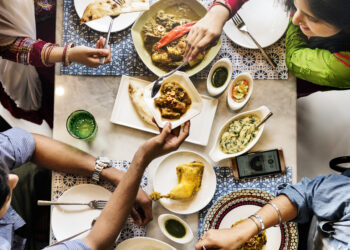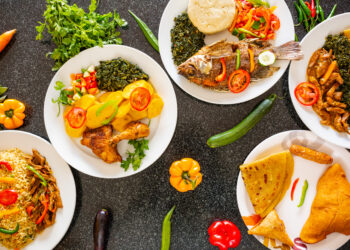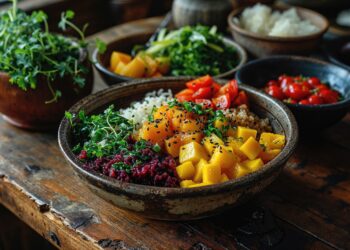

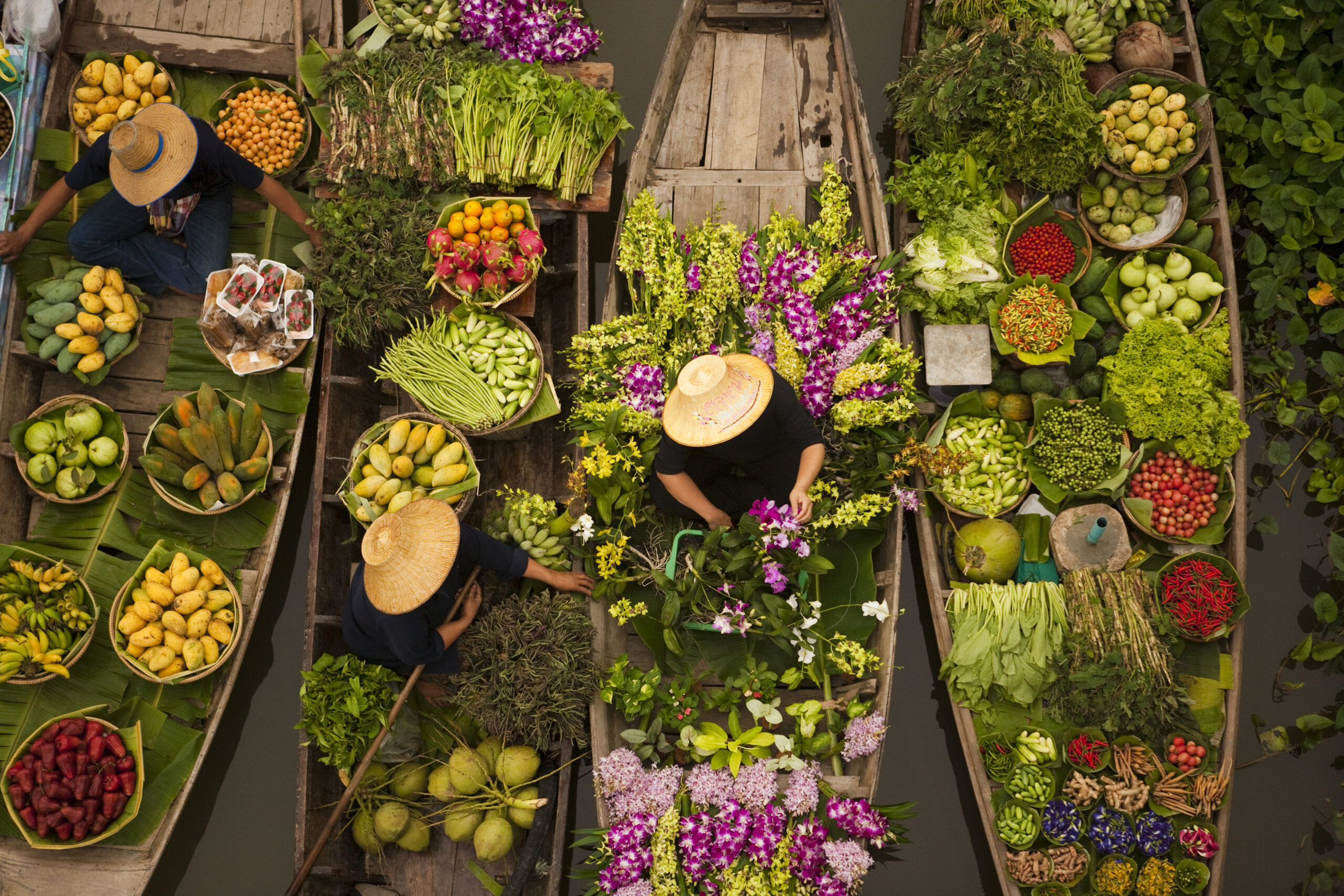
From Sugar Estates to Street Markets, the phrase itself feels like a passage through time, a walk across centuries where aromas replace dates and flavours act as storytellers. It hints at journeys carried not only by ships and contracts but by spices tucked into cloth bundles, seeds carried across oceans, and recipes whispered from one generation to the next. It evokes the transformation of necessity into creativity, of survival into celebration, and of humble kitchens into vibrant public spaces filled with colour, chatter, and irresistible smells. The journey is not merely geographical; it is cultural, emotional, and deeply culinary, revealing how food can serve as both memory and identity.

A Culinary Map Written in Spice
The Indo-Caribbean story begins in the 19th century, when people from India arrived in Caribbean territories such as Trinidad, Guyana, and Suriname. They brought with them more than clothing and personal belongings, they carried cooking techniques, seeds, and culinary traditions that would slowly adapt to tropical soil and new ingredients. What began as plantation foodways gradually evolved into a dynamic Caribbean street food culture, blending Indian methods with African, Indigenous, and European influences.
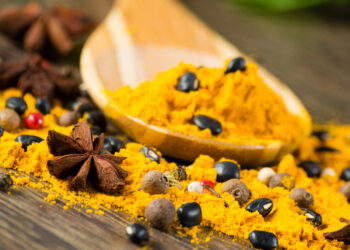
On sugar estates, meals were often simple and practical. Rice, lentils, root vegetables, and whatever spices could be cultivated or traded became staples. Yet even in hardship, flavour was never abandoned. Turmeric coloured dishes bright yellow, cumin added warmth, and chilli provided both heat and comfort. These flavours would later escape plantation kitchens and find new life in open-air markets and roadside stalls.
Markets as Living Museums
Walking through Indo-Caribbean markets today feels like stepping into a sensory exhibition where every stall tells a story. The markets are not silent archives; they are alive with bargaining voices, sizzling pans, and the rhythmic chopping of herbs. Vendors proudly display stacks of roti skins, baskets of green mangoes, bundles of chadon beni, and trays of freshly fried bakes. The air carries the scent of curry, tamarind, and roasted cumin, a fragrance that could easily double as an unofficial national anthem.
Markets serve as social hubs where communities gather, exchange news, and maintain traditions. They also act as bridges between generations. Grandparents introduce grandchildren to the taste of homemade achar, while younger vendors experiment with fusion flavours. This lively exchange ensures that Caribbean food history is not locked in textbooks but continually evolving on the streets.
Trinidad: Doubles and Dawn Rituals
In Trinidad, street food is practically a sunrise ceremony. One cannot speak of Trinidadian markets without mentioning doubles, two soft bara breads filled with curried channa, topped with chutneys ranging from sweet tamarind to fiery pepper sauce. Doubles stalls often open early, attracting lines of customers who understand that the best flavours are sometimes served before breakfast officially begins.
Roti shops are equally iconic. The act of watching a vendor roll, fill, and wrap roti is performance art disguised as lunch preparation. Each fold is precise, each ingredient measured by instinct rather than scale. The roti becomes more than a meal; it becomes a portable heritage parcel. In the broader landscape of food travel Caribbean, Trinidad stands out as a destination where culinary experiences feel both casual and ceremonial, casual in setting, ceremonial in significance.
Guyana: Riverbanks and Rural Flavours
Guyana offers a different yet equally compelling narrative. Here, rural traditions remain strong, and many dishes still reflect plantation-era simplicity enhanced by creativity. Cassava bread, pepperpot, and homemade sweets appear alongside Indian-inspired curries and rotis. Street vendors set up near riverbanks or busy town centres, turning ordinary corners into aromatic meeting points.
Guyana’s Caribbean street food culture often highlights resourcefulness. Ingredients are locally sourced, seasonal, and deeply connected to the land. Coconut milk, plantains, and fresh herbs frequently appear in both savoury and sweet dishes. There is a certain quiet pride in these preparations, food that speaks softly but leaves a lasting impression, much like a well-told family anecdote.
Suriname: A Cultural Mosaic on a Plate
Suriname perhaps best illustrates how migration can shape cuisine into a vibrant mosaic. Influences from India, Indonesia, Africa, and the Netherlands converge in markets filled with colourful ingredients and inventive dishes. Street stalls might serve roti alongside Javanese noodles or Dutch-style pastries, reflecting a multicultural harmony that feels both natural and celebratory.
In Suriname’s bustling marketplaces, food is not categorised by origin but by flavour. The result is a culinary landscape that feels refreshingly inclusive. For travellers pursuing food travel Caribbean, Suriname offers a chance to witness how culinary borders dissolve when communities coexist and exchange traditions freely.
From Survival to Celebration
What makes this journey remarkable is the transformation of food from survival necessity into cultural celebration. Plantation meals were often about sustenance; modern street foods are about identity and joy. Yet the thread connecting them remains unbroken. The same spices once used to preserve flavour during scarcity now enhance festive dishes served at markets and festivals.
This evolution demonstrates how Caribbean food history is not merely a timeline of recipes but a narrative of resilience. Every bite carries echoes of migration, adaptation, and creativity. The street market becomes a stage where history is re-enacted daily, only now the applause comes in the form of satisfied smiles and repeat customers.
UK Diaspora Connections
For readers in the United Kingdom, particularly those exploring Indo-Caribbean heritage, these culinary traditions may feel both distant and familiar. Ingredients such as curry powder, allspice, tamarind paste, and scotch bonnet peppers are increasingly available in British supermarkets and South Asian grocery stores. Recognising these flavours can transform a simple meal into a cultural reconnection.
UK travellers interested in food travel Caribbean often discover that the flavours encountered abroad mirror dishes enjoyed at home in diaspora communities. A roti purchased in London might carry the same comforting warmth as one bought in Port of Spain. The difference lies not in taste alone but in the surrounding atmosphere, the tropical breeze replaced by city bustle, the steel pan rhythms replaced by underground train announcements. Yet the essence remains unmistakably linked.
Street Food as Identity
Street food across the Indo-Caribbean islands operates as a visible expression of cultural identity. Vendors are not simply food preparers; they act as custodians of culinary heritage and tradition. Every doubles stall, bake vendor, and roti shop contributes to a shared cultural memory that extends beyond national and geographic boundaries. The dishes offered are typically affordable, widely accessible, and imbued with deep cultural significance, a combination that sustains their enduring relevance within both local communities and the diaspora.
Humour also holds a recognised place within this culinary culture. Pepper sauces are frequently presented with light-hearted cautionary labels, while amicable debates over who produces the finest roti can easily outlast the meal itself. These moments of gentle levity bring warmth and personality to the food landscape, underscoring that dining within this context is not solely about taste, but equally about community, interaction, and shared enjoyment.
The Future of Indo-Caribbean Markets
Modern influences continue to shape Indo-Caribbean markets. Social media, tourism, and global culinary trends introduce new ideas while traditional recipes remain steadfast. Fusion dishes appear beside classics, and younger chefs experiment without abandoning roots. The result is a culinary ecosystem that evolves without losing its historical core.
Sustainability and local sourcing are also gaining importance. Farmers’ markets emphasise fresh produce, while vendors highlight homemade preparations. This renewed focus on authenticity ensures that the journey from sugar estates to street markets remains grounded in both tradition and innovation.
A Journey Worth Tasting
Exploring the Indo-Caribbean islands through food offers more than gastronomic pleasure; it provides cultural insight, historical understanding, and a sense of connection that transcends geography. The markets, stalls, and roadside kitchens reveal how migration shaped cuisine into a living narrative. They show how humble beginnings can blossom into vibrant traditions, and how flavour can become a universal language understood without translation.
For travellers, historians, and home cooks alike, this culinary journey is an invitation to taste history rather than merely read about it. Whether sampling doubles at dawn in Trinidad, enjoying cassava bread by a Guyanese riverbank, or wandering through Suriname’s colourful markets, each experience adds a chapter to the ever-evolving story of Caribbean street food culture and Caribbean food history. And for those discovering these flavours from afar, the journey can begin in a local kitchen, a neighbourhood market, or a diaspora food festival, proof that heritage travels remarkably well when packed with spice.
Follow Currybein for more stories.