
Culantro vs Cilantro is one of those deliciously confusing kitchen debates that refuses to stay quiet in Caribbean cooking circles. At first glance, the two herbs seem like cousins who simply chose different hairstyles. Yet anyone who has grown up around Indo-Caribbean kitchens knows there is nothing interchangeable about them. One is delicate and familiar to many UK cooks, while the other is bold, punchy, and quietly responsible for some of the most memorable flavours in Caribbean food. If you have ever wondered why Caribbean cooks insist on using what looks like the “wrong” herb, you are about to discover the aromatic truth.

In this ingredient spotlight, we will unpack the real differences between culantro and cilantro, explore why green seasoning herbs often favour one over the other, and help UK home cooks confidently choose the right herb for their dishes. Spoiler alert: Caribbean grandmothers knew exactly what they were doing all along.
The Name Game: Why Everyone Gets Confused?
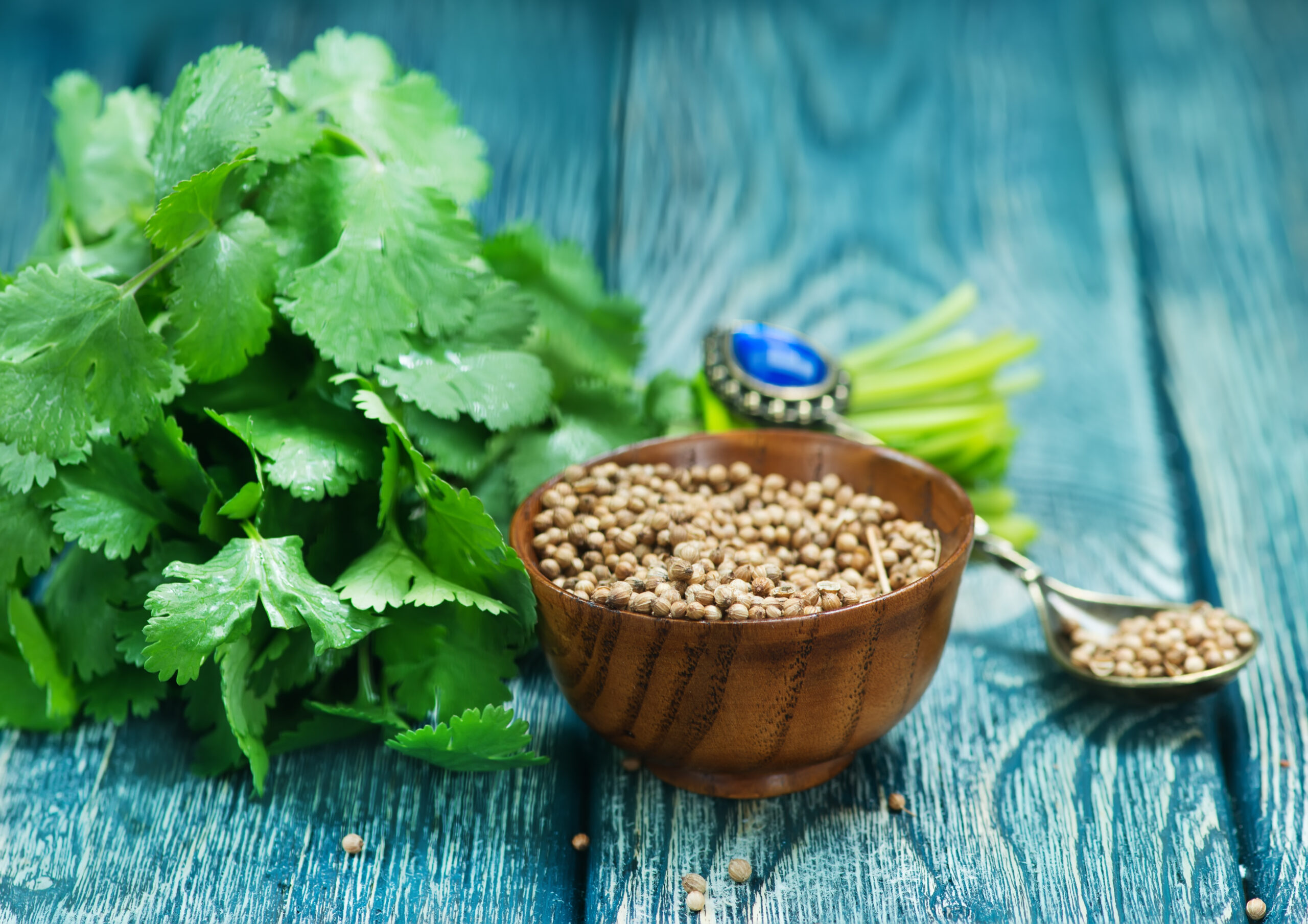
The confusion begins, quite simply, with the names. Cilantro is the leafy part of the coriander plant that most UK supermarkets stock without much fanfare. Culantro, on the other hand, looks completely different, long, serrated leaves rather than soft, feathery sprigs, yet carries a remarkably similar aroma.
Because the names sound nearly identical, many assume culantro is simply a misspelling or regional nickname. In reality, they are entirely different plants. Cilantro belongs to the coriander family most familiar to European and Asian cuisines, while culantro thrives in tropical climates and is deeply rooted in Caribbean and Latin American cooking traditions.
In Indo-Caribbean households, however, culantro is often affectionately called “shadow beni” or simply treated as the superior herb for seasoning. To outsiders, this can seem like cooks are choosing the wrong ingredient. To insiders, it is culinary common sense.
What Exactly Is Cilantro?
Cilantro is the tender green leaf of the coriander plant, widely used in British, Indian, Middle Eastern, and Mexican cooking. It has a fresh, citrusy brightness that works beautifully in chutneys, salsas, and garnishes.
Its strengths include:
- Light, fresh flavour
- Widely available in UK supermarkets
- Quick to chop and sprinkle
- Works well as a finishing herb
However, cilantro’s delicate nature is also its limitation. When exposed to long cooking times or heavy seasoning, its flavour can fade faster than biscuits at a family tea.
Meet Culantro: The Caribbean Powerhouse
Culantro, despite the similar name, is a far more robust herb. With its long, saw-toothed leaves and intense aroma, it brings a deeper, more earthy punch to dishes. This is precisely why it is beloved across Trinidad, Guyana, and other Caribbean kitchens.
Key characteristics of culantro include:
- Much stronger flavour than cilantro
- Excellent heat resistance during cooking
- Deep, savoury herbal notes
- Essential for authentic green seasoning herbs
In many Caribbean recipes, culantro is not just an optional herb — it is the backbone of flavour. Remove it, and something quietly important goes missing.
Why Caribbean Cooks Choose Culantro Over Cilantro?
Why, then, do Caribbean cooks consistently favour what may appear to be the “wrong” herb?
The answer lies in their pursuit of flavour depth rather than mere visual freshness.
Traditional Indo-Caribbean cooking frequently involves slow simmering, extended marination, and the careful layering of spices. Under these conditions, cilantro’s delicate profile can diminish significantly. Culantro, by contrast, retains its intensity and structure, making it far better suited to the demands of these cooking methods.
For this reason, experienced Caribbean cooks routinely reach for culantro first, recognising its superior ability to deliver robust, lasting flavour.
1. It Holds Up in Heat
Green seasoning, the aromatic base of many Caribbean dishes, is often cooked into curries, stews, and marinades. Culantro retains its flavour even after prolonged cooking, while cilantro tends to mellow quickly.
2. It Delivers Boldness
Caribbean cuisine is not shy. Between Scotch bonnet peppers, garlic, thyme, and onion, the herb component must carry weight. Culantro brings that confidence.
3. It Blends Beautifully
When blitzed into green seasoning herbs, culantro integrates smoothly with other aromatics, creating that unmistakable Caribbean fragrance that wafts through the kitchen before anyone even asks what’s cooking.
Cilantro Substitute or Culinary Upgrade?
In the UK, many home cooks initially treat culantro as a cilantro substitute simply because it is harder to find. While this works in a pinch, seasoned Caribbean cooks might gently suggest thinking of it the other way around.
Cilantro can substitute for culantro in emergencies, but the flavour profile will be lighter and less complex. To compensate, some cooks increase the quantity of cilantro or combine it with parsley and extra garlic to mimic culantro’s depth.
If you cannot find culantro locally, try these workarounds:
- Use double the amount of cilantro
- Add flat-leaf parsley for body
- Include extra garlic or chives
- Finish with fresh herbs at the end
It will not be identical, but it will certainly be respectable.
The Star Role of Green Seasoning Herbs
No discussion of culantro vs cilantro would be complete without mentioning green seasoning, the heart of Indo-Caribbean cooking.
Green seasoning is a vibrant blend of herbs, aromatics, and spices used to marinate meats, flavour curries, and build depth in countless dishes. While recipes vary by family and island, culantro frequently plays a starring role.
A typical green seasoning herbs blend may include:
- Culantro (shadow beni)
- Spring onions
- Garlic
- Thyme
- Parsley
- Scotch bonnet pepper
- Onion
- Sometimes cilantro for brightness
The result is intensely fragrant and unmistakably Caribbean. When culantro is used, the seasoning carries a deeper, more rounded flavour that holds up beautifully during cooking.
Availability in the UK: The Treasure Hunt
One reason cilantro still dominates UK kitchens is simple availability. You can find it in nearly every supermarket from London to Leeds. Culantro, however, requires a bit more detective work.
Your best chances of finding culantro include:
- Caribbean grocery shops
- Indo-Caribbean markets
- Some Asian supermarkets
- Online speciality herb suppliers
- Growing it at home
The good news is that demand is slowly rising as more UK cooks explore authentic Caribbean flavours. What once required a small expedition now often just requires knowing where to look.
Growing Culantro at Home
For enthusiastic cooks, growing culantro at home can be surprisingly rewarding. While it prefers warm climates, it can thrive indoors or in sheltered UK gardens with the right care.
Quick growing tips:
- Prefers partial shade
- Needs moist, well-drained soil
- Grows well in pots
- Harvest outer leaves regularly
- Protect from frost
A small pot of culantro on your windowsill can quietly transform your cooking game, and possibly impress visiting relatives who know their seasoning.
When Cilantro Still Shines?
Despite all the praise for culantro, cilantro absolutely still has its place in the kitchen. Its fresh, citrusy brightness works wonderfully in dishes where a lighter herbal note is desired.
Cilantro works best for:
- Fresh chutneys
- Salsas
- Garnishes
- Light salads
- Finishing touches on curries
Think of cilantro as the fresh confetti and culantro as the deep bassline. Both have their moment, it simply depends on the dish.
Common Mistakes UK Cooks Make
When first experimenting with Caribbean recipes, many UK home cooks make a few predictable missteps.
1. Using Too Little Herb
Because culantro is stronger, recipes often use it generously. Substituting a small amount of cilantro can leave dishes tasting unexpectedly flat.
2. Adding Herbs Too Late
Green seasoning herbs are often cooked into the dish, not merely sprinkled on top. Timing matters.
3. Ignoring Texture
Culantro’s sturdy leaves blend differently from cilantro’s delicate fronds. Adjust chopping or blending techniques accordingly.
Fortunately, these are easy mistakes to fix once you know what to look for.
The Future of Caribbean Herbs in UK Kitchens
As Caribbean cuisine continues to gain well-deserved attention across the UK, ingredients like culantro are stepping into the spotlight. More home cooks are seeking authenticity, and more retailers are responding to demand.
Food trends suggest that:
- Green seasoning herbs will become more mainstream
- Culantro availability in the UK will continue to improve
- Home cooks will increasingly experiment with bold herb blends
- Indo-Caribbean flavours will keep influencing modern British cooking
In short, the herb once mistaken for the “wrong one” is quietly becoming the insider’s choice.
Final Thoughts: It Was Never the Wrong Herb!
The debate around Culantro vs Cilantro ultimately reveals something charming about Caribbean cooking culture. What may look unusual from the outside is often rooted in generations of practical kitchen wisdom.
Culantro was never the wrong choice, it was simply the bold one.
For UK home cooks exploring Indo-Caribbean cuisine, understanding the difference between these two herbs unlocks deeper flavour, more authentic green seasoning herbs, and a greater appreciation for the culinary traditions that shaped these dishes.
So next time you reach for cilantro, pause for a moment. If you can find culantro instead, your curry, stew, or marinade may quietly thank you.
And if you enjoy flavour journeys like this one, don’t forget to follow CurryBien, we promise to keep the spice stories coming with a wink and a whisk.