
Pepper Sauce in Caribbean Homes is not just a condiment sitting quietly in the fridge door. It is a cultural statement, a kitchen essential, and sometimes even a small test of bravery for unsuspecting guests. In many Caribbean households, the question isn’t whether there is pepper sauce in the house, it is how many bottles there are and who made them. For generations, families across the Caribbean have treated homemade hot sauce almost like a family heirloom, passed down through recipes, tweaks, and a great deal of enthusiastic debate.

Across the islands and within the global diaspora, Caribbean condiments are famous for their boldness, and pepper sauce leads the pack. A good bottle can transform a simple plate of rice and beans into something spectacular, and for many Caribbean families, no meal truly begins until someone reaches for the sauce.
The Cultural Role of Pepper Sauce
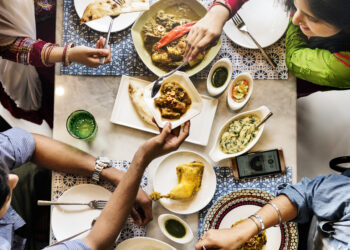
If you ever visit a Caribbean home, you may notice something curious: pepper sauce tends to appear everywhere. It is on the dining table, near the stove, in the fridge, and occasionally tucked away in someone’s bag “just in case”.
This is because pepper sauce is deeply woven into Caribbean food culture. Meals are often built around vibrant seasoning, and sauces provide the final layer of flavour. From Trinidad and Tobago to Jamaica, Guyana to Barbados, people take pride in their hot sauces.
The humour surrounding spice is part of the charm. In many homes, heat tolerance is treated like a personality trait. Someone who pours generous amounts of hot sauce over their food is often admired, or occasionally teased.
Every Caribbean Home Has “The Bottle”
One thing many Caribbean households share is the mysterious bottle of homemade hot sauce. It might not have a label, but everyone knows its story.
Sometimes it is:
- A recipe from a grandmother
- A blend made by an uncle who grows his own peppers
- A gifted bottle from a neighbour
- A treasured jar that has been refilled for years
The ingredients vary, but the pride is universal.
Homemade sauces are considered superior because they capture personal taste. Some are vinegary and sharp, while others are fruity and fragrant. The beauty of homemade hot sauce is that every household’s version tells a story.
The Peppers That Define Caribbean Heat
Not all chilli peppers are created equal, and Caribbean kitchens proudly feature some of the most aromatic and powerful varieties in the world.
1. Scotch Bonnet
The legendary Scotch bonnet is perhaps the most famous Caribbean pepper. Known for its fruity aroma and intense heat, it is the backbone of many sauces.
Despite its fiery reputation, Scotch bonnet peppers offer a surprising sweetness that balances beautifully with vinegar or tropical fruits.
2. Habanero
Often used interchangeably with Scotch bonnet peppers, habaneros also bring a powerful kick and bright flavour.
They are especially popular in sauces that include mango or pineapple.
3. Bird’s Eye Chilli
These small but mighty peppers add a sharp punch to sauces and are sometimes used in Caribbean kitchens influenced by Asian or African flavours.
Pepper Sauce as a Culinary Signature
One reason Pepper Sauce in Caribbean Homes feels so personal is that recipes vary dramatically.
Two neighbours might make completely different sauces using similar ingredients.
Some popular additions include:
- Garlic
- Thyme
- Mustard seeds
- Vinegar
- Lime juice
- Mango
- Papaya
- Carrots
These ingredients transform a simple hot sauce into something layered and unique.
A mango-based pepper sauce, for example, offers sweetness that softens the heat. A mustard-based sauce delivers a sharp, tangy bite.
In short, Caribbean condiments are rarely predictable, and that is part of their charm.
The Humour of Heat
Caribbean humour frequently centres on an individual’s tolerance for spice, particularly when pepper sauce is involved. Within many households, introducing a newcomer to the dining table often includes a gentle warning regarding the potency of the family’s preferred hot sauce.
A typical exchange may involve someone advising, “Careful with that pepper sauce.” Such advice, however, is often dismissed with confidence by the uninitiated guest.
Moments later, the same individual may be seen quietly reaching for a glass of water while the rest of the table observes with knowing amusement.
These light-hearted moments are almost ritualistic in Caribbean homes. Pepper sauce becomes more than a condiment; it evolves into a shared cultural joke, a subtle badge of honour, and occasionally a memorable story that resurfaces at family gatherings for years to come.
A Classic Caribbean Pepper Sauce Recipe
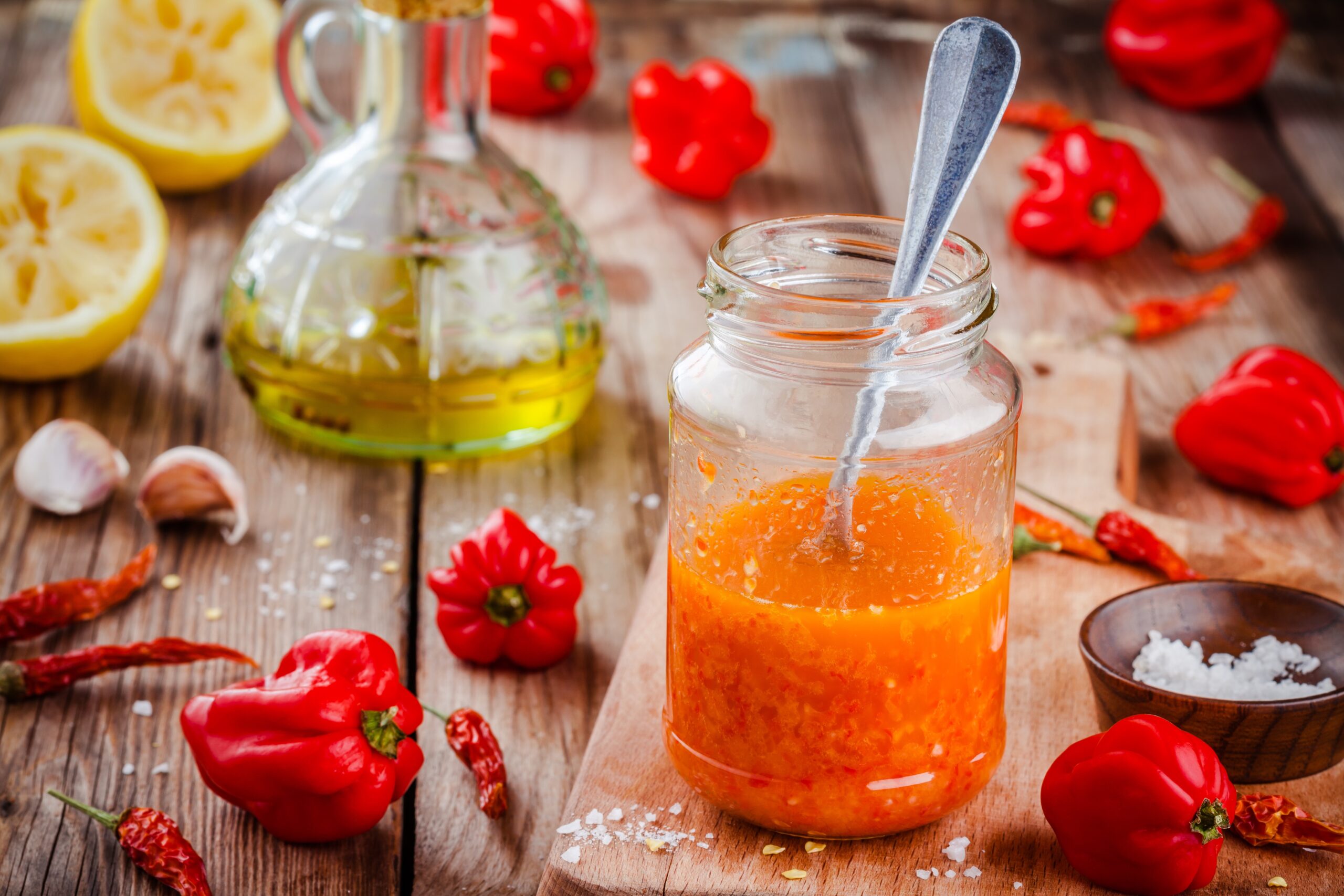
While there are countless variations, here is a simple homemade hot sauce recipe that captures the spirit of Caribbean kitchens.
Ingredients
- 8 Scotch bonnet peppers
- 3 cloves garlic
- 1 small carrot
- ½ cup white vinegar
- Juice of one lime
- 1 teaspoon salt
- A few sprigs of fresh thyme
Method
- Wear gloves when handling peppers, unless you enjoy unnecessary drama later.
- Remove the stems from the peppers.
- Chop the carrot and garlic.
- Add all ingredients to a blender.
- Blend until smooth.
- Pour into a sterilised bottle or jar.
Allow the sauce to sit for a day or two before using so the flavours can develop.
The result is a vibrant sauce that works beautifully with rice dishes, grilled vegetables, or curries.
Pepper Sauce and Caribbean Street Food
Pepper sauce is also essential in Caribbean street food culture.
Walk through a bustling market or food stall and you will often see multiple sauce bottles lined up, each with slightly different colours and heat levels.
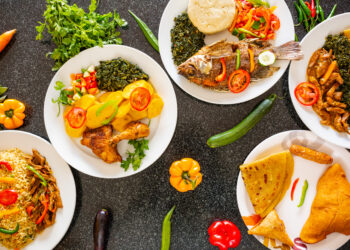
Popular foods served with hot sauce include:
- Doubles
- Roti
- Fried plantain
- Pelau
- Grilled corn
- Saltfish dishes
Pepper Sauce in the Caribbean Diaspora
As Caribbean communities spread across the world, so did their beloved condiments.
Cities like London, Toronto, and New York now have thriving Caribbean food scenes where pepper sauce remains a staple.
In diaspora kitchens, homemade sauces are often treasured because they preserve a connection to home. Even when ingredients change slightly, the tradition remains.
For many families abroad, making hot sauce becomes a nostalgic ritual, a reminder of childhood kitchens, Sunday meals, and lively family gatherings.
Modern Vegetarian and Plant-Based Pairings
Interestingly, the rise of plant-based world cuisine has made Caribbean pepper sauces even more popular.
Because these sauces are typically vegan-friendly, they pair beautifully with modern vegetarian dishes.
Try them with:
- Roasted sweet potatoes
- Grilled tofu
- Vegetable curries
- Chickpea salads
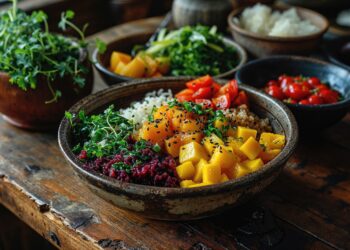
- Rice bowls
The bold heat and acidity elevate plant-based meals in ways that feel exciting rather than restrictive.
This is one reason vegetarian food trends and Caribbean condiments often complement each other so well.
Pepper Sauce Storage Tips
A well-made pepper sauce can last for weeks, sometimes months, if stored properly.
Here are a few simple tips:
- Use sterilised glass bottles.
- Store in the refrigerator.
- Shake before each use.
- Avoid dipping spoons directly into the bottle.
Over time, the flavour may actually improve as ingredients continue to blend.
Many Caribbean cooks will proudly claim their sauce tastes better after a week.
Friendly Competition in the Kitchen
Perhaps the most entertaining aspect of Pepper Sauce in Caribbean Homes is the competition.
Everyone believes their recipe is the best.
You might hear things like:
- “Mine has more flavour.”
- “Mine has the perfect balance.”
- “Mine is not just heat, it has character.”
Naturally, taste tests become lively debates.
But these moments are part of what makes Caribbean cooking so joyful. Food is rarely just about eating, it is about conversation, storytelling, and laughter.
Why Pepper Sauce Feels Like Personality?
Ultimately, pepper sauce reflects something deeper than spice preference.
It represents:
- Creativity in the kitchen
- Pride in cultural heritage
- Family traditions
- A love of bold flavour
A person’s hot sauce habits can say a lot about them. Some people drizzle carefully, while others pour with heroic enthusiasm.
Either way, the presence of pepper sauce signals warmth, hospitality, and the lively spirit of Caribbean cooking.
The Global Rise of Caribbean Condiments
In recent years, Caribbean sauces have gained global recognition.
Food enthusiasts worldwide are discovering the vibrant flavour profiles that make Caribbean cuisine so exciting.
Chefs are incorporating pepper sauces into modern recipes, while food markets now stock artisanal Caribbean condiments made with tropical fruits, herbs, and heritage peppers.
Despite this global popularity, the heart of pepper sauce culture still lies in home kitchens, where recipes evolve through generations.
A Little Bottle With a Big Story
When you look at a simple jar of hot sauce, it may not seem remarkable. But in Caribbean culture, that bottle holds history, personality, and pride.
It represents:
- Family traditions
- Shared meals
- Cultural identity
- The joy of bold flavours
And perhaps most importantly, it reminds us that food should be fun.
Because sometimes, the best way to bring people together is simply to place a bottle of pepper sauce on the table and see what happens.
If you enjoy discovering the flavours, and stories behind Caribbean cooking, make sure you keep exploring, and don’t forget to follow CurryBien for more delicious adventures from kitchens around the world.