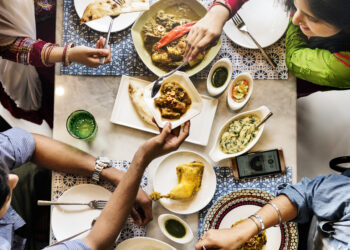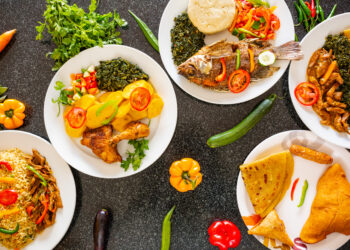


Indo-Caribbean Culture has always existed in plain sight yet somehow remained overlooked, quietly thriving in kitchens, community halls, family WhatsApp groups and Sunday lunch tables. For decades, it was passed down through food, music, language and ritual, rarely acknowledged beyond the communities that lived it daily. But in recent years, something has shifted. Indo-Caribbean culture is no longer just surviving offline; it is flourishing online.

From viral cooking videos and Carnival fashion reels to thoughtful discussions on identity and diaspora, Indo-Caribbean voices are increasingly shaping digital spaces. What was once niche is now visible, searchable and proudly shared. The internet has become a stage, and Indo-Caribbean culture has finally stepped into the spotlight.
A Culture That Has Always Been Global
To understand why Indo-Caribbean culture is gaining attention online now, it helps to remember that this culture has always been global in nature. Born from Indian indentured labourers settling across the Caribbean, it blends Indian traditions with Caribbean landscapes, African rhythms, colonial history and local creativity.
This unique fusion created something entirely its own:
-
Indian spices adapted to Caribbean produce
-
Hindu and Muslim traditions reshaped by island life
-
Language patterns blending Bhojpuri, English and Creole
-
Music, fashion and food that refused to fit neatly into one category
For generations, Indo-Caribbean people lived between worlds. Now, the internet reflects that same in-between space, borderless, hybrid and expressive.
Why the Internet Changed Everything?
Before social media, Indo-Caribbean culture existed mostly within families and physical communities. Representation in mainstream media was limited, and when it did appear, it often lacked nuance. Online platforms changed that.
Digital spaces removed gatekeepers. Suddenly, you didn’t need permission to share your story, just a phone, a recipe, or a memory worth telling.
Social media platforms now allow:
-
Home cooks to share traditional recipes globally
-
Young creators to talk openly about identity
-
Diaspora communities to connect across continents
-
Cultural conversations to happen in real time
For Indo-Caribbean people, this has been transformational.
Food Content: The Gateway to Cultural Visibility
Food has been the most visible entry point for Indo-Caribbean culture online. And honestly, it makes sense. Food is visual, emotional and universally relatable.
Videos of dal puri being rolled, curry goat simmering, or mango achar being mixed have captured attention far beyond Indo-Caribbean communities. What viewers see is not just a dish, it’s history, memory and pride served on a plate.
Food content thrives because:
-
Recipes carry personal stories
-
Cooking techniques spark nostalgia
-
Audiences crave authenticity
-
Traditional food offers comfort in uncertain times
What started as “this is how my grandmother made it” has turned into a powerful cultural archive.
Diaspora Voices Finding Confidence
One of the most important reasons Indo-Caribbean culture is gaining momentum online is confidence, especially among younger generations.
For many years, Indo-Caribbean identity existed in a quiet, sometimes uncertain space. Not quite Indian. Not fully Caribbean. Often misunderstood by both.
Online platforms have allowed people to say:
“This is who we are.”
“And we don’t need to explain it.”
Creators are openly discussing:
-
Growing up Indo-Caribbean in the UK
-
Navigating multiple cultural identities
-
Language loss and revival
-
Cultural pride without apology
This honesty resonates, not just with Indo-Caribbean audiences, but with anyone navigating diaspora identity.
The Role of TikTok, Instagram and Short-Form Video
Short-form video platforms have played a huge role in amplifying Indo-Caribbean culture. Their emphasis on visuals, sound and personality suits cultural storytelling perfectly.
A 30-second clip can show:
-
The sound of a tawa hitting heat
-
The colour of a perfectly spiced curry
-
The rhythm of chutney or tassa music
-
The humour of family interactions
These moments don’t require explanation, they’re felt instantly. Algorithms reward engagement, and authentic cultural content tends to connect deeply.
Sometimes the most viral content isn’t polished. It’s real. Slightly chaotic. Very familiar.
Fashion, Carnival and Visual Pride
Fashion has also become a major expression of Indo-Caribbean culture online. Carnival looks, traditional wear, gold jewellery and headwraps are no longer hidden in photo albums, they’re centre stage.
Online fashion content showcases:
-
Indo-Caribbean Carnival outfits
-
Traditional clothing with modern styling
-
Cultural symbolism through accessories
-
Confidence in bold colour and design
This visibility challenges outdated stereotypes and redefines beauty standards through a distinctly Indo-Caribbean lens.
Music, Sound and Cultural Memory
Music has always been central to Indo-Caribbean life, from bhajans and qawwali to chutney and soca. Online platforms now allow these sounds to travel far beyond community events.
Audio trends bring:
-
Chutney music into global playlists
-
Tassa rhythms into viral videos
-
Religious songs into reflective content
-
Nostalgia into everyday scrolling
Sound triggers memory, and memory drives engagement. A familiar beat can instantly transport someone back to childhood, celebration or home.
Conversations That Were Once Private
Perhaps the most powerful aspect of Indo-Caribbean culture going online is conversation. Topics once discussed quietly within families are now being explored openly.
These include:
-
Identity confusion
-
Intergenerational expectations
-
Religious traditions
-
Cultural adaptation in the UK
-
The pressure to “fit in”
Online dialogue validates experiences that many assumed were unique. Seeing others articulate similar feelings creates community, and community fuels cultural momentum.
The Power of Self-Representation
One of the most significant changes is who controls the narrative. Indo-Caribbean people are no longer waiting to be represented, they are representing themselves.
This matters because:
-
Stories are told accurately
-
Cultural nuance is preserved
-
Stereotypes are challenged
-
Pride replaces explanation
Representation led by insiders creates deeper connection and long-term cultural sustainability.
From “Hidden” to Celebrated
For many Indo-Caribbean individuals, seeing their culture online feels deeply affirming. What once felt hidden or misunderstood is now celebrated openly.
Foods that were once mocked are now praised.
Accents once softened are now embraced.
Traditions once downplayed are now shared proudly.
This shift has emotional weight. Visibility isn’t about attention, it’s about belonging.
How UK Indo-Caribbean Communities Are Leading?
The UK Indo-Caribbean diaspora has played a major role in this online cultural moment. With strong communities across London, Birmingham, Leicester and beyond, UK-based creators bring a unique perspective.
They blend:
-
Caribbean heritage
-
British upbringing
-
Global digital influence
This combination makes UK Indo-Caribbean content especially relatable and influential in online spaces.
Cultural Education Without the Lecture
Another reason Indo-Caribbean culture works so well online is tone. Much of the content educates without lecturing.
Instead of explanations, it shows.
Instead of definitions, it demonstrates.
Instead of arguments, it invites curiosity.
Humour plays a key role here. A joke about Sunday cooking or family expectations can communicate more cultural truth than a paragraph ever could.
The Risk of Oversimplification
Of course, increased visibility comes with challenges. Online platforms can flatten culture, reducing complexity into trends.
But many creators are pushing back by:
-
Sharing context
-
Preserving language
-
Respecting religious traditions
-
Correcting misconceptions
The goal isn’t virality at any cost, it’s representation with integrity.
What this Moment Means for the Future?
Indo-Caribbean culture going online isn’t a trend, it’s a transition. From oral tradition to digital archive. From private memory to shared narrative.
This moment ensures:
-
Recipes are preserved
-
Stories are recorded
-
Language survives
-
Identity evolves without disappearing
And importantly, future generations won’t have to search as hard to see themselves reflected.
Why It Matters Beyond the Screen?
Online visibility has offline impact. It influences confidence, community engagement and cultural pride.
Seeing Indo-Caribbean culture respected online encourages:
-
Younger generations to learn traditions
-
Elders to share knowledge
-
Communities to connect across borders
-
Cultural continuity in changing times
The screen becomes a bridge, not a barrier.
Final Thoughts!
Indo-Caribbean culture is finally getting its moment online because it was always meant to be shared, it just needed the right space. Digital platforms have provided that space, allowing stories, flavours and voices to travel freely.
This visibility isn’t about trends or numbers. It’s about recognition, connection and pride. It’s about seeing yourself reflected and knowing that your culture matters.
And if it all started with a curry bubbling on screen or a familiar song playing in the background, then honestly, that feels exactly right.
For more stories exploring Indo-Caribbean identity, food and culture in the modern world, keep reading CurryBien, where heritage meets the here and now.