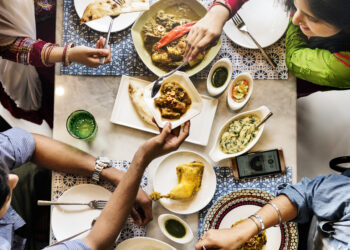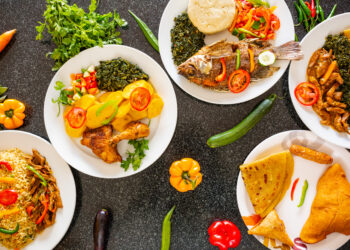

Global Home Cooking is no longer a niche curiosity tucked away in adventurous households, it has become the beating heart of everyday meals across the UK. From weekday dhal simmering gently on the hob to Korean-inspired fried rice making a cheeky appearance at Sunday lunch, British kitchens in 2026 are more globally connected than ever before. And frankly, our taste buds are having the time of their lives.

Across the country, home cooks are stepping confidently beyond traditional comfort zones. The modern UK kitchen is a place where spice racks are fuller, shopping lists are more adventurous, and dinner conversations often begin with, “I saw this recipe online…” What was once considered “international food night” has quietly become simply… dinner.
The Rise of the Curious UK Home Cook
One of the biggest drivers behind this shift is curiosity. British home cooks in 2026 are more informed, more experimental, and far less intimidated by unfamiliar ingredients. The phrase multicultural cooking has moved from trendy buzzword to everyday reality.
Walk into an average UK supermarket today and you’ll notice the difference immediately. World food aisles have expanded, specialty ingredients are easier to find, and even smaller local shops are stocking items that would have been considered exotic just a decade ago. Gochujang, cassava flour, and Caribbean green seasoning now sit comfortably alongside baked beans and Yorkshire tea.
Home chefs are no longer asking, “Can I make this?” but rather, “Why haven’t I made this yet?”
Social Media: The Real Kitchen Influencer
If there is one undeniable force behind the Global Home Cooking boom, it is social media. Platforms like TikTok, Instagram, and YouTube have turned everyday cooks into global culinary explorers almost overnight.
Short-form cooking videos have removed much of the mystery around international dishes. Watching someone fold dumplings or temper spices in real time makes unfamiliar techniques feel approachable. In many cases, viewers are cooking along within minutes, sometimes successfully, sometimes with… character-building results.
Food creators from diverse backgrounds have also played a major role in normalising multicultural cooking in UK homes. Authentic voices sharing family recipes have built trust and curiosity simultaneously. It’s no longer just about polished celebrity chefs; it’s about real kitchens, real ingredients, and real stories.
And let’s be honest, if a 30-second video makes a dish look doable on a Tuesday night, many of us are willing to give it a go.
Post-Pandemic Cooking Habits That Stuck Around
The pandemic may feel like a distant memory for many, but its impact on home cooking habits is still very much alive. During lockdowns, millions of UK households rediscovered their kitchens, some reluctantly, others with unexpected enthusiasm.
In 2026, those habits have evolved rather than disappeared. People who learned to cook from scratch have largely kept the skill, and many have expanded their repertoire well beyond basic pasta and banana bread.
Key post-pandemic shifts include:
- Greater confidence in cooking from raw ingredients
- Increased interest in global comfort foods
- More willingness to batch cook and meal prep
- A stronger appreciation for homemade over takeaway
Global Home Cooking fits perfectly into this new mindset. It offers variety, creativity, and often better value than ordering in, all powerful motivators in today’s cost-conscious climate.
The Cultural Influence Reshaping British Plates
The UK’s rich cultural diversity has always influenced its food scene, but in 2026 that influence is more visible inside homes than ever before. Dishes once primarily found in restaurants are now regular features in family meal rotations.
Indo-Caribbean cooking, West African stews, East Asian noodle dishes, and Middle Eastern mezze are all finding loyal followings among UK home chefs. Importantly, this isn’t just about replication, it’s about adaptation.
British cooks are confidently:
- Tweaking spice levels for family preferences
- Substituting locally available ingredients
- Blending culinary traditions in creative ways
- Putting personal spins on classic global recipes
This gentle fusion is part of what makes the current UK food trends 2026 so fascinating. The result is not a loss of authenticity but a living, evolving food culture that reflects modern Britain.
The Home Chef Era Is Well and Truly Here
Another defining feature of 2026 is the rise of the proud home chef. Cooking is no longer seen purely as a chore; for many, it has become a creative outlet and even a form of self-expression.
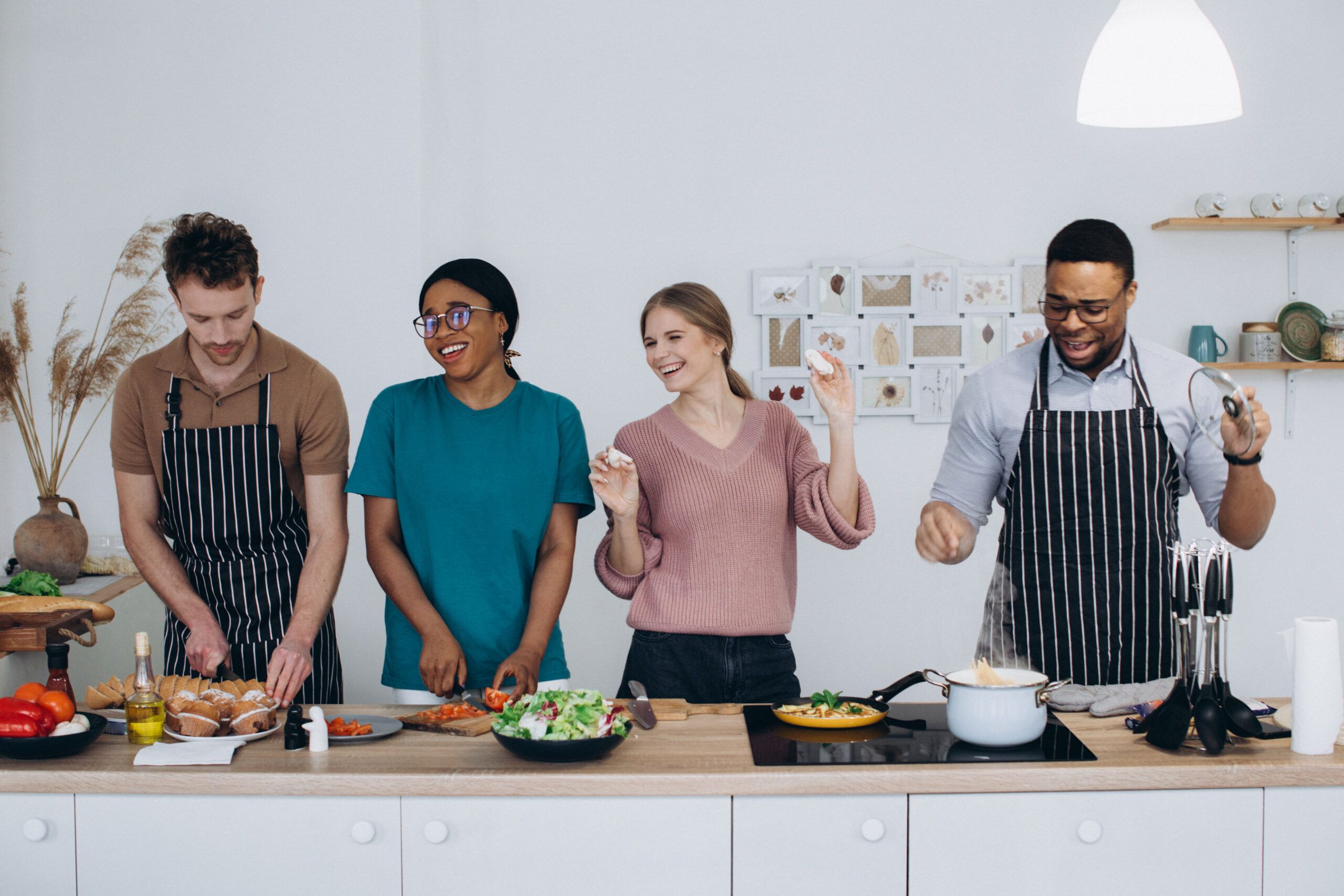
Open-plan kitchens, better home appliances, and the continued popularity of food-focused television have all contributed to this shift. But the real change is psychological. People are more willing to try, fail, adjust, and try again.
Today’s home chefs are:
- Experimenting with global spice blends
- Attempting restaurant-style plating
- Hosting themed dinner nights
- Sharing their creations online
Global Home Cooking feeds directly into this mindset. It offers endless inspiration and the satisfying feeling that tonight’s dinner could be something entirely new.
Cost of Living Pressures and Smarter Cooking
It would be impossible to discuss UK food trends 2026 without mentioning the cost-of-living factor. Eating out regularly has become significantly more expensive, and takeaway prices have crept up enough to make many households pause before tapping the delivery app.
Cooking global dishes at home often provides a cost-effective alternative. Many cuisines rely on pantry staples, pulses, rice, and seasonal vegetables, ingredients that stretch further than ready-made meals.
Savvy UK cooks have realised that:
- A homemade curry can feed a family for less than a single takeaway
- Bulk spices last for months
- Batch cooking global dishes saves both time and money
- Freezer-friendly international meals are a budget lifesaver
In other words, Global Home Cooking isn’t just trendy, it’s practical.
Accessibility of Ingredients Has Changed Everything
Ten years ago, recreating certain international dishes in the UK required a small treasure hunt across multiple specialty shops. In 2026, things are refreshingly different.
Major supermarkets, online retailers, and independent world food stores have dramatically improved access to global ingredients. Even smaller towns now often have at least one well-stocked international aisle.
This accessibility has removed one of the biggest barriers to multicultural cooking. When ingredients are easy to find, experimentation naturally follows.
And once a home cook successfully makes one global dish, confidence tends to snowball rather quickly.
What This Means for the Future of UK Kitchens
If current patterns continue, and all signs suggest they will, Global Home Cooking is set to become even more deeply embedded in British food culture.
We are likely to see:
- Even more hybrid home recipes
- Continued growth of multicultural cooking communities
- Greater demand for authentic yet accessible ingredients
- Home chefs becoming more adventurous with technique
The UK kitchen of the future looks less like a single culinary tradition and more like a delicious crossroads of global influence.
And honestly, that sounds like a very tasty direction of travel.
Final Thoughts!
Global Home Cooking has transformed from an occasional experiment into a defining feature of UK food culture in 2026. Driven by social media inspiration, post-pandemic confidence, cultural diversity, and practical cost considerations, British home chefs are embracing the world one homemade dish at a time.
The modern UK kitchen is more curious, more confident, and far more flavourful than it was just a few years ago, and the momentum shows no sign of slowing down.
If you’re loving this global food journey as much as we are, don’t forget to give CurryBien a little follow, your future dinner inspiration might just be one scroll away.