
Food, Charity, and Community Matters on Hazrat Ali’s Birthday in India is not just a phrase you’ll hear in religious gatherings or read in calendars, it is a living, breathing reality that unfolds in homes, mosques, streets, and community kitchens across the country. Hazrat Ali’s birthday, observed with deep reverence by Muslims and respected across faiths, carries lessons that go far beyond ritual. It is about generosity without expectation, sharing meals without judgement, and strengthening bonds that hold communities together.

Who Was Hazrat Ali and Why His Birthday Matters?
Hazrat Ali ibn Abi Talib, the cousin and son-in-law of Prophet Muhammad, holds a revered place in Islamic history. Known for his wisdom, courage, humility, and unwavering commitment to justice, Hazrat Ali is admired not only by Shia Muslims, who observe his birthday with particular devotion, but also by Sunni Muslims and people of other faiths who recognise his ethical legacy.
In India, Hazrat Ali’s birthday is observed as a time of reflection, prayer, and service. Unlike festivals that revolve around spectacle or grandeur, this occasion emphasises values, compassion, fairness, generosity, and responsibility toward others.
And perhaps the most beautiful expression of these values comes through food and charity.
Food as a Sacred Act, Not Just a Celebration
In Indian culture, food has always carried spiritual weight. Whether it’s langar in Sikh traditions, prasad in Hindu rituals, or niyaz and tabarruk in Islamic observances, sharing food is seen as an act of devotion.
On Hazrat Ali’s birthday, this idea comes alive in a very tangible way.
Community Meals and Niyaz
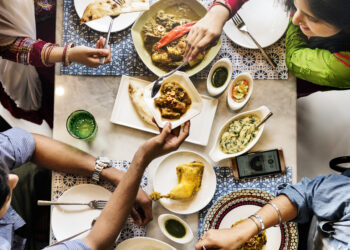
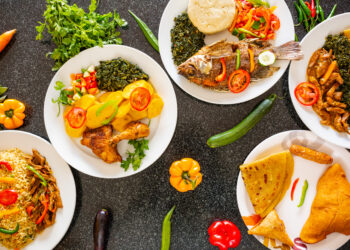
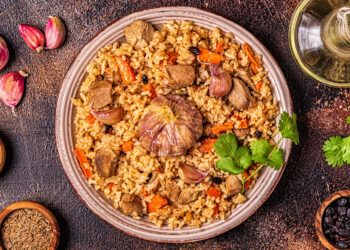
Across India, mosques and dargahs prepare niyaz — food cooked and distributed in remembrance of Hazrat Ali. Rice dishes, sweet halwa, kheer, dates, and simple curries are prepared with care, intention, and prayer.
The beauty lies in the simplicity:
-
No distinction between rich and poor
-
No invitation lists
-
No questions asked
Anyone who comes is welcomed.
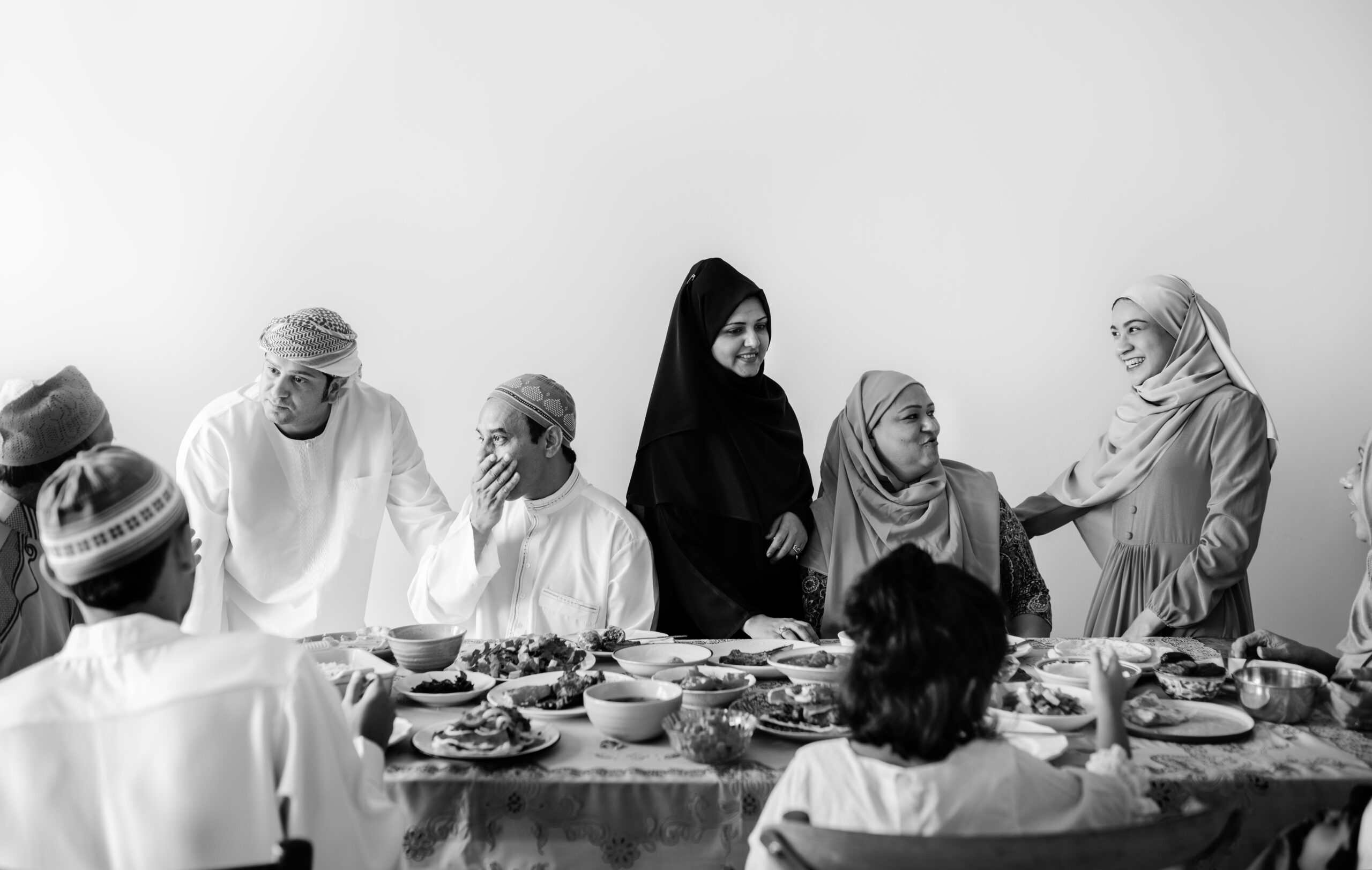
In cities like Lucknow, Hyderabad, Delhi, and Mumbai, entire neighbourhoods come together to cook and distribute food. Large degchis bubble away, volunteers chop vegetables, children carry plates, and elders supervise with quiet pride.
Food becomes a language everyone understands.
Indian Flavours on Hazrat Ali’s Birthday
While the intention behind the food remains the same, the flavours vary beautifully across India.
In North India, you might find:
-
Mild vegetable pulao
-
Sweet suji halwa
-
Chickpea or lentil-based curries
In Hyderabad and Deccan regions:
-
Soft rice dishes with aromatic spices
-
Sweet vermicelli (seviyan)
-
Dates and milk-based desserts
In coastal areas:
-
Coconut-infused rice
-
Simple vegetable stews
-
Light sweets using jaggery
What unites these dishes isn’t the recipe, it’s the intention. Food is cooked not for praise, profit, or performance, but as an offering.
A quiet reminder that sometimes, the most meaningful meals are the simplest ones.
Charity as a Way of Life, Not a One-Day Gesture
Hazrat Ali is famously remembered for his generosity. Stories from his life often describe him giving away food, money, or even his own possessions to those in need, sometimes while he himself had very little.
On his birthday, these stories are not just retold; they are practiced.
Forms of Charity Observed
Charity on Hazrat Ali’s birthday in India takes many forms:
-
Feeding the hungry
-
Distributing clothes or blankets
-
Offering financial help to those struggling
-
Supporting widows, orphans, and the elderly
-
Donating quietly, without public recognition
Importantly, charity here is not transactional. It is not about gaining spiritual “points” or social validation. It is about responsibility, the belief that if you have more, you share more.
And often, the most impactful acts are the quiet ones.
The Role of Community Kitchens
Community kitchens play a vital role during Hazrat Ali’s birthday. Much like langars, these kitchens operate on collective effort.
Volunteers contribute:
-
Time
-
Ingredients
-
Labour
-
Skills
Some cook, some clean, some serve, and some simply sit and ensure everyone feels welcome. Hierarchies dissolve. The person serving today may be served tomorrow.
For many people, especially those facing loneliness or economic hardship, these meals are more than food, they are moments of dignity.
Women, Food, and Silent Leadership
In many Indian households, women take the lead in preparing food for niyaz. While their work often happens behind the scenes, it forms the backbone of these observances.
From planning menus to cooking in large quantities, women ensure that food is prepared with care and cleanliness. Recipes are passed down generations, often accompanied by stories of faith, patience, and resilience.
It’s a reminder that community leadership doesn’t always come with a microphone — sometimes it comes with a ladle.
Hazrat Ali’s Teachings and Modern India
In today’s India, where social divides often feel sharper than ever, the teachings associated with Hazrat Ali’s birthday feel quietly radical.
His emphasis on Justice over power, Compassion over status, Equality over privilege resonates deeply in a society navigating inequality, economic stress, and cultural fragmentation. Food and charity become tools to bridge these divides, even if temporarily.
For a few hours or days, people sit side by side, eat the same food, and share the same space. That matters more than we often realise.
Interfaith Participation and Shared Respect
One of the most striking aspects of Hazrat Ali’s birthday in India is its interfaith nature.
Neighbours from different religions often participate:
-
Helping distribute food
-
Accepting niyaz
-
Offering greetings
In many places, non-Muslims attend community meals simply as neighbours and friends. There is no pressure to participate religiously — presence itself is enough.
This quiet coexistence, built around food and goodwill, reflects the best of India’s pluralistic spirit.
Charity Beyond the Mosque Walls
While mosques and dargahs remain central, charity during Hazrat Ali’s birthday often extends beyond religious spaces.
Many families:
-
Send food to hospitals
-
Donate to shelters
-
Help domestic workers or drivers
-
Support someone they know is struggling
These acts are rarely announced. They happen quietly, guided by the belief that the best charity is the one done without witnesses.
A philosophy that feels refreshingly grounded in an age of performative generosity.
Teaching Children Through Action
For children, Hazrat Ali’s birthday becomes a living lesson.
They see:
-
Food being shared
-
Elders helping strangers
-
Parents giving without expecting returns
These experiences often leave deeper impressions than sermons ever could. Children learn that faith is not just something you say, it’s something you do.
And sometimes, it starts with handing someone a plate of food.
The Emotional Power of Shared Meals
There is something deeply human about eating together. On Hazrat Ali’s birthday, this simple act carries emotional weight.
For some, it brings comfort.
For others, dignity.
For many, a sense of belonging.
In a fast-paced, often isolating world, these shared moments slow things down. They remind people that community still exists, and that kindness doesn’t require grand gestures.
Food, Faith, and Identity in the Diaspora
For Indians living abroad, including those in the UK, Hazrat Ali’s birthday becomes a way to stay connected to home.
Families recreate traditional dishes, host small gatherings, or donate to charities back in India. Food becomes memory, heritage, and identity rolled into one.
This is where platforms like CurryBien play an important role — documenting not just recipes, but the stories and values behind them.
Why This Matters in 2025 and Beyond?
In 2025, conversations around food often focus on trends, aesthetics, or social media appeal. Charity is sometimes reduced to campaigns, and community to hashtags.
Hazrat Ali’s birthday quietly challenges all of that.
It reminds us that:
-
Food is meant to be shared
-
Charity is meant to be sincere
-
Community is meant to be inclusive
No filters required.
A Gentle Reminder, Served Warm
At its heart, Food, Charity, and Community Matters on Hazrat Ali’s Birthday in India because it reflects a way of living that feels increasingly rare, and increasingly necessary.
It teaches us that generosity doesn’t need abundance, only intention. That community isn’t built through grand statements, but through shared meals. And that faith, at its best, shows up not in words, but in actions.
So whether it’s a plate of rice passed to a stranger, a quiet donation, or simply sitting together and listening, these small acts carry Hazrat Ali’s legacy forward.
And honestly, if the world had more days like this, we might all eat a little better, and live a little kinder.