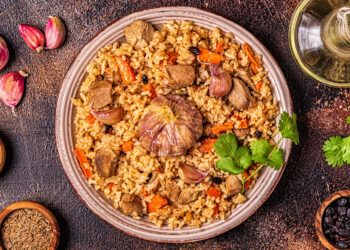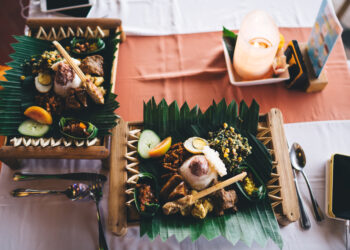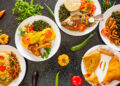

Vegetarian Cooking Around the World: Vegetarian Cooking Around the World: Bold Flavours Without the Meat is not just a trend or a passing lifestyle choice—it’s a culinary journey that spans continents, centuries, and cultures. The idea that delicious food must revolve around meat is slowly fading as more people discover the vibrant flavours, textures, and traditions of plant-based cooking. From Indian lentil curries to Mediterranean vegetable stews and Caribbean coconut-infused dishes, vegetarian cooking around the world proves that flavour doesn’t require a steak to shine. With the rise of plant-based world cuisine, vegetarian food trends, modern lifestyles are rediscovering what many cultures have known all along: vegetables, grains, legumes, and spices can create meals that are both satisfying and exciting.

In fact, vegetarian cooking has deep cultural roots across the globe. Many societies historically relied on plant-based foods due to religious beliefs, climate conditions, or economic realities. Today, these traditions are inspiring a new generation of cooks who are embracing vegetarian meals not just for health or environmental reasons, but also for the joy of bold flavours and culinary creativity.
A Global Tradition Older Than the Trend
While vegetarian food may seem like a modern health movement, it has existed for thousands of years. In many cultures, plant-based cooking has long been an integral part of daily life.
In India, vegetarian cuisine is deeply connected to religious traditions such as Hinduism and Jainism. Dishes like dal, vegetable curries, and chickpea-based snacks are staples in millions of homes. The use of spices like cumin, turmeric, coriander, and garam masala creates layers of flavour that make even the simplest vegetables taste extraordinary.
Meanwhile, across the Mediterranean, vegetarian dishes have been part of the traditional diet for centuries. Think of Greek spanakopita, Italian pasta with tomato and basil, or Middle Eastern hummus and falafel. These dishes rely heavily on fresh vegetables, olive oil, legumes, and herbs.
In East Asia, tofu and soy-based products have been key protein sources for centuries. From Chinese stir-fried vegetables with tofu to Japanese miso soups and Korean vegetable bibimbap, plant-based ingredients have long been at the centre of the table.
These traditions demonstrate that vegetarian cooking around the world is not a new invention—it’s a rediscovery of time-tested culinary wisdom.
Caribbean and Indo-Caribbean Vegetarian Delights
When discussing global food culture, migration and cuisine, the Caribbean provides a fascinating example of how vegetarian cooking evolves through cultural exchange.
During the 19th century, indentured labourers from India brought their culinary traditions to Caribbean islands such as Trinidad and Guyana. Over time, these traditions blended with local ingredients and cooking styles to create Indo-Caribbean cuisine.
Vegetarian dishes like channa and aloo, dal puri, and pumpkin curry became staples. Local produce such as callaloo, breadfruit, and green bananas added unique Caribbean flavours to traditional Indian cooking techniques.
One of the joys of Indo-Caribbean vegetarian cooking is its fearless use of spices. Scotch bonnet peppers add heat, coconut milk brings richness, and fresh herbs create bright, vibrant dishes.
If there’s one thing Indo-Caribbean kitchens prove, it’s that vegetables can absolutely steal the show.
The Rise of Modern Plant-Based Food Trends
In recent years, vegetarian cooking has gained enormous popularity worldwide. Restaurants, supermarkets, and home cooks are embracing plant-based meals like never before.
Several factors are driving these vegetarian food trends:
1. Health Awareness
Many people are choosing plant-based meals to support heart health, reduce cholesterol, and increase nutrient intake. Vegetables, beans, and whole grains are packed with fibre, vitamins, and antioxidants.
2. Environmental Concerns
Plant-based diets are often seen as more sustainable because they typically require fewer resources than meat production.
3. Culinary Curiosity
Perhaps the most exciting reason is simple curiosity. People want to explore global flavours and cuisines, and vegetarian dishes often provide the perfect gateway.
From vegan street food markets in London to plant-based fusion restaurants in New York, vegetarian cooking is now firmly part of the mainstream food scene.
Famous Vegetarian Dishes from Around the World
Let’s take a quick culinary tour of some beloved vegetarian dishes that showcase the diversity of plant-based world cuisine.
1. Dal (India)
A comforting lentil stew cooked with spices and often served with rice or flatbread. Dal is simple, nourishing, and endlessly adaptable.
2. Ratatouille (France)
A colourful vegetable stew featuring aubergine, courgettes, tomatoes, and herbs. It’s proof that rustic cooking can still feel elegant.
3. Falafel (Middle East)
Crispy chickpea fritters served in pita bread with salad and tahini sauce. Street food at its finest.
4. Gado-Gado (Indonesia)
A vibrant salad of steamed vegetables, tofu, and eggs topped with rich peanut sauce.
5. Aloo Gobi (India)
Potatoes and cauliflower cooked with turmeric, cumin, and coriander for a fragrant vegetarian classic.
6. Callaloo (Caribbean)
Leafy greens cooked with coconut milk and spices, often served with rice or roti.
Each of these dishes highlights how vegetables, when paired with spices and creativity, can create deeply satisfying meals.
How Migration Influenced Vegetarian Cooking?
One fascinating aspect of global food culture, migration and cuisine is how vegetarian dishes adapt when people move to new places.
When immigrants settle in different countries, they often adjust recipes based on available ingredients. Over time, these adaptations create entirely new dishes.
For example:
- Indian migrants in the Caribbean used local vegetables like pumpkin and green mango in their curries.
- Middle Eastern immigrants introduced falafel and hummus to Western cities, where they quickly became street-food favourites.
- Asian tofu dishes inspired modern vegan innovations in Europe and North America.
These culinary exchanges enrich global cuisine and show how food evolves through migration.
Vegetarian Cooking and Modern Lifestyles
Today’s busy lifestyles have also influenced the popularity of vegetarian cooking. Many plant-based dishes are quick, affordable, and easy to prepare.
A simple vegetable stir-fry can be ready in 15 minutes. A pot of lentil soup can feed a family for days. And a tray of roasted vegetables can transform into wraps, salads, or pasta toppings.
Vegetarian cooking also encourages creativity in the kitchen. Without relying on meat as the centrepiece, cooks often experiment with spices, textures, and ingredients.
Suddenly, mushrooms become “steaks,” cauliflower becomes “wings,” and chickpeas turn into everything from burgers to brownies. The possibilities are surprisingly endless.
The Role of Spices in Vegetarian Cuisine
If vegetables are the stars of vegetarian cooking, spices are the directors behind the scenes.
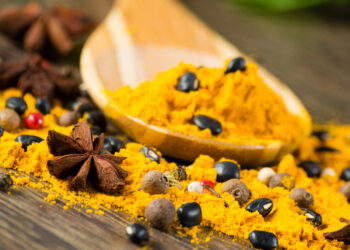
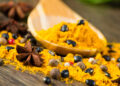
Spices bring depth, warmth, aroma, and complexity to plant-based dishes. Many traditional vegetarian cuisines rely heavily on spice blends to create rich flavour profiles.
For example:
- Indian cooking uses garam masala, turmeric, and mustard seeds.
- Middle Eastern cuisine relies on cumin, sumac, and za’atar.
- Caribbean dishes often feature allspice, thyme, and scotch bonnet peppers.
The right spices can transform humble ingredients like lentils or potatoes into dishes bursting with personality.
Vegetarian Street Food Around the World
Street food is another area where vegetarian cooking shines.
Across the globe, vendors serve delicious meat-free dishes that are quick, affordable, and packed with flavour.
Some favourites include:
- Chaat from India – tangy snacks made with chickpeas, yoghurt, and chutneys.
- Veggie tacos from Mexico – filled with beans, grilled vegetables, and salsa.
- Vegetable dumplings from China – delicate parcels stuffed with cabbage, mushrooms, and tofu.
- Aloo pie from Trinidad – fried dough filled with spiced potatoes.
Street food reminds us that vegetarian meals don’t have to be complicated to be delicious.
The Future of Vegetarian Cooking
Looking ahead, vegetarian cuisine is likely to continue evolving in exciting ways.
Chefs are experimenting with new plant-based proteins, fermentation techniques, and global flavour combinations. Meanwhile, home cooks are rediscovering traditional vegetable recipes from their cultural heritage.
Technology is also playing a role. Plant-based meat alternatives, innovative cooking techniques, and sustainable farming practices are shaping the future of food.
But perhaps the most important change is cultural. Vegetarian cooking is no longer seen as restrictive or niche. Instead, it’s celebrated as creative, diverse, and full of flavour.
A Deliciously Diverse Culinary World
Vegetarian Cooking Around the World proves that bold flavours don’t require meat to shine. Across continents and cultures, plant-based dishes have long been central to daily life, offering nourishment, creativity, and comfort in equal measure.
From Indian dals and Caribbean callaloo to Middle Eastern falafel and Mediterranean vegetable stews, vegetarian cooking reflects centuries of tradition, migration, and innovation. These dishes show how plant-based world cuisine and vegetarian food trends continue to evolve while honouring the cultural roots that shaped them.
So whether you’re cooking a fragrant lentil curry, enjoying a plate of roasted vegetables, or discovering a new vegetarian street-food favourite, remember that some of the world’s most exciting flavours grow straight from the soil.
And if you love exploring stories where culture, food and migration meet, do follow CurryBien, because the global kitchen always has another tasty tale waiting.