
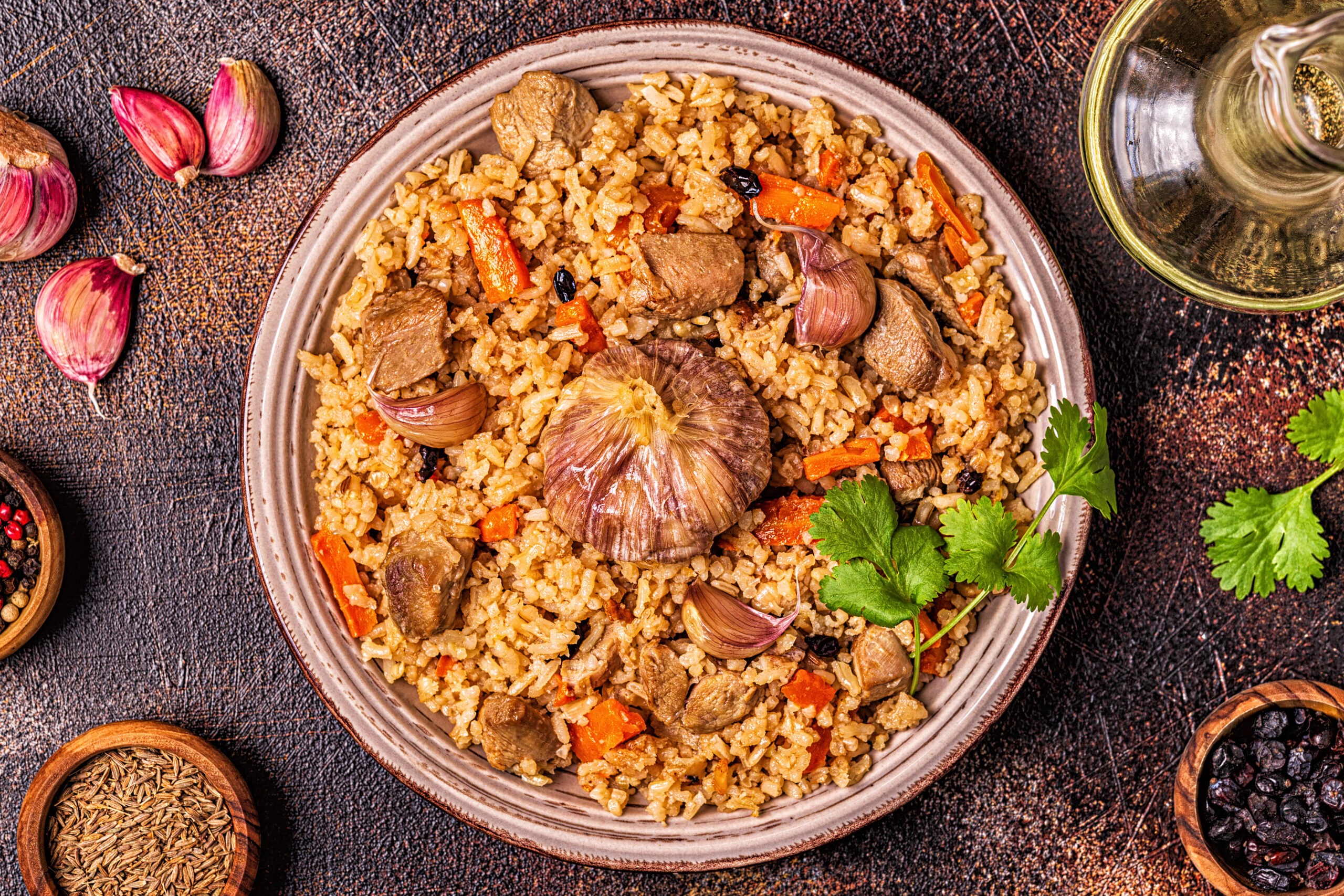
Trinidad Pelau Guide, A phrase that instantly brings to mind a bubbling pot of caramelised chicken, rice, pigeon peas, coconut milk, and vegetables simmering together into something far more magical than the simple ingredients suggest. In Trinidad and Tobago kitchens, pelau is not just a meal; it is a story told in steam, spices, and shared laughter. Somewhere between a Sunday lunch, a beach lime, and a family gathering, this beloved dish has quietly earned its place as one of the Caribbean’s most iconic Caribbean one-pot meals.

Ask any Indo-Caribbean cook about pelau and you will likely hear two things: first, everyone has their own “correct” recipe, and second, no two pots ever taste exactly the same. That’s part of the charm. Pelau carries the flavours of the Caribbean’s history, African techniques, Indian spices, French colonial influence, and island creativity,all folded into a single pot.
What Exactly Is Pelau?
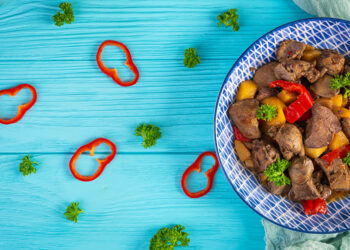
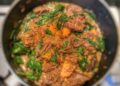
At its core, pelau is a one-pot rice dish made with caramelised meat, rice, pigeon peas, coconut milk, herbs, and vegetables. The cooking process starts with browning sugar until it forms a deep caramel, which coats the chicken and gives pelau its signature dark colour and smoky sweetness.
From there, rice and peas are added along with coconut milk and seasoning, and everything cooks together slowly until the grains soak up every drop of flavour.
Among Caribbean one-pot meals, pelau stands out because of its balance. It is hearty without being heavy, spiced without being overwhelming, and comforting without being dull.
It is the kind of dish that makes you linger at the table just a little longer.
The Cultural Story Behind Pelau
To understand pelau properly, you need to understand the Caribbean.
Trinidad and Tobago’s cuisine reflects centuries of migration and cultural blending. Enslaved Africans brought cooking techniques using rice and legumes, similar to dishes like jollof rice. Later, Indian indentured labourers introduced spices, herbs, and the habit of seasoning meats deeply.
French colonists contributed their own rice dishes, particularly pilaf-style cooking, which many historians believe influenced pelau’s name and method.
Over time, these culinary traditions merged into something uniquely Caribbean.
Today, pelau is often cooked for:
- Beach trips and picnics
- Carnival gatherings
- Family Sunday lunches
- Potluck parties
- Outdoor cooking with friends
In Trinidadian culture, pelau is famously associated with the phrase “one pot feeds plenty.”
And indeed, that’s exactly what it does.
Why Pelau Is the King of Caribbean One-Pot Meals?
Among all Caribbean one-pot meals, pelau might just be the most versatile.
Here’s why cooks love it.
1. Everything Cooks Together
Rice, peas, chicken, vegetables, and seasoning all simmer in one pot. The result is a dish where every bite tastes complete.
2. It Feeds a Crowd
Pelau scales beautifully. A large pot can feed a dozen people easily, which makes it perfect for gatherings.
3. Endless Variations
You can make pelau with:
- Chicken
- Saltfish
- Beef
- Duck
- Vegetarian versions
Each variation still feels authentically pelau.
4. Minimal Washing Up
Let’s be honest, one pot means fewer dishes.
And that alone deserves applause.
Ingredients for a Classic Trinidad Pelau
Every household recipe differs slightly, but a traditional pelau usually includes:
Main Ingredients
- 1 kg chicken (cut into pieces)
- 2 cups long-grain rice
- 1 cup pigeon peas (canned or cooked)
- 1 cup coconut milk
- 2 cups chicken stock or water
- 1 carrot (chopped)
- 1 cup pumpkin or squash (cubed)
- 1 tablespoon brown sugar
Seasoning
- 4 cloves garlic
- 1 small onion
- 2 scallions
- Fresh thyme
- 1 tablespoon green seasoning (a Caribbean herb blend)
- Salt and black pepper
Optional Extras
- Scotch bonnet pepper (whole for flavour)
- Bell peppers
- Fresh parsley
These ingredients form the foundation of the Trinidad Pelau Guide method used in homes across the islands.
Step-by-Step: How to Cook Trinidad Pelau?
Cooking pelau requires patience, but the process itself is straightforward.
Step 1: Season the Chicken
Season the chicken pieces with:
- Garlic
- Green seasoning
- Thyme
- Salt and pepper
Let the meat marinate for at least 30 minutes.
If you have time, leaving it overnight in the fridge deepens the flavour dramatically.
Step 2: Caramelise the Sugar
This step is the signature technique in any proper Trinidad Pelau Guide.
Heat oil in a large pot and add brown sugar.
Allow the sugar to melt slowly until it becomes dark and bubbly. The colour should resemble strong caramel, not burnt, but close.
This stage gives pelau its rich colour and slightly smoky flavour.
Step 3: Brown the Chicken
Add the seasoned chicken directly into the caramelised sugar.
The meat will sizzle loudly as it coats in the caramel.
Stir frequently to prevent sticking.
Cook for 5–7 minutes until the chicken develops a deep brown coating.
Step 4: Add Vegetables and Peas
Next, add:
- Carrots
- Pumpkin
- Pigeon peas
- Chopped onions
- Bell peppers
Stir everything together so the vegetables absorb the caramelised flavour.
Already, your kitchen should smell fantastic.
Step 5: Add Rice
Rinse the rice until the water runs clear.
Add it to the pot and stir well so the grains become coated in seasoning.
This step ensures the rice absorbs flavour evenly while cooking.
Step 6: Pour in Coconut Milk
Now add:
- Coconut milk
- Chicken stock or water
- A whole scotch bonnet pepper (optional)
Bring the pot to a gentle boil.
Once boiling, reduce the heat to low and cover the pot.
Step 7: Let It Simmer
Pelau cooks slowly over low heat for about 25–30 minutes.
Avoid stirring too often.
Too much stirring can break the rice grains.
Instead, check occasionally to ensure it is not sticking to the bottom.
Step 8: Rest the Pot
When the rice is cooked and liquid absorbed, turn off the heat and let the pelau rest for 10 minutes.
This allows the flavours to settle and the texture to firm up.
Then fluff gently with a fork.
What Pelau Tastes Like?
Describing pelau is surprisingly difficult.
It tastes like:
- Smoky caramelised chicken
- Creamy coconut rice
- Earthy pigeon peas
- Fresh herbs and spices
Each spoonful is slightly different, depending on what lands on your fork.
That unpredictability is part of the joy.
Among Caribbean one-pot meals, pelau offers the most complex flavour balance.
What to Serve with Pelau?
Pelau is often served with simple sides to complement the rich flavour.
Popular pairings include:
1. Coleslaw
Fresh cabbage slaw adds a crisp contrast.
2. Avocado Slices
Creamy avocado balances the spices beautifully.
3. Fried Plantains
Sweet plantains make a perfect Caribbean side.
4. Pepper Sauce
For heat lovers, a splash of Caribbean pepper sauce brings everything to life.
Pelau at the Beach: A Caribbean Tradition
One of the most iconic pelau traditions happens at the beach.
Families and friends often bring a large pot of pelau to seaside gatherings, particularly in Trinidad.
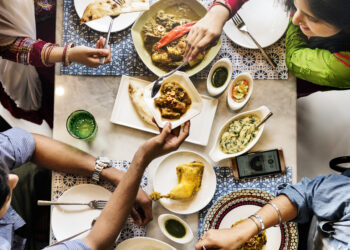
Cooking pelau outdoors over a fire or portable burner turns the meal into a social event.
Someone stirs the pot.
Someone else chops vegetables.
Another person insists their seasoning technique is “the real way.”
Before long, the entire group is laughing and waiting impatiently for the rice to finish cooking.
Few Caribbean one-pot meals capture that communal spirit quite like pelau.
Regional Variations of Pelau
Like many beloved dishes, pelau has evolved into multiple versions.
1. Chicken Pelau
The most common version, featuring bone-in chicken pieces.
2. Duck Pelau
Popular during festive occasions in Trinidad.
3. Saltfish Pelau
A seafood twist using salted cod.
4. Vegetarian Pelau
Made with extra vegetables and sometimes chickpeas instead of meat.
Each version keeps the essential technique but adapts to different tastes.
Tips for Perfect Pelau Every Time
A few small details make a big difference when cooking pelau.
1. Use long-grain rice
Short-grain rice can become sticky.
2. Do not burn the sugar
Caramel should be dark but not black.
3. Let the rice steam properly
Resist the urge to stir constantly.
4. Season generously
Pelau depends heavily on herbs and spices.
Follow these tips and your pot will come out beautifully.
Pelau in the UK: Bringing Caribbean Flavours Home
For Indo-Caribbean communities in Britain, pelau is more than just dinner.
It is a connection to home.
Many families cook pelau for:
- Community gatherings
- Cultural celebrations
- Family Sunday meals
Ingredients are now easy to find in the UK thanks to Caribbean grocery shops and international supermarkets.
Coconut milk, pigeon peas, and green seasoning are widely available.
Why Pelau Continues to Matter?
In a world full of complicated recipes and elaborate cooking techniques, pelau reminds us that the best meals are often the simplest.
One pot.
A handful of ingredients.
A little patience.
And suddenly, you have a dish that carries centuries of culture, migration, and creativity.
The beauty of pelau lies in its flexibility and generosity. It welcomes improvisation, adapts to different kitchens, and always seems to feed one more person than expected.
Final Thoughts!
A proper Trinidad Pelau Guide cannot promise that your pot will taste exactly like someone’s grandmother’s version, and that’s perfectly fine.
Pelau is meant to evolve with every cook who prepares it.
What matters most is the spirit behind the dish: cooking something hearty, flavourful, and generous enough to share.
Among all Caribbean one-pot meals, pelau stands proudly as a symbol of Trinidadian culture and Caribbean creativity.
So, the next time you’re looking for a meal that tells a story as well as it satisfies hunger, put a pot on the stove and try pelau.
Just be warned, once friends catch the aroma, they might never leave your kitchen.