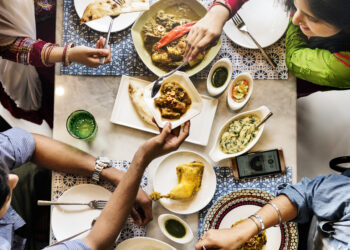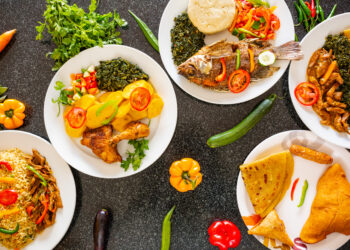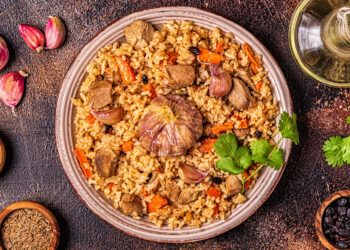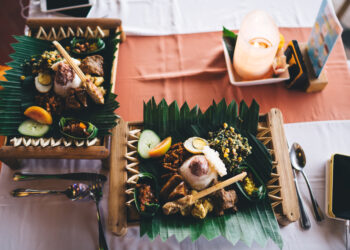

The Rise of Home Cooks on Instagram & YouTube is one of the most flavourful digital revolutions of the past decade. Scroll through your phone at almost any hour and you’ll likely encounter someone confidently tossing noodles, layering a perfectly aesthetic sandwich, or casually revealing a “quick 20-minute dinner” that somehow looks restaurant-worthy. Whether we planned it or not, we are living in the golden age of the home chef.

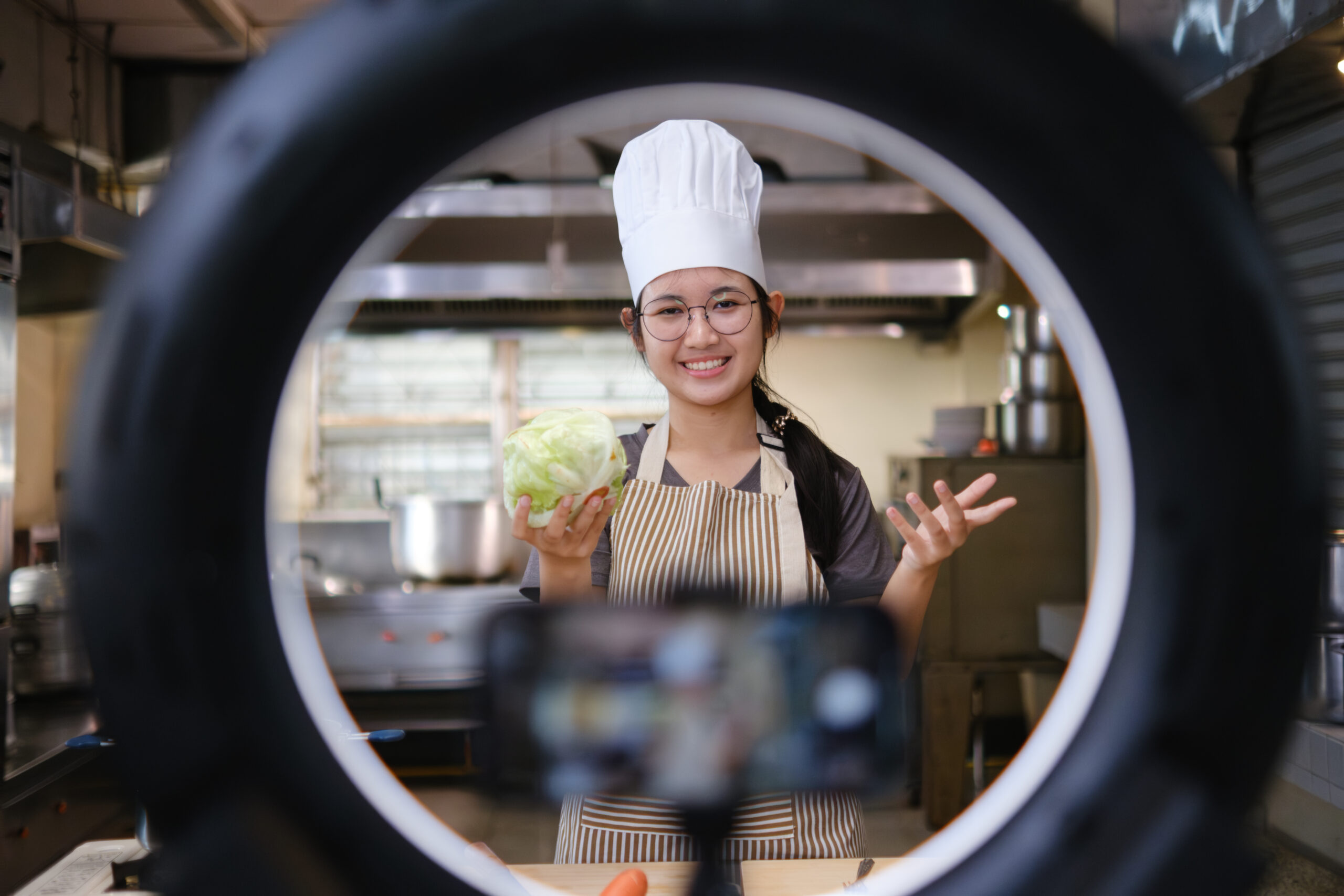
Across the UK and beyond, ordinary kitchens have transformed into mini production studios. Ring lights sit where fruit bowls once lived, spice racks are curated like museum displays, and the phrase “link in bio” has become as common as “dinner’s ready.” But this isn’t just online noise, it reflects a genuine shift in how people cook, learn, and share food.
Welcome to the era where social media trends, algorithm culture, and global creators have collectively turned everyday cooks into culinary influencers.
From Recipe Books to Reels: How We Got Here?
Not long ago, learning to cook meant flicking through dog-eared recipe books or catching the occasional weekend cooking show. Fast forward to 2026, and the learning curve looks very different.
Instagram Reels, TikTok-style short videos, and long-form YouTube tutorials have democratised cooking education. You no longer need formal training, just curiosity, a smartphone, and the willingness to occasionally burn garlic while filming.
Several factors accelerated this shift:
- Faster mobile internet
- Affordable filming equipment
- Pandemic-era home cooking boom
- Growing appetite for global flavours
- Platforms prioritising video content
The result? A massive surge in food creators UK audiences follow daily, many of whom started as complete beginners.
The Algorithm Loves a Good Sizzle
Let’s talk about the not-so-secret ingredient behind this movement: algorithm culture.
Social platforms are engineered to reward content that is:
- Visually satisfying
- Quick to understand
- Emotionally engaging
- Repeatable
Cooking content ticks every box. The sizzle of onions, the swirl of sauce, the dramatic cheese pull, these are algorithm gold. Viewers don’t need sound, context, or even full recipes to be hooked.
For creators, this creates a powerful feedback loop:
- Post a visually pleasing dish
- Gain engagement
- Platform pushes the video further
- Audience grows
- Repeat with slightly crispier potatoes
This is why YouTube cooking channels and short-form food videos have exploded simultaneously. One builds depth; the other builds discovery.
The UK’s Food Creators Are Thriving
The UK has become a particularly vibrant hub for home cooking content. The diversity of British food culture, combined with strong social media adoption, has produced a wave of creators who blend tradition with global flair.
Today’s food creators UK audiences love often focus on:
- Indo-Caribbean comfort food
- Quick midweek meals
- Budget-friendly cooking
- Air fryer innovations (naturally)
- Fusion recipes
- Cultural storytelling through food
UK creators distinguish themselves through their strong sense of relatability. Many film in realistically sized kitchens and work within practical household budgets, which encourages viewers to feel that the recipes are genuinely achievable.
This authenticity has proven to be exceptionally valuable in the digital space.
Global Creators, Local Kitchens
One of the most fascinating aspects of this trend is how global creators have reshaped everyday British cooking. A home cook in Manchester might learn dumpling folding from a creator in Seoul, spice tempering from a cook in Trinidad, and flatbread techniques from someone in Istanbul, all before Tuesday dinner.
This global cross-pollination has led to:
- More adventurous home menus
- Greater confidence with unfamiliar ingredients
- Hybrid recipes that reflect modern multicultural cooking
- Increased appreciation for authentic techniques
The kitchen has quietly become one of the most globally connected spaces in the modern home.
Why Everyone Suddenly Feels Like a Chef?
Part of the magic behind The Rise of Home Cooks on Instagram & YouTube is psychological. Social media has lowered the perceived barrier to entry.
When viewers see:
- Real people (not just celebrity chefs)
- Imperfect kitchens
- Quick, approachable recipes
- Honest trial-and-error moments
There’s also a powerful sense of community. Comment sections are full of:
- Substitution tips
- Family variations
- Cultural context
- Gentle (and sometimes not-so-gentle) debates about the “right” way to cook something
This interaction transforms cooking from a solo task into a shared experience.
The Post-Pandemic Confidence Boost
We cannot ignore the lingering impact of the pandemic years. During lockdowns, millions of people were gently (or forcibly) reunited with their kitchens.
What started as necessity became habit, and for many, passion.
By 2026, that confidence has matured. Home cooks who once nervously followed step-by-step recipes are now:
- Improvising with ingredients
- Adjusting spice levels confidently
- Filming their own cooking content
- Hosting dinner parties with suspicious levels of pride
The pipeline from “bored home cook” to “aspiring food creator” has never been shorter.
YouTube vs Instagram: Different Flavours of Influence
While often grouped together, Instagram and YouTube serve slightly different roles in the home cooking boom.
Instagram and short-form platforms
Best for:
- Quick inspiration
- Viral recipes
- Visual food trends
- Discovering new creators
These platforms are the spark.
YouTube cooking channels
Best for:
- Detailed tutorials
- Cultural deep dives
- Full recipe walkthroughs
- Skill-building content
This is where serious home chefs level up.
Successful creators often use both: short clips to attract viewers, long-form videos to build loyalty. It’s a clever ecosystem, and one that continues to grow rapidly.
The Business of Being a Home Cook Online
Let’s not pretend this is purely about passion and perfectly chopped herbs. For many creators, cooking content has become a legitimate income stream.
Revenue sources now include:
- Brand partnerships
- Sponsored ingredients
- Ad revenue
- Cookbooks and digital products
- Affiliate links
- Paid subscriptions
This professionalisation has raised the overall quality of content, better lighting, clearer instructions, and more polished presentation.
But interestingly, audiences still prefer creators who feel authentic rather than overly glossy. A slightly chaotic kitchen often performs better than a showroom-perfect one.
There is comfort in culinary realism.
What This Means for Everyday UK Kitchens?
The ripple effects of this trend are everywhere.
UK households are:
- Trying more global recipes
- Buying wider ranges of spices
- Investing in better kitchen tools
- Cooking from scratch more often
- Hosting more food-focused gatherings
In short, the line between “viewer” and “home chef” has blurred dramatically.
The modern British kitchen is no longer just a place to prepare meals, it’s a space for experimentation, creativity, and occasionally filming your dinner from three different angles.
The Future of Social Media Cooking
If current patterns continue (and there is every sign they will), the influence of home cooks online is only going to grow.
We can expect:
- Even more niche food communities
- Greater cultural storytelling through recipes
- Smarter algorithm-driven food discovery
- More UK-based creators gaining global audiences
- Continued blending of professional and home cooking spaces
The days when cooking expertise belonged only to trained chefs are firmly behind us.
Final Thoughts!
The Rise of Home Cooks on Instagram & YouTube reflects something deeper than just social media trends, it signals a cultural shift in how we learn, cook, and connect through food. Powered by algorithm culture, inspired by global creators, and embraced enthusiastically by food creators UK audiences follow daily, the home kitchen has become one of the most exciting creative spaces of the digital age.
Whether you’re casually scrolling, seriously meal prepping, or quietly planning your own debut on YouTube cooking channels, one thing is clear: everyone really is a chef now, or at least pleasantly convinced they could be by next weekend.
If you’re hungry for more flavour-packed stories and kitchen inspiration, go on, give CurryBien a cute little follow.