
Lohri Bonfires and the Food Shared around them are at the heart of one of North India’s most joyful winter celebrations — a festival that warms hands, hearts, and stomachs in equal measure.

Celebrated primarily in Punjab, Haryana, parts of Himachal Pradesh, and by Punjabi communities across India and the diaspora, Lohri marks the end of winter’s harshest days and the arrival of longer, brighter ones. It is a festival built on fire, food, folk songs, and community, and unlike many festivals that revolve around temples or elaborate rituals, Lohri takes place outdoors, under the open sky, where everyone is invited.
What Is Lohri and Why Is It Celebrated?
Lohri is traditionally celebrated on 13 January, just before Makar Sankranti, marking the transition of the sun into Capricorn. In agrarian communities, this period symbolises the end of the winter solstice and the beginning of longer days — good news for farmers and anyone who’s tired of cold toes.
Historically, Lohri is linked to:
-
The harvest cycle, especially rabi crops like wheat
-
Gratitude for the sun’s return and warmth
-
Folk traditions honouring nature, fertility, and abundance
It’s also deeply associated with Punjabi folklore, particularly the legend of Dulla Bhatti, a local hero celebrated for protecting young women and standing up against injustice. His name still echoes in Lohri songs today, proof that food festivals can double as history lessons (the best kind).
The Lohri Bonfire: More Than Just a Fire
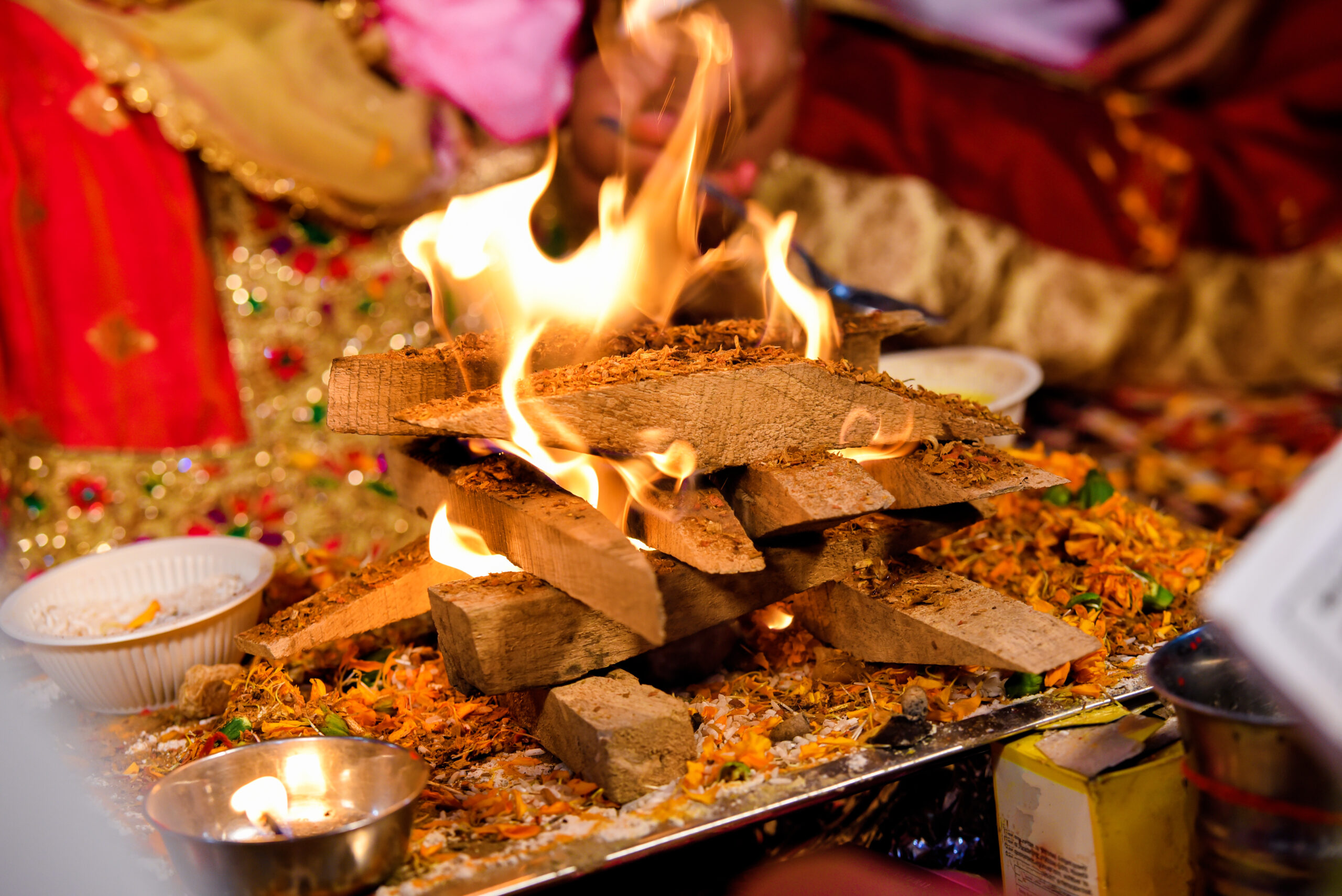
The bonfire is the centrepiece of Lohri celebrations. Built in courtyards, fields, streets, and community spaces, it is both symbolic and practical — a source of warmth and a focal point for gathering.
Symbolism of the Lohri Bonfire:
-
Honouring the Sun: The fire represents the sun’s growing strength as days lengthen.
-
Letting Go: Throwing offerings into the fire symbolises releasing negativity and hardship.
-
Community Unity: Everyone gathers around the same fire, erasing social boundaries.
Children and adults circle the bonfire, singing traditional Lohri songs, clapping, dancing bhangra or giddha, and calling out blessings for prosperity and good harvests.
It’s not a silent, solemn fire. It crackles, sparks, and occasionally causes mild panic when someone throws in peanuts a bit too enthusiastically.
Lohri and Food: Why Sharing Matters
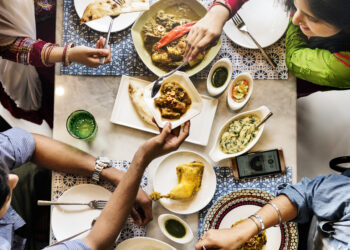
Food at Lohri is not plated or polished. It’s shared, passed from hand to hand, eaten standing up, often with fingers numb from the cold.
Lohri food represents:
-
Abundance after scarcity
-
Seasonal eating
-
Collective joy rather than individual indulgence
The foods offered to the fire are the same ones eaten by the community — a gesture of gratitude before enjoyment.
The Core Foods of Lohri
Lohri’s food traditions are beautifully simple, relying on ingredients harvested or stored during winter.
1. Til (Sesame Seeds)
Sesame seeds symbolise warmth, energy, and protection from the cold. High in healthy fats, they’re nature’s winter fuel, long before nutritionists got involved.
2. Gur (Jaggery)
Sweet, earthy jaggery balances the bitterness of winter and represents prosperity. It’s also very good at sticking to your teeth, which feels oddly festive.
3. Peanuts
Roasted peanuts are crunchy, comforting, and perfect for sharing. They’re often tossed into the fire first, then eaten by the handful.
4. Popcorn
Light, playful, and surprisingly symbolic, popcorn represents abundance and transformation. Also, children love it, which is reason enough.
These four ingredients — til, gur, peanuts, and popcorn, form the holy quartet of Lohri food.
Traditional Lohri Sweets: Small but Mighty
Lohri sweets are humble, homemade, and deeply satisfying.
1. Gajak
A brittle made from sesame seeds and jaggery, gajak is winter in edible form. Crunchy, warming, and faintly addictive.
2. Rewari
Similar to gajak but often round and slightly softer, rewaries are sesame-heavy and generously sweet.
3. Til Laddoos
Sesame seed balls bound with jaggery, compact, powerful, and capable of fuelling you through both winter and awkward small talk.
These sweets aren’t fancy, but they don’t need to be. They taste like tradition.
Savoury Snacks Around the Fire
Lohri isn’t all sugar and seeds. Savoury snacks often make an appearance, especially in urban settings.
-
Makke di roti with butter
-
Sarson da saag (if someone’s feeling ambitious)
-
Pakoras and fried snacks
-
Masala chai or, in some households, something a little stronger
The idea is warmth, comfort, and sharing, not strict menus.
Lohri Songs, Dance, and the Rhythm of Food
Food and music go hand in hand at Lohri. Traditional songs tell stories of harvest, heroes, and hope. Lyrics are repetitive, catchy, and designed for group singing, no auditions required.
As the fire burns lower and plates empty, dancing begins. Bhangra steps grow bolder, dhol beats louder, and suddenly everyone believes they have excellent rhythm.
This is Lohri: joyful chaos, fuelled by sesame seeds.
Special Significance of Lohri for New Beginnings
Lohri holds special importance for:
-
Newly married couples
-
Families celebrating the birth of a son
-
First Lohri celebrations
In such cases, food sharing becomes more elaborate. Gifts, sweets, and dry fruits are distributed widely — generosity multiplied.
Lohri in Urban India: Tradition Adapts
In cities, Lohri has adapted beautifully. Bonfires may be smaller, held in housing society courtyards or terraces. Music might come from speakers rather than live dhols. Snacks may include fusion treats.
But the heart remains the same:
-
Gathering
-
Sharing food
-
Celebrating winter’s turning point
Even a tiny bonfire in a metal container can hold centuries of meaning.
Lohri in the UK and the Punjabi Diaspora
For Punjabi communities in the UK, Lohri carries extra emotional weight.
Celebrated in:
-
Community centres
-
Gardens (weather permitting)
-
Halls with very enthusiastic heaters
Food becomes a way to stay connected to home. Homemade gajak, til laddoos, and peanuts are prepared with care, often shared with neighbours curious about the crackling fire and excellent smells.
Why Lohri Food Is Perfect Winter Eating?
Long before “seasonal eating” became fashionable, Lohri food embraced it fully.
Sesame, jaggery, nuts, and grains:
-
Provide warmth
-
Boost energy
-
Support immunity
There’s wisdom in these traditions — practical, delicious wisdom.
Final Thoughts: Fire, Food, and Familiar Faces
Lohri bonfires and the food shared around them are not about spectacle. They are about continuity — seasons changing, traditions surviving, people coming together year after year.
Whether you’re throwing peanuts into a roaring village fire or sharing til laddoos in a UK living room, you’re participating in something ancient and deeply human.
At CurryBien, we celebrate festivals like Lohri because they remind us that culture lives in everyday acts — in the food we cook, the warmth we create, and the joy we choose to share.
So this Lohri, gather close, eat well, sing loudly, and let the fire do the rest.