
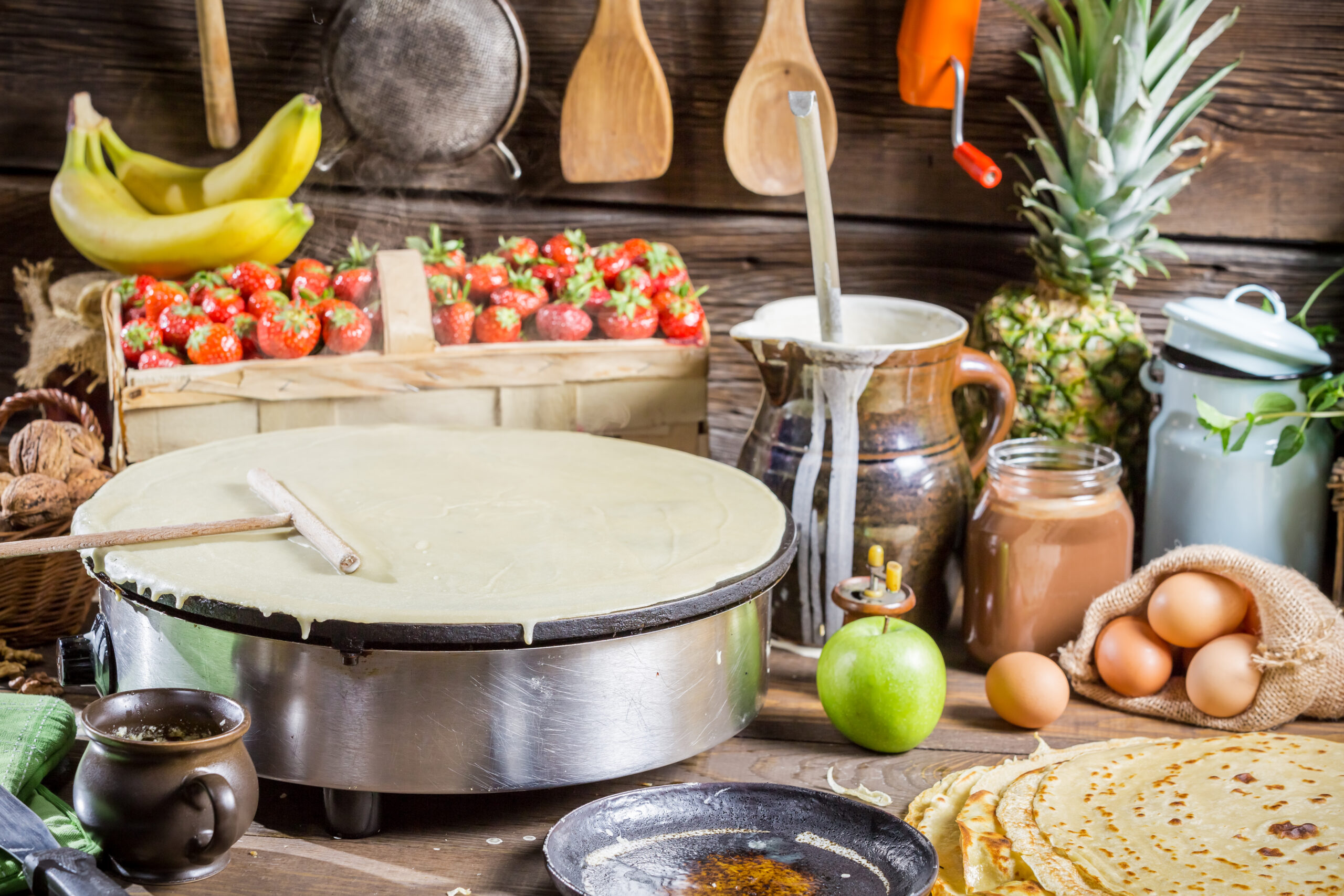
Roti making equipment has evolved from simple home tools to a variety of specialised kitchen implements, each promising to help you craft the perfect round, soft, and lightly charred roti. Whether you’re a seasoned home cook or a curious beginner, understanding the tools at your disposal can transform your roti from “slightly floppy” to “restaurant-grade delicious.” In this guide, we explore the nuances of using a tawa pan, cast iron griddles, roti presses, and the traditional belna rolling pin, providing insights into which options work best for different kitchens, skill levels, and even roti styles.

Making roti is part art, part science, and part patience. The right kitchen tools can make all the difference. A tawa pan, a flat or slightly concave griddle, has been the backbone of South Asian kitchens for generations. Its lightweight design and even heat distribution make it ideal for quick, consistent cooking. Cast iron griddles, however, bring a different set of advantages, their heft and heat retention provide deeper, more uniform charring, perfect for those who love a slightly smoky flavour. Understanding the strengths and limitations of each helps you choose the tool that aligns with your cooking style and desired texture.
Essential Roti-Making Equipment
The Tawa Pan
A tawa pan is a flat, circular griddle traditionally made from cast aluminium, steel, or non-stick materials. Its lightweight nature makes it easy to handle, and it heats quickly, allowing for efficient cooking of multiple rotis in succession. Most home cooks favour the tawa for its accessibility and minimal maintenance requirements. When using a tawa, it’s essential to preheat it adequately, too cold, and the roti may stick or cook unevenly; too hot, and it may char before the interior is soft.
Cast Iron Griddles
Cast iron offers superior heat retention, ensuring that each roti receives consistent heat for an even puff and a lightly browned surface. Unlike a tawa, a cast iron griddle can continue cooking even after being removed from direct flame, which can be useful when making large batches. The initial weight and longer preheating time are minor inconveniences compared with the flavour payoff. Regular seasoning with oil prevents sticking and adds depth to the taste.
Roti Press
For those who struggle with perfect circles, a roti press is a modern solution that flattens dough evenly in seconds. Typically made of aluminium or stainless steel, a roti press allows cooks to maintain uniform thickness, which is critical for even cooking and proper puffing. While some purists prefer hand-rolled rotis, the press can be a time-saver for busy households, especially during festivals or large family meals.
Belna (Rolling Pin)
The belna rolling pin remains an essential tool for traditionalists. Its cylindrical shape, often made from wood, allows the cook to roll dough to precise thinness while maintaining a slightly rustic texture that contributes to the roti’s signature softness and chew. Paired with a smooth board (chakla), the belna lets you control thickness, size, and roundness with finesse that no press can fully replicate — although it may take practice to master.
Comparing Tools: Pros and Cons
| Tool | Pros | Cons |
|---|---|---|
| Tawa Pan | Lightweight, quick heating, easy to handle | May not retain heat as evenly as cast iron |
| Cast Iron Griddle | Excellent heat retention, deep flavour | Heavy, requires seasoning and longer preheat |
| Roti Press | Uniform thickness, time-saving | Less tactile control, lacks traditional feel |
| Belna Rolling Pin | Precision, traditional method, tactile control | Requires skill, more effort |
Choosing the right equipment often comes down to balancing efficiency, tradition, and desired flavour. Many home cooks find that a combination, for example, belna for rolling and tawa for cooking, yields the best results.
How Each Tool Influences the Roti?
The tools you choose for roti-making influence far more than mere shape; they play a decisive role in the texture, taste, and overall sensory experience of each piece. A well-preheated tawa pan offers a delicate balance of heat, producing rotis that are soft, pliable, and dotted with those signature golden-brown spots that signal a perfect cook. The lightweight design allows for quick adjustments during cooking, so each roti can develop its ideal surface colour without overcooking. In contrast, a cast iron griddle imparts a slightly smoky, earthy flavour reminiscent of traditional village kitchens, where open fires and heavy pans shaped the taste of generations. Its superior heat retention ensures that each roti cooks evenly, creating a satisfying chew and a subtle crispness around the edges that a tawa may not always achieve.
Using a roti press brings consistency to the process, flattening dough to an even thickness with minimal effort. This ensures reliable puffing and uniform cooking, making it a practical choice for busy kitchens or large family gatherings. However, while the press saves time, it can slightly reduce the artisanal feel that comes from hand-rolling, where slight variations in thickness create pockets of air and texture that add character to the finished roti. These nuanced differences might be imperceptible to casual eaters but are often appreciated by those who value the craft and tradition behind each flatbread.
Rolling with a belna, the traditional wooden rolling pin, introduces its own subtle artistry. Its gentle pressure and the tactile feedback it provides allow cooks to adjust thickness, creating slight variations that enhance softness and chewiness while preserving that rustic, handmade charm. These slight irregularities often lead to rotis that puff beautifully in unpredictable ways, producing an eating experience that feels alive, dynamic, and rooted in tradition. In essence, the choice of equipment shapes the sensory journey, from the first glance and touch to the final bite, blending practicality, flavour, and cultural heritage into each roti you serve.
Tips for Using Roti Equipment Effectively
-
Preheat Properly – Whether using tawa or cast iron, ensure the surface is evenly heated before placing dough. A drop of water should sizzle and evaporate instantly.
-
Keep It Dry – Excess moisture on the dough or cooking surface can lead to sticking; lightly dust with flour if necessary.
-
Control Heat – Medium-high heat is ideal; too hot and the roti burns, too low and it fails to puff.
-
Rotate and Flip Quickly – Use gentle, swift movements to flip without pressing down, allowing steam to help the roti puff naturally.
-
Maintain Your Tools – Season cast iron regularly, clean non-stick tawa without harsh detergents, and ensure the belna remains smooth and free from cracks.
Beyond Tools: Ingredients Matter
Even the finest tawa, cast iron griddle, or roti press cannot make up for dough that has been hastily or improperly prepared. The foundation of a perfect roti begins with choosing the right flour, ideally one with sufficient gluten to give the dough structure and stretch. Water must be added gradually to achieve the ideal hydration, while a pinch of salt enhances flavour and helps strengthen the gluten network. Some cooks add a small amount of oil or ghee to the dough, which can improve softness and add subtle richness. Kneading thoroughly until the dough is smooth and elastic is essential, as this develops the gluten and ensures even puffing during cooking. Allowing the dough to rest for at least 20–30 minutes relaxes the gluten strands, making it easier to roll and preventing shrinkage. When these steps are done properly, your chosen equipment, whether belna, tawa, cast iron, or roti press, can truly shine, producing soft, tender, and perfectly layered rotis every time.
Modern Twists on Traditional Roti
Many UK-based home cooks are embracing creative, hybrid approaches to roti-making, blending tradition with contemporary dietary trends and personal taste. Experimenting with wholemeal flours or gluten-free blends has become increasingly popular, allowing people to enjoy rotis that cater to health-conscious diets without sacrificing texture or flavour. Some adventurous cooks even incorporate herbs and spices directly into the dough, adding layers of aroma and taste that transform a simple flatbread into a distinctive culinary experience. These adaptations demonstrate how roti can evolve alongside changing food preferences while still honouring the centuries-old techniques that underpin its creation.
Beyond ingredients, innovative combinations of traditional and modern equipment are gaining traction. For example, pairing the belna rolling pin with a cast iron griddle offers a satisfying balance between authenticity and enhanced flavour, producing rotis that are both soft and imbued with the subtle smokiness of well-retained heat. Meanwhile, a roti press allows home cooks to create miniature rotis for canapé-style presentations at dinner parties, offering a contemporary twist that preserves the taste and texture of classic roti while making serving and portioning effortless. These hybrid techniques reflect the creativity of diaspora kitchens, where cultural heritage meets modern culinary innovation, ensuring that rotis remain relevant, versatile, and irresistibly delicious in every setting.
Choosing the Right Tool for Your Kitchen
Selecting roti-making equipment is both personal and practical. Consider your kitchen space, cooking frequency, and how much you value tradition versus convenience. For occasional cooks, a non-stick tawa may suffice. For enthusiasts and purists, investing in a cast iron griddle and a belna can elevate home-cooked rotis to an art form. A roti press can complement any setup, saving time without sacrificing consistency, especially when serving guests or preparing large batches.
Wrapping Up Your Roti Journey!
Mastering roti is about more than following a recipe; it is a relationship between dough, tools, and technique. The right equipment can simplify the process, enhance flavour, and honour tradition, whether you prefer the rustic charm of a belna, the even heat of a tawa pan, or the uniformity of a roti press. Each method carries its own benefits, challenges, and subtle influences on taste and texture.
With practice and the right kitchen tools, anyone can produce rotis that are soft, tender, and perfectly cooked, a small daily triumph and a delicious connection to centuries of culinary heritage.
For more roti-making tips, kitchen tool reviews, and Indo-Caribbean cooking inspiration, be sure to follow CurryBien.