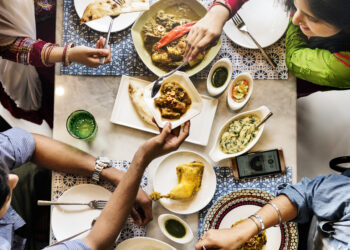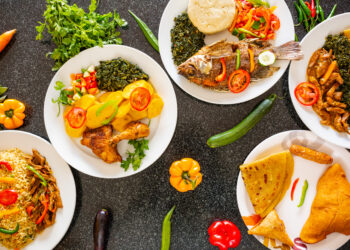

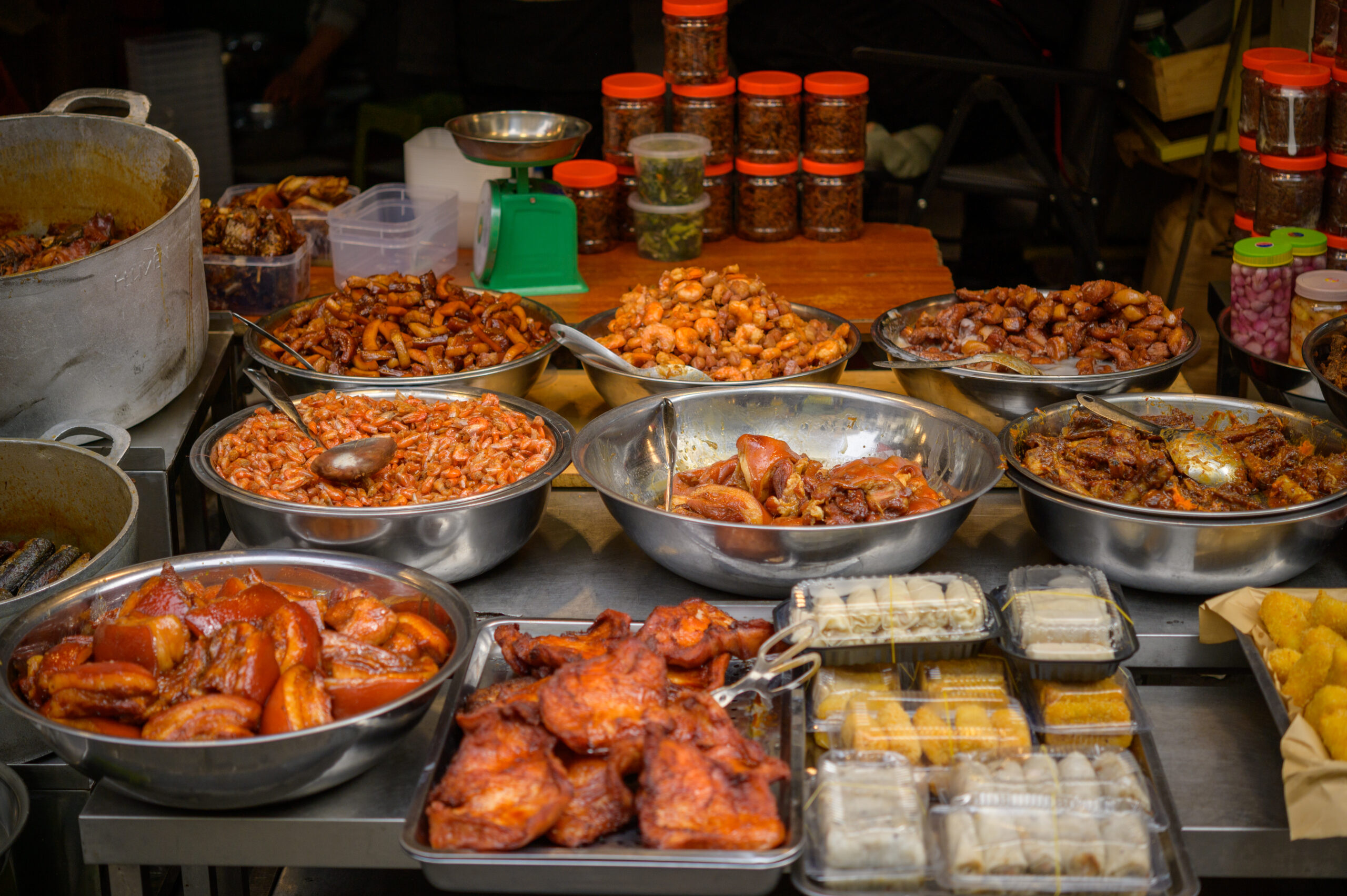
Popular Indo-Caribbean snacks are the unsung heroes of community life. They don’t arrive with fanfare or fuss, yet somehow steal the spotlight at every lime, fête, wedding, prayer, or casual “just passing through” visit that turns into a two-hour stay. In Indo-Caribbean culture, snacks are not merely fillers between meals; they are cultural connectors, emotional anchors, and edible storytellers that reflect migration, adaptation, and survival.

Whether you grew up in a Guyanese, Trinidadian, or wider Caribbean household, or you’ve come to Indo-Caribbean food through curiosity and craving, these snacks have a way of feeling instantly familiar. They are portable, shareable, deeply spiced, and almost always accompanied by commentary: who made them best, whose pepper is strongest, and why nobody ever makes them like “back home” anymore.
Why Indo-Caribbean Snacks Matter More Than We Admit?
Snacks in Indo-Caribbean households function as a form of social currency. They are brought out when guests arrive unexpectedly, when prayers conclude, when music begins to play, or when someone modestly remarks, “I’ve only made something small.” That “something small” is often sufficient to serve an entire room.
Historically, these snacks evolved from necessity. Indentured labourers from India adapted familiar recipes using Caribbean ingredients, cassava instead of potato, local peppers instead of Indian chillies, tropical herbs replacing temperate ones. Over time, these adaptations became traditions in their own right.
Today, popular Indo-Caribbean snacks reflect:
-
Diaspora resilience, adapting recipes across continents
-
Community sharing, where food is rarely eaten alone
-
Layered identity, blending Indian technique with Caribbean flavour
And importantly, they travel well, from street corners in Trinidad to community halls in London.
Pholourie: The Golden Gateway Snack
No list of popular Indo-Caribbean snacks can begin without pholourie. These light, fried split-pea fritters are the unofficial handshake of Indo-Caribbean gatherings.
Crisp on the outside, soft and airy inside, pholourie is rarely served alone. It arrives with tamarind sauce, mango chutney, or pepper sauce, sometimes all three, depending on who’s hosting.
What makes pholourie special isn’t just the taste; it’s the ritual. Bowls appear, hands reach, sauce drips, laughter follows. Someone always eats too many and claims they’re “saving space for food later.”
In the UK, pholourie has become a staple at Caribbean food stalls, family functions, and cultural festivals, often acting as a gentle introduction for newcomers to Indo-Caribbean cuisine.
Doubles: The Street Food Star
Doubles are arguably the most famous Indo-Caribbean street snack worldwide, and with good reason. Two soft bara breads, filled with curried channa, topped with chutneys and pepper sauce, folded just enough to require both hands and full attention.
At any gathering, doubles are a sign of seriousness. Someone has either:
-
Woken up early
-
Called in a favour
-
Or knows a really good doubles man
In the UK, doubles have become a cultural bridge, found at pop-ups, Caribbean markets, and increasingly mainstream food festivals, proving that popular Indo-Caribbean snacks can travel without losing their soul.
Aloo Pie: Comfort Wrapped in Pastry
Aloo pie is the Indo-Caribbean answer to portable comfort food. A spiced potato filling, seasoned with cumin, garlic, turmeric, and herbs, encased in a soft fried dough pocket.
Often sliced open and stuffed with channa, chutney, and pepper sauce, aloo pie transforms from snack to full experience in seconds.
At gatherings, aloo pie sparks nostalgia. Someone will mention school days. Someone else will argue about whether it should be crisp or soft. Everyone agrees it’s better eaten hot, preferably standing up.
For UK-based Indo-Caribbean families, aloo pie is a reminder of home, especially during community events where food becomes memory.
Saheena: Spinach, Split Peas, and Serious Flavour
Saheena may not always attract widespread attention, yet it commands deep appreciation among those familiar with its character. Prepared from finely grated dasheen bush or spinach blended with split peas, spices, and aromatics, saheena is sliced and fried until golden, resulting in a richly flavoured savoury snack.
Herbaceous and robust in profile, it is typically served with sour accompaniments and pepper sauces that enhance its depth and complexity. Saheena carries a distinctive presence, offering a boldness that sets it apart from more familiar offerings.
At social gatherings, saheena is often prepared by someone confident in their culinary skill. It is not a novice dish, and its success depends greatly on technique. When executed well, it is quickly consumed; when less successful, it is approached with polite restraint.
Within the UK Indo-Caribbean community, saheena continues to be a valued staple at religious functions and cultural gatherings, particularly among older generations who appreciate its traditional flavours and enduring authenticity.
Baigan Choka & Fry Bake: When Snacks Blur Into Meals
Baigan choka, roasted aubergine mashed with garlic, onion, and pepper, paired with fry bake, blurs the line between snack and sustenance. This combination often appears at gatherings that start casually and stretch into the evening.
Baigan choka represents the Indo-Caribbean philosophy of food: simple ingredients, layered flavour, maximum satisfaction. It’s smoky, comforting, and deeply rooted in rural Caribbean traditions.
For UK Indo-Caribbean households, baigan choka connects generations, a dish that feels grounding in unfamiliar surroundings.
Cassava Ball: Crisp Outside, Comfort Inside
Cassava balls are the ultimate party snack. Grated cassava mixed with seasoned meat or fish, rolled into balls, and fried until crisp.
They’re hearty, filling, and slightly dangerous because one is never enough. Cassava balls often appear at celebrations, birthdays, weddings, or any event where someone decided to go all out.
These snacks highlight the African-Caribbean influence within Indo-Caribbean foodways, showing how cuisines merged over time.
In the UK, cassava balls have found fans beyond the diaspora, often surprising newcomers with their richness and texture.
Mithai Meets Street Snack Culture
While mithai is often associated with religious occasions, Indo-Caribbean versions, like prasad-inspired sweets or ladoo with Caribbean flair, often appear alongside savoury snacks at gatherings.
Sweet balances savoury. Someone always saves a piece “for later” and eats it anyway.
This blending of Indian sweet traditions with Caribbean context reinforces how popular Indo-Caribbean snacks aren’t confined to one flavour profile, they tell layered stories.
Pepper Sauce: The Unofficial Snack Companion
No discussion of Indo-Caribbean snacks is complete without pepper sauce. Not a snack itself, but an essential presence.
Every household has a version. Every version is superior. Every version is dangerously underestimated by guests.
Pepper sauce transforms snacks into experiences. It sparks debates, tests bravery, and earns respect.
In the UK, homemade pepper sauce remains a point of pride, often smuggled into community events in reused bottles with handwritten labels.
Snacks as Social Glue in the UK Diaspora
For Indo-Caribbean communities in the UK, snacks play an even bigger role. They create continuity across distance.
At gatherings:
-
Snacks soften homesickness
-
Snacks create conversation
-
Snacks remind people who they are
Whether at a mandir, community hall, or living room, these foods keep culture alive in everyday moments.
Popular Indo-Caribbean snacks are often the first foods taught to younger generations, easier than full meals, more forgiving, and endlessly adaptable.
Final Thoughts: More Than Just a Bite!
Popular Indo-Caribbean snacks are street food stories written in spice, oil, and patience. They arrive without announcement, disappear without leftovers, and leave behind conversations that linger long after the plates are cleared. In doing so, they remind us that culture does not always sit formally at the centre of the table; more often, it passes quietly from hand to hand, wrapped in dough, dipped in sauce, and eaten standing up, in moments that feel ordinary yet deeply meaningful.
If these street food stories have stirred your appetite or awakened familiar memories, be sure to follow CurryBien for more Indo-Caribbean food, culture, and flavour-filled nostalgia, because there is always another snack, and another story, waiting to be shared.