
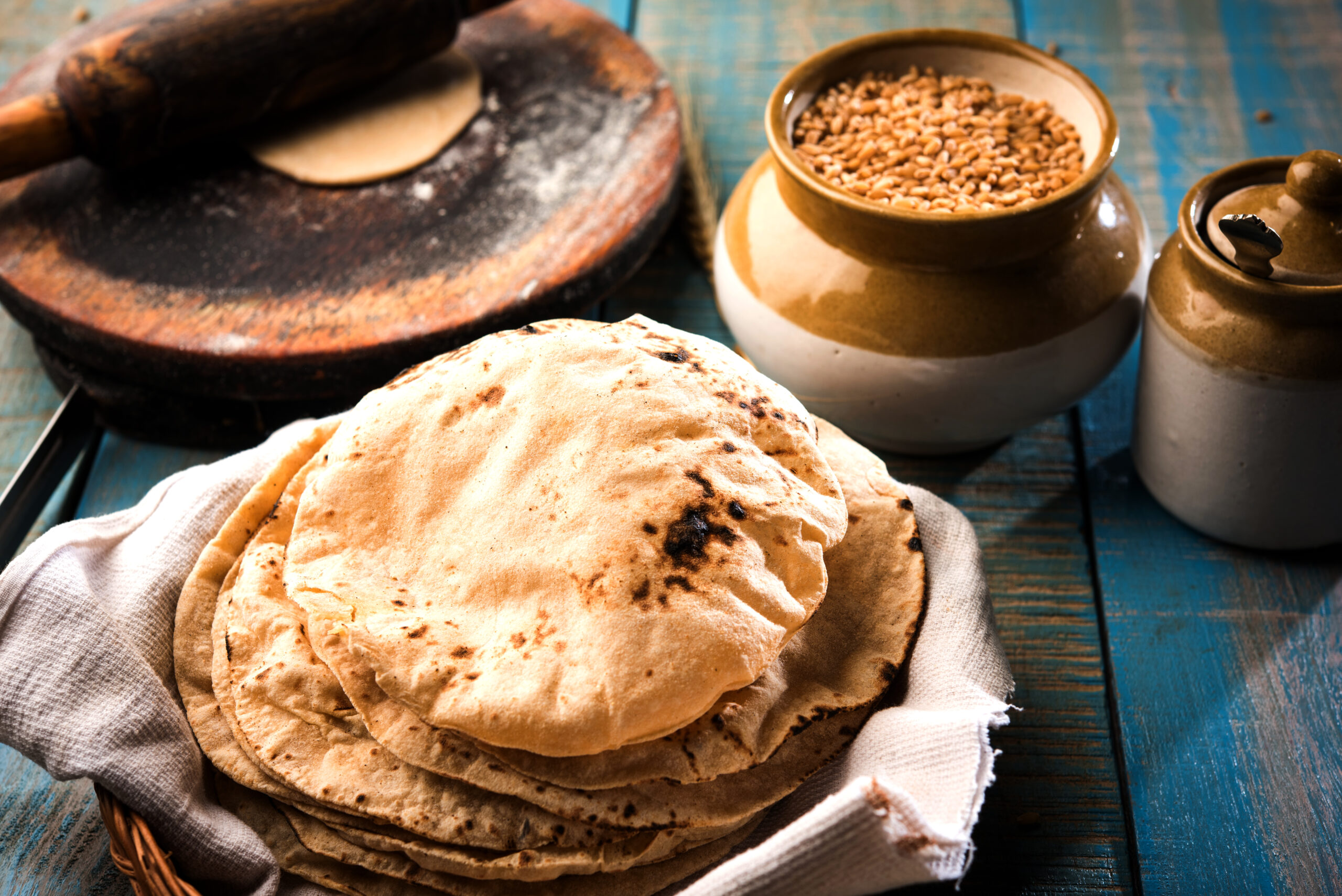
Roti isn’t just bread, and anyone who has ever torn into a warm, flaky Caribbean roti knows that statement is not exaggeration but pure culinary truth. Across Indo-Caribbean kitchens, roadside stalls, family gatherings, and Sunday lunches, roti is less of a side dish and more of a cultural symbol. It carries stories of migration, adaptation, and flavour in every fold. While outsiders may casually label it “flatbread,” Caribbean communities know that roti is a craft, a ritual, and sometimes even a competitive sport between ladies who insist theirs is the softest.

The Caribbean version of roti is a fascinating blend of Indian culinary heritage and island ingenuity. When indentured labourers from India arrived in Trinidad, Guyana, Suriname, and other Caribbean regions in the 19th century, they brought their food traditions with them. Over generations, these traditions adapted to local ingredients, climate, and taste preferences, giving birth to distinctive varieties such as buss up shut, dal puri, and paratha varieties that today define Indo-Caribbean cuisine.
The Cultural Roots of Caribbean Roti
Roti’s Caribbean journey began with Indian migrants who carried wheat flour, spices, and cooking techniques across oceans. However, what emerged in the Caribbean was not a copy-paste version of Indian rotis, but a creative evolution. Local flours differed slightly, climate affected dough texture, and Caribbean spices added bold personality. Over time, roti became central to festivals, religious events, and everyday meals.
In Indo-Caribbean households, roti is not merely cooked, it is made with intent. Grandparents often teach younger generations the art of kneading dough until smooth and letting it rest just enough. The process is meditative. The result? A bread that feels light, stretches beautifully, and absorbs curry like it was born for the task.
Buss Up Shut: The Shredded Star
Among the most recognisable Caribbean roti styles is buss up shut, a variety that holds both culinary and cultural significance within Indo-Caribbean cuisine. The name itself often sparks curiosity, yet it carries a practical explanation rooted in its appearance. “Buss up shut” translates colloquially to “burst up shirt,” a reference to the bread’s distinctive shredded and rumpled texture once it has been fully cooked and separated into layers. Unlike smooth, flat rotis, buss up shut is intentionally dishevelled, its soft strands resembling torn fabric. This visual characteristic is not accidental but rather the defining hallmark of the dish, signalling both technique and authenticity.
What distinguishes buss up shut most prominently is its texture, which is flaky, buttery, and delicately layered. Achieving this texture requires careful dough preparation, precise rolling, and the controlled application of oil or ghee during folding. The layering process allows steam to develop between folds during cooking, creating the characteristic softness and stretch that enthusiasts appreciate. The end result is a bread that is simultaneously tender and resilient, capable of absorbing rich gravies without disintegrating. Its tactile quality is central to its appeal, making it not merely a side accompaniment but an interactive component of the meal.
The preparation method further contributes to its uniqueness. The dough is rolled thin, repeatedly folded with fat, and then cooked on a heated tawa or flat pan. Once cooked, the roti is “clapped” or lightly beaten between hands or with utensils to loosen and separate the layers. This final step is essential to producing its signature shredded form and requires both practice and coordination. While the technique may appear theatrical, it serves a functional purpose, ensuring that the bread achieves the desired airy and layered structure. The process is often viewed as a display of culinary skill, with experienced cooks demonstrating remarkable speed and precision.
In terms of pairings, buss up shut is exceptionally versatile and complements a wide array of Caribbean curries and stewed dishes. Popular accompaniments include chicken curry, goat curry, channa and aloo, and other richly seasoned gravies that benefit from a soft, absorbent bread. Its layered texture allows it to scoop sauces effectively, enhancing the overall dining experience. Beyond its practical function, buss up shut embodies hospitality and communal dining traditions, often served in generous portions intended for sharing. Its preparation and presentation reflect a blend of craftsmanship and cultural pride, reinforcing its enduring popularity across generations.
Dal Puri: The Stuffed Favourite
No conversation about Caribbean roti is complete without dal puri. This variety is beloved for its soft texture and flavourful filling of seasoned split peas. The process of making dhal puri may seem intricate, but the results are undeniably rewarding. Many people searching for a dal puri recipe discover that the technique lies in balancing the dough softness with the dryness of the pea filling.
Key Characteristics of Dal Puri
- Filling: Ground yellow split peas with cumin, garlic, and spices.
- Texture: Thin, tender, and slightly chewy.
- Versatility: Excellent with dry curries or saucy dishes.
Unlike buss up shut, dhal puri remains flat and smooth, with the filling evenly distributed inside. The aroma alone can fill an entire kitchen with comfort. Families often prepare dhal puri in batches for celebrations because one is simply never enough.
Paratha Varieties: The Layered Classics
Paratha varieties form the broader culinary category under which buss up shut technically falls, yet traditional parathas also maintain their own distinct presence within Caribbean cooking. These rotis are characterised by their layered construction, achieved through a careful process of brushing the dough with oil or ghee and folding it multiple times before rolling and cooking. This technique produces a structured flakiness that distinguishes parathas from simpler flatbreads. While the origins of paratha lie in South Asian cuisine, its adaptation in the Caribbean reflects the blending of inherited culinary methods with locally available ingredients and preferences, resulting in a version that feels both familiar and regionally unique.
The defining appeal of parathas lies in their versatility of texture and finish. Thickness, softness, and crispness can all be adjusted according to household preference and cooking style. Some families favour a lightly toasted paratha that remains soft and pliable, ideal for wrapping fillings or scooping gravies with ease. Others prefer a more pronounced golden exterior, offering a subtle crunch that contrasts pleasantly with tender interior layers. These variations are not merely aesthetic but reflect personal and generational tastes, with each approach contributing to the diversity of Caribbean roti traditions.
Regardless of the chosen texture or method, parathas remain reliable and complementary accompaniments to a wide range of curry dishes and stews. Their layered structure allows them to absorb sauces without becoming overly dense, making them particularly suitable for richly seasoned meals. For those unfamiliar with Caribbean roti, parathas often serve as an accessible starting point due to their balanced flavour and adaptable form. In both casual and celebratory settings, they represent a harmonious blend of technique, heritage, and practicality, reinforcing their enduring place within Indo-Caribbean culinary culture.
Why Roti Is More Than a Side Dish?
In many cultures, bread serves as a supporting element to a meal, accompanying the main dishes without drawing particular attention to itself. In Indo-Caribbean cuisine, however, roti frequently assumes a far more prominent role and is often regarded as the true centrepiece of the dining experience. Rather than existing merely as an addition, it functions as an integral component that binds the meal together. Roti is traditionally used in place of utensils, gently torn and folded to scoop curries, vegetables, and chutneys. This method of eating is not only customary but also deeply practical, allowing the diner to control portions and combine flavours with precision.
The tactile aspect of eating roti by hand contributes significantly to its cultural and sensory value. The warmth of freshly prepared bread, the softness of its layers, and the way it absorbs gravies create an immersive culinary experience that cutlery cannot replicate. Touch, aroma, and flavour converge simultaneously, transforming the act of eating into something more personal and engaging. This multisensory interaction reinforces roti’s importance beyond nourishment, elevating it into a form of culinary participation that connects individuals to tradition and heritage.
Beyond its functional role at the table, roti also carries strong symbolic meaning within Indo-Caribbean communities. Presenting freshly made roti to guests is widely regarded as a gesture of welcome and generosity, signifying respect and warmth toward visitors. It appears at family gatherings, religious events, and celebratory occasions, while also remaining a dependable staple of everyday meals. In this sense, roti embodies both comfort and continuity, a simple yet profound expression of care, community, and cultural identity shaped into a humble circular form.
The Art of Making Roti
Though recipes vary, the fundamentals remain consistent:
- Flour Selection: All-purpose flour is common in the UK, though some cooks mix bread flour for elasticity.
- Kneading: Essential for softness. Under-kneading leads to toughness.
- Resting the Dough: Allows gluten to relax, making rolling easier.
- Heat Control: Medium heat ensures even cooking without burning.
- Oil or Ghee: Provides flavour and layering.
Many UK home cooks experiment with modern tools like non-stick tawas or cast-iron pans. Yet traditionalists often insist that technique matters more than equipment, and they are not wrong.
Roti in the UK Diaspora
Across London, Birmingham, Leicester, and other UK cities, Caribbean bakeries and takeaway shops proudly serve roti wraps filled with curried meats or vegetables. The dish has seamlessly integrated into British multicultural food scenes. Supermarkets now stock split peas, Caribbean spice blends, and even ready-made rotis, though purists may raise an eyebrow at pre-packaged shortcuts.
Community events, food festivals, and family gatherings keep roti traditions alive. For many second- and third-generation Indo-Caribbeans, learning to make roti is both a culinary skill and a cultural rite of passage.
Health and Nutrition Perspective
Roti can be both indulgent and nutritious depending on preparation. Whole-wheat flour increases fibre content, while moderate oil use keeps calories balanced. Paired with lentil curries or vegetable fillings, roti becomes a wholesome meal rich in plant-based protein and nutrients.
Of course, buss up shut drenched in ghee leans more toward indulgence, but life without occasional indulgence would be tragically bland.
Common Mistakes Beginners Make
- Skipping Dough Rest Time
- Using Too Much Flour While Rolling
- Overcooking on High Heat
- Neglecting Proper Filling Distribution in Dal Puri
Perfect roti is less about perfection and more about practice. Even misshapen rotis taste delicious, and slightly uneven circles are often badges of authenticity.
Roti and Identity
For Indo-Caribbean communities, roti is intertwined with identity. It reflects resilience, adaptation, and pride. Each family recipe carries subtle differences, more cumin here, less oil there, creating culinary fingerprints passed down through generations.
The global popularity of Caribbean food has brought roti into mainstream awareness, but its heart remains deeply personal. Whether it is buss up shut torn into silky ribbons or dhal puri stuffed with fragrant peas, roti tells a story of migration meeting creativity.
Final Thoughts: More Than Dough and Heat!
Roti isn’t just bread; it is heritage you can taste. From buss up shut theatrics to mastering a reliable dal puri recipe, and exploring the many paratha varieties, each style offers its own character and comfort. It adapts to modern kitchens yet retains ancestral charm, making it timeless rather than trendy.
In a world of fast food and fleeting culinary fads, roti stands firm, warm, soft, and unapologetically handmade. And perhaps that is its true magic: a simple combination of flour and water transformed into something that connects continents, families, and generations, one delicious tear at a time.
For readers who wish to continue discovering the richness of Indo-Caribbean cuisine, following CurryBien offers an opportunity to explore recipes, cultural insights, and culinary traditions in greater depth. Through consistent learning and appreciation, the story of roti, and the many dishes that accompany it, continues to be preserved and shared with wider audiences who value both flavour and heritage.