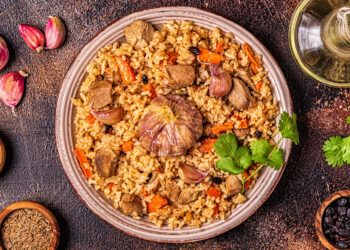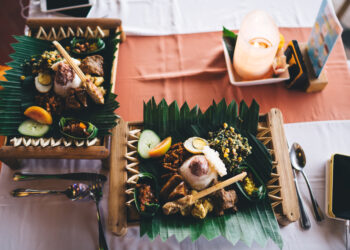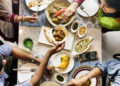


Food & Culture from Kashmir to Kanyakumari, winter in India doesn’t arrive quietly. It comes bearing bonfires and brass lamps, pilgrimages and processions, sesame sweets and steaming stews. From the snow-softened valleys of Kashmir to the sun-warmed shores of Kanyakumari, the season stitches together a remarkable calendar of festivals, each with its own rituals, rhythms, and crucially recipes.

Winter may be a single word, but in India it’s a many-splendoured experience. Temperatures dip (sometimes politely, sometimes dramatically), harvests are gathered, and communities turn to food not just for warmth, but for meaning. What follows is a journey across regions and traditions, an edible map of winter festivals that shows how culture travels by plate as much as by prayer.
Why Winter Festivals Matter in India?
India’s winter festivals sit at the crossroads of agriculture, astronomy, and ancestry. Many mark the end of harvests, the turning of the sun, or the beginning of auspicious months. Others commemorate saints, sages, and stories passed down with the patience of a slow-simmered curry.
Food anchors it all. Winter ingredients, sesame, jaggery, lentils, millet, rice, root vegetables are warming, nourishing, and deeply symbolic. They speak of abundance after toil, community after labour, and gratitude before the year turns.
And yes, winter is also when kitchens get busier, sweets get richer, and excuses for second helpings become culturally endorsed.
Kashmir: Chillai Kalan and the Comfort of Wazwan
Winter begins with a hush in Kashmir. Snow blankets the Valley, lakes glaze over, and homes turn inward. The most intense cold period, Chillai Kalan (roughly late December to late January), is not a festival in the confetti sense, but it is a season with rituals, rhythms, and revered food.
Food of the Valley
Kashmiri winter cooking is about depth and warmth:
-
Wazwan, the celebrated multi-course feast, features slow-cooked dishes like Rogan Josh, Yakhni, and Dum Aloo.
-
Harissa, a rich meat-and-rice porridge cooked overnight, is a winter staple, best eaten steaming hot on frostbitten mornings.
-
Kahwa, green tea infused with saffron, cardamom, and almonds, is both a welcome and a remedy.
Winter here is contemplative. Meals linger. Stories stretch. The cold sharpens appetites and appreciation.
Punjab: Lohri’s Bonfires, Jaggery, and Joy
If Kashmir’s winter is quiet, Punjab’s Lohri is gloriously loud. Celebrated in mid-January, Lohri marks the end of the coldest days and the promise of longer sunlight. Bonfires crackle, folk songs rise, and plates overflow.
What’s on the Lohri Platter?
-
Rewri and Gajak (sesame and jaggery sweets)
-
Peanuts and popcorn
-
Makki di Roti with Sarson da Saag
The food is warming, earthy, and celebratory, much like the people dancing around the fire. Lohri is also deeply communal; offerings are shared, blessings exchanged, and calories politely ignored.
Himachal Pradesh: Winter Fairs and Dham Feasts
Himachal’s winter festivals blend mountain spirituality with hearty fare. Local fairs honour village deities, and community feast known as Dham bring everyone together.
Mountain Comforts
-
Madra (yoghurt-based chickpea curry)
-
Rajma with rice
-
Siddu, a steamed bread stuffed with poppy seeds or walnuts
The altitude demands food with substance. The spirit demands food that’s shared.
Gujarat: Uttarayan and the Sweetness of the Sun
In January, Gujarat looks skyward. Uttarayan, the kite festival, celebrates the sun’s northward journey. Rooftops become runways, skies turn competitive, and kitchens go into overdrive.
Winter Specialities
-
Undhiyu, a slow-cooked medley of winter vegetables, fenugreek dumplings, and spices
-
Til laddoos and chikki (sesame and jaggery again—winter’s favourite duo)
-
Jalebi and fafda, because mornings require ceremony
Uttarayan is as much about flavour as flight. The food is seasonal, indulgent, and meant to be eaten between enthusiastic shouts at the sky.
Rajasthan: Desert Warmth and Festive Resilience
Rajasthan’s winters are crisp, its festivals robust. From the Desert Festival in Jaisalmer to local temple fairs, food here mirrors the land: resourceful, rich, and resilient.
Plates Built for the Cold
-
Dal Baati Churma, a trio that defies moderation
-
Ker Sangri, desert beans cooked with spices
-
Ghewar, a honeycomb sweet often made during winter festivities
Here, food is survival turned celebration, proof that scarcity can be met with creativity and generosity.
Maharashtra: Makar Sankranti and the Art of Tilgul
Across India, Makar Sankranti marks the sun’s transition into Capricorn, but Maharashtra adds its own sweetness. The custom of sharing tilgul (sesame-jaggery sweets) comes with a gentle instruction: “Tilgul ghya, god god bola”, take sweets and speak sweetly.
Sankranti Staples
-
Tilgul laddoos
-
Puran Poli
-
Khichdi with ghee
It’s a festival that understands winter’s social contract: warmth on the plate should be matched by warmth in conversation.
Bengal: Poush Sankranti and Rice Flour Magic
In West Bengal, Poush Sankranti celebrates the harvest with a dazzling array of rice-based sweets. Winter mornings here are misty, markets brim with new rice, and kitchens smell faintly of jaggery and coconut.
Bengali Winter Delights
-
Pithe (rice flour cakes—steamed, fried, or stuffed)
-
Payesh (rice pudding with date palm jaggery)
-
Nolen gur sweets, prized for their smoky sweetness
These are foods that require patience, best enjoyed slowly, preferably with a second cup of tea.
Odisha: Dhanu Sankranti and Temple Kitchens
Odisha’s Dhanu Sankranti sees temple kitchens at their busiest. The famed Khechudi Bhoga at Puri’s Jagannath Temple is prepared in enormous quantities, a sacred meal that feeds thousands.
Temple Food, Winter Heart
-
Khichdi with ghee
-
Enduri Pitha, steamed in turmeric leaves
-
Chuda mixtures with jaggery and coconut
Sacred food here blurs the line between ritual and nourishment—a theme winter festivals across India know well.
The Deccan: Sankranti Feasts and Seasonal Grains
Across Telangana, Andhra Pradesh, and Karnataka, Sankranti becomes a multi-day celebration of harvest, cattle, and cuisine.
Southern Winter Plates
-
Pongal (sweet and savoury)
-
Ariselu, deep-fried rice and jaggery sweets
-
Ellu Bella, a mix of sesame, jaggery, coconut, and nuts
These foods honour farmers and fields, reminding everyone that winter plenty is earned.
Kerala: Quiet Winters, Vibrant Tables
Kerala’s winter is gentle, but its festival calendar is rich. While Onam is the star, winter months host temple festivals and Christian celebrations where food plays a central role.
Seasonal Comforts
-
Appam and stew
-
Fish curries with tamarind
-
Plum cake during Christmas
Here, winter food is less about fighting the cold and more about marking moments—faithful, festive, and flavourful.
Tamil Nadu: Pongal and Gratitude on a Banana Leaf
As winter stretches south, Pongal takes centre stage. Celebrated over four days, it is Tamil Nadu’s thanksgiving to the sun, cattle, and earth.
Pongal on the Plate
-
Sakkarai Pongal (sweet rice with jaggery, ghee, and cashews)
-
Ven Pongal (peppery, savoury comfort)
-
Sugarcane and turmeric
Meals are served on banana leaves, eaten with gratitude, and often followed by naps that winter politely permits.
Kanyakumari: Where Seasons Meet and Plates Reflect It
At India’s southern tip, winter is mild, but festivals remain meaningful. Food reflects the convergence of cultures- Tamil, Kerala, coastal- resulting in dishes that are light yet soulful.
Rice, coconut, lentils, and seafood dominate, proving that winter’s spirit travels even where chill does not.
What Ties India’s Winter Festivals Together?
Across regions, languages, and landscapes, common threads emerge:
-
Sesame and jaggery for warmth and energy
-
Community meals that dissolve hierarchy
-
Seasonal ingredients respected and celebrated
-
Rituals that feed both body and belonging
Winter festivals are India’s way of saying thank you to the land, the sun, the harvest, and each other.
A Gentle Note on Modern Tables
Today, winter festival foods travel faster than ever, across states, countries, and social feeds. While kitchens modernise and menus expand, the essence remains intact: food as memory, culture as comfort.
You may eat Pongal in London or tilgul in Leicester, but the feeling is unmistakably Indian and unmistakably winter.
Final Thoughts!
India’s Winter Festival Calendar: Food & Culture from Kashmir to Kanyakumari reveals a country that understands seasons not just meteorologically, but emotionally. Winter here is not endured, it is welcomed, cooked for, and celebrated.
From the smoky warmth of Kashmiri harissa to the sun-kissed sweetness of Pongal, India’s winter festivals offer a masterclass in how food sustains culture. They remind us that while temperatures may drop, generosity rises, and that the best way to understand a place is often to start with what’s simmering on the stove.
For more information and insightful stories, continue visiting CurryBien.