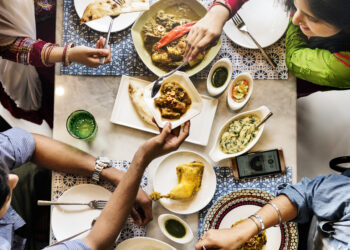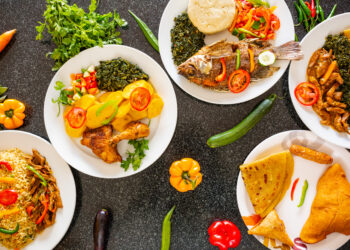


Migration Has Shaped the Way the World Eats Today in ways both obvious and quietly transformative. Every plate of food carries a story, and quite often that story involves movement — people leaving one place, settling in another, and bringing along their cherished recipes, spices, cooking techniques, and culinary memories. Over centuries, migration has blended cultures, reshaped ingredients, and created entirely new cuisines. What we now recognise as global food culture is, in many ways, a delicious record of human journeys.

Food travels with people. When communities relocate due to trade, colonisation, work opportunities, or simply the promise of a better life, they bring their food traditions with them. Over time, those traditions adapt to new ingredients, new climates, and new neighbours. The result is a dynamic and ever-evolving culinary landscape shaped by global food culture, migration and cuisine.
The Historical Roots of Culinary Migration
Human migration and food have always gone hand in hand. Long before international airports and shipping containers, ancient trade routes were already spreading flavours across continents.
The Silk Road, for instance, carried spices, grains, fruits, and cooking methods between Asia, the Middle East, and Europe. Ingredients like cinnamon, pepper, and nutmeg became prized commodities, changing European cooking forever.
Similarly, maritime trade between India, Africa, and Southeast Asia helped circulate foods such as:
- Coconut
- Rice varieties
- Tamarind
- Chillies
- Sugar cane
Many ingredients that feel native to certain cuisines today actually travelled vast distances centuries ago.
Even something as familiar as the chilli pepper has a migration story. Originally from the Americas, chillies spread globally after the 15th century through trade and colonisation. Today, it’s difficult to imagine Indian curries, Thai stir-fries, or Caribbean jerk seasoning without them.
Migration, therefore, didn’t just move people. It moved flavour.
Colonisation and the Birth of New Food Traditions
One of the most significant influences on global food culture, migration and cuisine came during the era of colonisation. European powers transported people, sometimes voluntarily, sometimes forcibly, across continents.
This movement created entirely new culinary identities.
Indo-Caribbean Cuisine
A well-known example is Indo-Caribbean cuisine. When indentured labourers from India travelled to the Caribbean in the 19th century, they brought spices, cooking styles, and recipes with them.
However, they had to adapt to the ingredients available in their new home. Wheat flour, local vegetables, tropical fruits, and Caribbean spices slowly transformed traditional dishes.
The result?
Unique creations such as:
- Curry goat
- Doubles
- Roti wraps
- Tamarind chutney with Caribbean flair
These dishes combine Indian cooking traditions with Caribbean ingredients and influence, forming a distinctive cultural cuisine.
Ingredient Adaptation: Cooking With What You Have
Migration often forces cooks to adapt their recipes to whatever ingredients are available in their new home. This creative adjustment is one of the key ways cuisines evolve.
Imagine arriving in a new country only to discover that half the ingredients for your favourite family recipe are unavailable. The solution? Improvisation.
Over generations, these substitutions become permanent parts of the dish.
For example:
- Indian migrants in the Caribbean replaced certain vegetables with local produce.
- Chinese immigrants in America adjusted stir-fry dishes using regional vegetables.
- Italian immigrants in the United States used locally available cheeses and meats.
Eventually, these adaptations develop into their own recognised cuisine styles.
Italian-American food, for example, differs significantly from traditional Italian cooking, yet both are beloved in their own right.
The Rise of Fusion Cuisine
Modern migration has accelerated the rise of fusion cuisine, where different culinary traditions combine deliberately to create something new.
Restaurants around the world now celebrate this blending of cultures. Chefs mix techniques, ingredients, and presentation styles from multiple traditions.
Examples include:
- Korean tacos
- Sushi burritos
- Butter chicken pizza
- Ramen burgers
While purists might raise an eyebrow, fusion cuisine represents the natural continuation of migration-driven food evolution.
After all, many “traditional” dishes today were once innovative combinations centuries ago.
Migration and Street Food Culture
Street food is perhaps the most visible example of migration shaping everyday meals.
Cities such as London, New York, Toronto, and Singapore thrive on diverse street food scenes created by migrant communities.
Walk through a busy market and you might encounter:
- Caribbean jerk chicken stalls
- Turkish kebab shops
- Indian chaat vendors
- Vietnamese pho stands
- Mexican taco trucks
Each stall tells a migration story.
These foods often start as comfort meals for immigrant communities before becoming widely loved by locals and tourists alike.
Diaspora Communities and Culinary Preservation
Migration doesn’t just create new dishes. It also helps preserve culinary traditions that might otherwise fade away.
Diaspora communities often maintain strong food traditions as a way to stay connected to their heritage.
Family recipes are passed down through generations, festivals are celebrated with traditional meals, and community restaurants become cultural hubs.
For many migrants, cooking traditional food is about more than taste. It’s about identity, memory, and belonging.
Food becomes a bridge between past and present.
The Influence of Global Cities
Large multicultural cities have become powerful centres of culinary innovation.
Take London as an example. The city’s diverse population has transformed its food scene dramatically over the past few decades.
Today, London offers:
- Caribbean bakeries
- Indian curry houses
- Middle Eastern grill restaurants
- Nigerian street food spots
- Japanese ramen bars
The result is a vibrant dining landscape that reflects centuries of migration.
This phenomenon is visible worldwide. Cities act as melting pots where flavours, techniques, and ingredients interact daily.
And in these urban kitchens, the future of global cuisine is constantly being invented.
Migration and the Supermarket Revolution
Migration has also changed the way people shop for food.
Ingredients that were once difficult to find are now readily available in many supermarkets thanks to global demand.
For instance, many UK grocery stores now stock:
- Plantain
- Cassava flour
- Paneer
- Scotch bonnet peppers
- Coconut milk
- Asian herbs and sauces
These products reflect the tastes of diverse communities and the globalisation of cooking.
Home cooks are increasingly adventurous too. People happily experiment with flavours from around the world, turning everyday kitchens into miniature global kitchens.
Social Media and the Global Spread of Food Culture
In the past, culinary exchange happened slowly. Recipes travelled through migration, trade, and printed cookbooks.
Today, social media accelerates the process dramatically.
Platforms like Instagram, TikTok, and YouTube spread food trends worldwide almost instantly.
A dish created in Seoul can go viral in London within hours. A Caribbean street food vendor might inspire home cooks in Australia.
Migration and technology now work together to shape global food culture.
Recipes cross borders faster than ever.
The Emotional Side of Food Migration
Food is deeply emotional. Migrants often recreate familiar dishes to combat homesickness and maintain cultural identity.
The smell of spices, the taste of childhood recipes, and the ritual of shared meals provide comfort in unfamiliar surroundings.
Food helps people feel at home even when they are thousands of miles away.
It also introduces others to those traditions.
Many beloved global dishes became popular because migrants shared their cooking with neighbours, friends, and local communities.
One meal at a time, cultures connect.
Challenges and Cultural Respect
While fusion cuisine and global food sharing are exciting, they also raise important conversations about cultural respect and authenticity.
Many chefs and communities emphasise the importance of acknowledging culinary origins and respecting traditional cooking methods.
Migration-created cuisine should celebrate heritage rather than erase it.
Understanding the history behind a dish makes enjoying it even more meaningful.
After all, every recipe represents generations of knowledge, adaptation, and cultural pride.
The Future of Global Food Culture
Migration continues to shape food today, and its influence will only grow stronger.
Climate change, global travel, international careers, and multicultural societies are all increasing cultural exchange.
Future cuisines will likely blend traditions in ways we can’t yet imagine.
Perhaps tomorrow’s favourite dish will combine ingredients from five continents. Perhaps new cooking techniques will emerge from unexpected cultural collaborations.
If history teaches us anything, it’s that food constantly evolves.
And migration will always remain one of its most powerful ingredients.
A World Connected Through Food
From ancient trade routes to modern street food markets, migration has shaped the way people cook, eat, and share meals across the planet.
What began as survival, adapting recipes to new environments, eventually produced some of the world’s most beloved cuisines.
The story of global food culture, migration and cuisine is really the story of humanity itself: movement, adaptation, creativity, and connection.
Every bite carries a history lesson, whether we realise it or not.
And if you enjoy discovering the fascinating stories behind global flavours, cultural food traditions, and Indo-Caribbean cuisine, be sure to follow CurryBien, because the world’s tastiest journeys often begin with a single story on your plate.