
Indo-Caribbean weddings in the UK are no longer confined to traditional templates or inherited scripts. They are becoming dynamic cultural events shaped by migration stories, modern lifestyles, interfaith relationships, social media aesthetics, and the simple reality that British weather cannot always be trusted to cooperate with outdoor mandaps. While the essence remains familiar, rituals, food, family involvement, and music, the format, scale, and symbolism are shifting in fascinating ways.
For many British Indo-Caribbean couples, a wedding is not just a union of two people but a celebration of identity that spans continents. The result is a ceremony that may begin with ancient Vedic chants or Christian hymns, flow into a steelpan cocktail hour, and end with a DJ blending chutney, dancehall, soca, and Bollywood hits. It is cultural fusion not as a trend, but as lived reality.
The Rise of Personalised Rituals
Traditional Indo-Caribbean weddings historically followed structured religious or cultural blueprints. Today in the UK, couples are increasingly tailoring ceremonies to reflect their personal journeys. Some still choose full traditional Hindu, Muslim, or Christian rites, while others blend multiple practices into one cohesive event.

For instance, a Hindu ceremony might be shortened to accommodate venue restrictions or guest schedules, while still preserving key rituals like the exchange of garlands or sacred fire offerings. Christian Indo-Caribbean weddings may incorporate Caribbean gospel choirs alongside Indian-style floral décor. Interfaith weddings often merge symbolic elements, such as lighting a unity candle alongside a traditional rice or flower blessing.
This shift does not dilute tradition; rather, it demonstrates a confident ownership of culture. Couples are no longer afraid to say, “We respect the roots, but we also live in the present.”
Venues Reflecting Cultural Duality
Venue choices for Indo-Caribbean weddings in the UK reveal much about changing priorities, lifestyles, and generational outlooks. Community halls, temples, mosques, and churches continue to hold strong cultural and emotional significance, particularly for families who value familiarity and spiritual continuity. However, alongside these traditional spaces, there has been a noticeable rise in couples selecting luxury hotels, countryside manor houses, converted barns, botanical gardens, and heritage estates. These venues provide both visual grandeur and logistical convenience, offering experienced event teams, adaptable décor options, and the capacity to host multi-day celebrations without constant relocation. For couples balancing extended family expectations with modern efficiency, this blend of elegance and practicality is highly appealing.
Another factor influencing venue selection is the desire for immersive experiences rather than single-day events. Many Indo-Caribbean weddings in the UK now span several functions, engagement parties, mehndi nights, religious ceremonies, receptions, and post-wedding brunches and venues that can accommodate consecutive bookings or on-site accommodation are particularly sought after. This approach not only simplifies coordination but also allows guests travelling from different cities or countries to remain together, strengthening the communal aspect that is central to Indo-Caribbean culture. The venue becomes more than a backdrop; it transforms into a temporary cultural hub where stories, laughter, and rituals unfold across days rather than hours.
Outdoor ceremonies are increasingly popular during the British spring and summer months, driven by the appeal of natural lighting, open skies, and expansive photographic opportunities. Gardens, lakeside settings, and landscaped estates allow couples to incorporate vibrant mandaps, floral arches, and traditional décor in visually striking ways. Yet, British weather remains a famously unpredictable participant in the proceedings. As a result, contingency planning has become almost as important as colour schemes. Marquees with transparent roofing, heated tents, portable flooring, and elegantly draped canopies are now standard considerations rather than last-minute additions. Couples often work closely with planners to ensure that rain plans are as aesthetically pleasing as sunshine plans.
Interestingly, the uncertainty of weather has also encouraged creativity. Umbrellas coordinated with bridal party colours, decorative shawls for evening guests, and thoughtfully placed heaters have turned potential inconveniences into charming design features. A brief drizzle is no longer viewed as a disruption but as an atmospheric detail, one that photographers sometimes welcome for its reflective surfaces and softer lighting. In many ways, this adaptability mirrors the broader Indo-Caribbean diaspora experience: flexible, resourceful, and capable of turning unpredictability into something memorable rather than stressful.
Fashion: Tradition Meets Contemporary Elegance
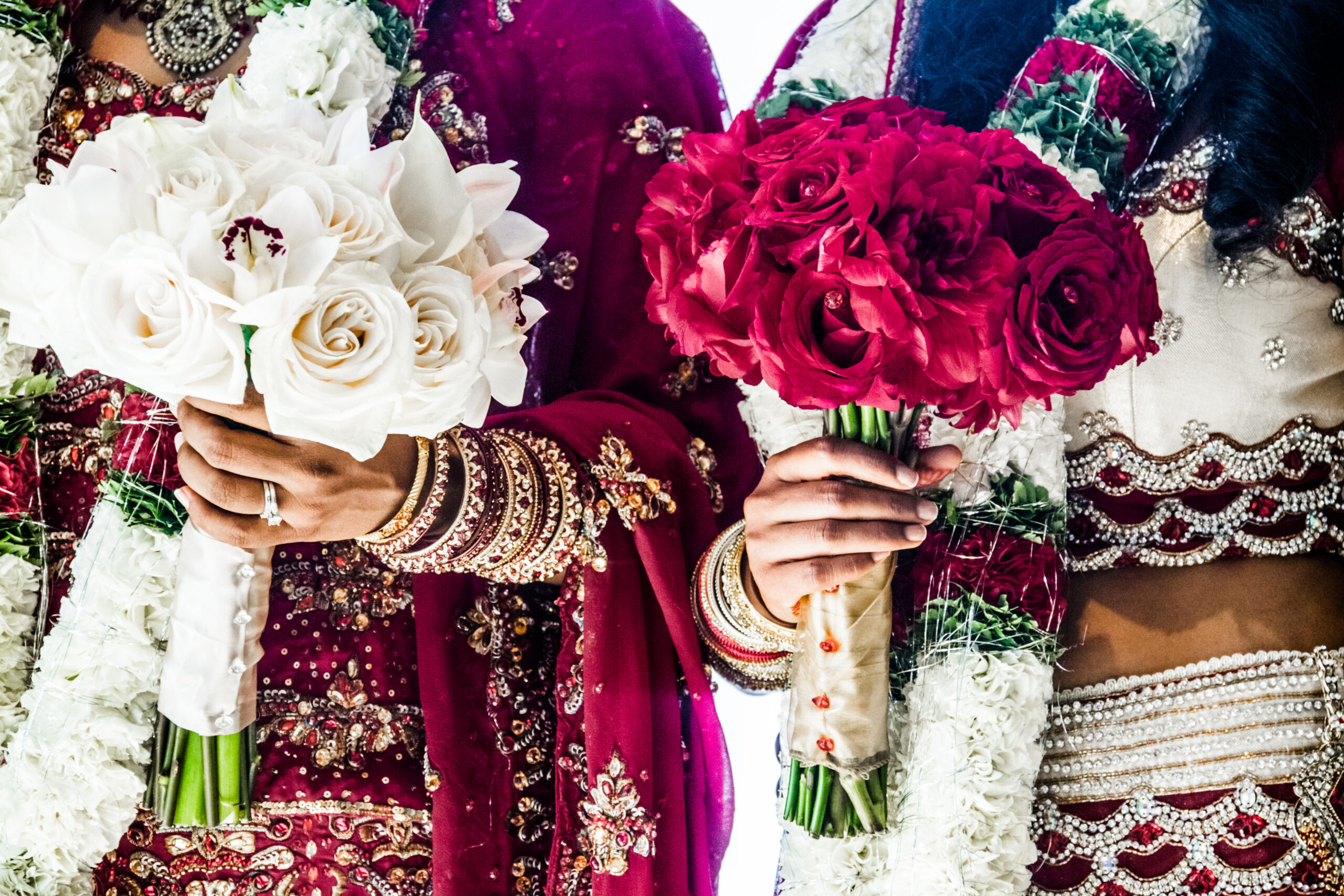
Wedding attire within Indo-Caribbean communities has transformed dramatically. While traditional saris, lehengas, sherwanis, and kurta sets are still worn with pride, many couples now integrate Western silhouettes or contemporary tailoring.
Brides may choose a pastel lehenga instead of the classic red, or a white gown for the reception paired with Indian jewellery. Grooms might wear a tuxedo for the evening and a traditional outfit for the ceremony. Mixed-heritage couples often showcase both cultural wardrobes across multiple events, effectively turning weddings into fashion narratives.
UK-based designers and South Asian boutiques have recognised this demand, offering bespoke fusion collections that cater specifically to Indo-Caribbean aesthetics. The result is a visual harmony that honours ancestry while embracing individuality.
Food: The Unchanging Centrepiece
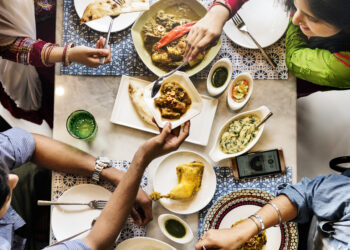
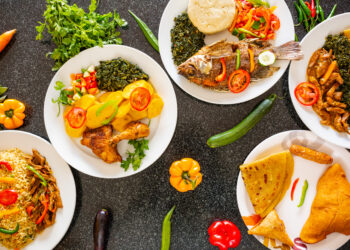
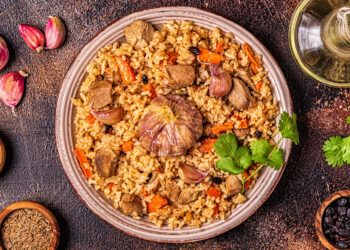
If there is one element that refuses to evolve too far, it is food. Indo-Caribbean weddings in the UK remain unapologetically food-centric. Guests expect generous servings, multiple courses, and flavours that evoke home, whether that home is Trinidad, Guyana, Suriname, or Jamaica.
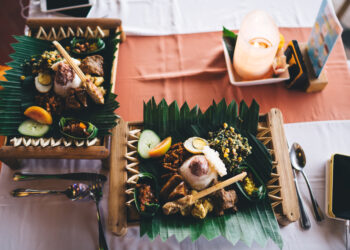
However, the presentation and variety have expanded. Traditional dishes such as curry goat, roti, pelau, dhal, and fried plantain are now accompanied by modern additions like live chaat stations, vegan Indo-Caribbean platters, gourmet dessert tables, and international fusion options. Caterers are also adapting menus to dietary preferences, offering gluten-free, plant-based, and allergen-friendly alternatives.
Buffets are evolving into curated food experiences, with labelled dishes, decorative plating, and themed food corners. The expectation is no longer just abundance, but thoughtful abundance.
Digital Influence and Social Media Aesthetics
Social media platforms have become powerful influences on Indo-Caribbean weddings in the UK. Couples now curate wedding hashtags, hire content creators alongside photographers, and design décor with Instagram visibility in mind. Floral arches, neon signs, coordinated bridal parties, and choreographed entrances are increasingly common.
Pinterest boards and TikTok trends shape colour palettes, outfit ideas, and reception themes. Yet, despite the digital polish, authenticity remains central. The aim is not to replicate a template but to showcase cultural pride in visually engaging ways.
This digital evolution has also expanded vendor networks. Couples can easily discover UK-based decorators, DJs, and caterers specialising in Indo-Caribbean weddings, allowing for more refined planning and creative expression.
Music: A Multi-Genre Celebration
Music at Indo-Caribbean weddings has always been diverse, but UK celebrations have elevated this diversity to new levels. Steelpan ensembles, tassa drummers, chutney singers, Bollywood DJs, reggae bands, and contemporary playlists often coexist within the same event.
Reception playlists typically span generations, ensuring that grandparents hear classics while younger guests enjoy modern beats. The dance floor becomes a cultural meeting point where traditions blend seamlessly. It is not unusual to see bhangra moves transition into soca jumps within minutes.
Changing Guest Dynamics and Community Roles
Traditional weddings often involved entire extended families taking on organisational roles. In the UK, professional planners and coordinators are increasingly employed, reducing logistical stress while allowing families to participate more as guests than event managers.
Guest lists have also diversified. Mixed-heritage marriages, multicultural friendships, and inter-community networks mean that weddings often serve as introductions to Indo-Caribbean culture for many attendees. This inclusivity has influenced ceremony explanations, menu labelling, and music selections to ensure that all guests feel engaged.
Sustainability and Conscious Choices
A notable modern shift within Indo-Caribbean weddings in the UK is the growing interest in sustainability and environmentally conscious planning. Couples are increasingly aware that large celebrations can generate significant waste, and many are choosing thoughtful alternatives without diminishing the joy or grandeur of the occasion. Eco-friendly décor made from reusable materials, digital invitations instead of printed cards, recyclable signage, and biodegradable confetti are becoming more common. Florists are also seeing higher demand for locally sourced or seasonal flowers rather than imported arrangements, reducing both cost and carbon footprint while still maintaining visual impact.
Catering choices are evolving alongside décor decisions. Some couples now prioritise reducing food waste by opting for carefully planned menus, smaller buffet spreads, or donation arrangements with local charities. Reusable table settings, glassware instead of disposable cups, and cloth napkins rather than paper alternatives are increasingly preferred. Wedding favours, once often novelty items destined for drawers, are now practical or edible, such as spice jars, seed packets, or homemade sweets, ensuring they are appreciated rather than discarded. These subtle shifts illustrate how sustainability can be woven into tradition rather than positioned against it.
Beyond the practical adjustments, these decisions reflect a broader societal awareness among younger generations who value responsibility alongside celebration. Smaller guest lists, daytime ceremonies, and intimate receptions are sometimes chosen not only for environmental reasons but also for financial sensibility and emotional closeness. Importantly, these changes do not diminish the vibrancy or warmth associated with Indo-Caribbean weddings; instead, they demonstrate that cultural festivities can evolve thoughtfully. The music still plays, the colours remain bright, and the food remains generous, but with a quieter understanding that celebration and consciousness can comfortably coexist.
The Emotional Core Remains Intact
Despite all the visible transformations, the emotional foundation of Indo-Caribbean weddings in the UK remains unchanged. They are still gatherings defined by warmth, generosity, humour, and collective participation. Elders continue to offer blessings, families still assemble for pre-wedding rituals, and laughter continues to travel faster than any carefully curated playlist.
What has changed is not the heart of the celebration, but its expression. Modern Indo-Caribbean weddings are reflections of diaspora identity, confident, adaptive, and unafraid to innovate while respectfully honouring the past.
In essence, these weddings illustrate that culture is never static; it evolves alongside the people who carry it. Décor trends may come and go, but one constant remains reassuringly reliable: no guest leaves an Indo-Caribbean wedding in the UK hungry, underdressed, or short of memorable dance-floor stories.
For more insights into Indo-Caribbean traditions, culture, and celebrations, be sure to follow CurryBien.