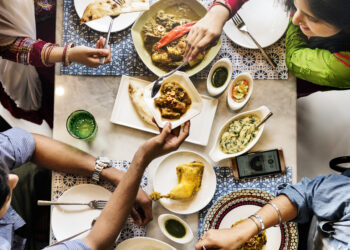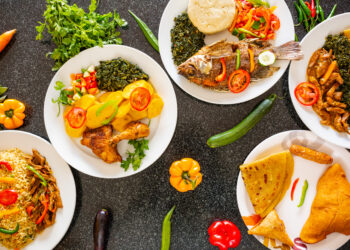

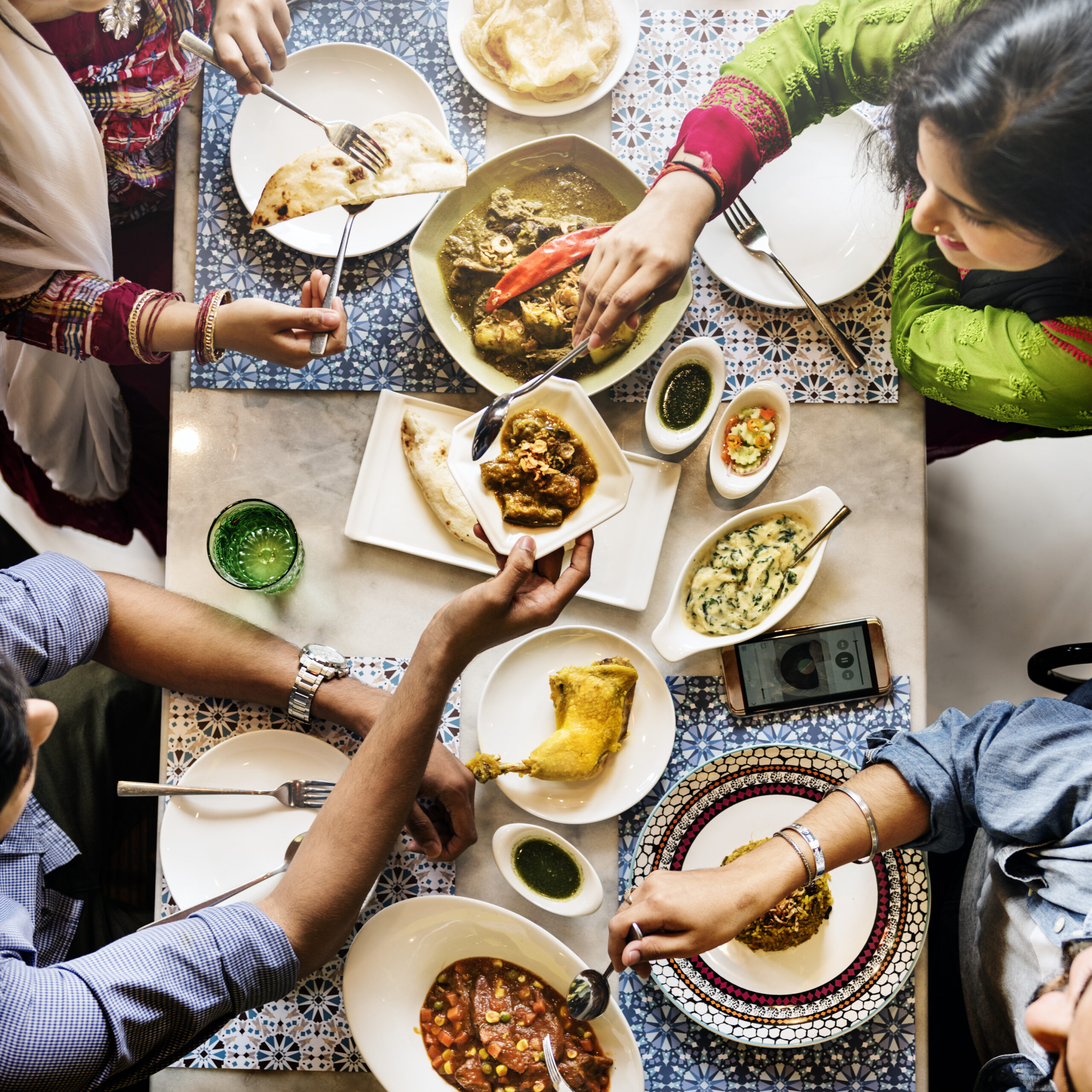
Global Comfort Foods have a curious power that goes far beyond the plate. One spoonful of something warm, familiar, and lovingly cooked can quiet a stressful day faster than most wellness routines. Whether it’s a bubbling pot on the stove, the smell of spices in the air, or the first bite of something your grandmother would approve of, comfort food speaks a language every culture seems to understand.

Across continents and communities, people turn to certain dishes when they need reassurance, celebration, or simply a reminder of home. What’s fascinating is not just how different these foods look, but how similar the emotional pull behind them really is. From the Caribbean to South Asia and far beyond, comfort food culture reveals something deeply human: we don’t just eat to survive, we eat to feel.
Let’s explore why some dishes travel straight to the heart, the stories behind their origins, and how traditional family dishes continue to shape kitchens around the world.
What Exactly Makes Food “Comfort Food”?
Comfort food is less about fine dining and more about emotional resonance. It’s the meal you crave when you’re tired, homesick, celebrating, or in need of something quietly reassuring.
Typically, global comfort foods share a few familiar traits:
- Warm and filling
- Rich in flavour (often gently spiced rather than aggressively hot)
- Tied to childhood or family memories
- Simple but satisfying
- Often carb-friendly
But perhaps most importantly, comfort food carries memory. It reminds people of who cooked for them, where they ate it, and how it made them feel at the time.
The Emotional Connection: Why These Dishes Matter?
Food and emotion have always been closely linked. Long before takeaway apps and meal kits, cooking was one of the most reliable ways families showed care.
The Science Bit
When we eat foods associated with happy memories, the brain releases feel-good chemicals like dopamine. This is why a simple bowl of something familiar can feel surprisingly soothing after a long day.
In many households, especially across Indo-Caribbean communities, food isn’t just nourishment, it’s storytelling. Recipes are passed down verbally, measurements are suspiciously vague, and the real secret ingredient is usually patience.
Comfort Food Culture Across the World
While the ingredients vary widely, the emotional blueprint of comfort food looks remarkably similar everywhere.
1. South Asia: Dal and Rice
Few meals capture traditional family dishes quite like dhal and rice. Found in countless Indian and Indo-Caribbean homes, this humble pairing is the definition of everyday comfort.
Origins:
Dhal has roots stretching back thousands of years in the Indian subcontinent, where lentils were a reliable, affordable protein source.
Why it comforts:
- Soft textures
- Gentle, warming spices
- Easily digestible
- Deeply associated with home cooking
In many households, dhal and rice is the meal that appears when someone is under the weather — culinary reassurance at its finest.
2. Indo-Caribbean: Roti and Curry
Few dishes embody comfort food culture in the Caribbean quite like a warm roti filled with curry. Brought to the region by Indian indentured labourers in the 19th century, roti evolved into something uniquely Indo-Caribbean.
Origins:
Indian flatbreads met Caribbean ingredients and bold seasoning traditions.
Why it comforts:
- Handheld and satisfying
- Rich but balanced spices
- Deep family associations
- Perfect for sharing
There’s also something psychologically pleasing about tearing roti by hand, it slows you down and makes the meal feel more intentional.
3. Caribbean: Rice and Peas
Across the Caribbean, rice and peas appears at Sunday lunches, celebrations, and everyday meals alike.
Origins:
A blend of African, Indigenous, and colonial influences shaped this now-iconic dish.
Why it comforts:
- Creamy coconut undertones
- Gentle seasoning
- Familiar weekly ritual
- Often served at family gatherings
For many Caribbean families in the UK diaspora, the smell alone is enough to trigger instant nostalgia.
4. Italy: Pasta al Pomodoro
Italy’s comfort food contribution is elegantly simple. Pasta with tomato sauce proves that comfort doesn’t always require complexity.
Origins:
Tomatoes arrived in Europe in the 16th century, and Italian cooks quickly transformed them into the now-beloved sauce.
Why it comforts:
- Soft, satisfying texture
- Mild acidity balanced with sweetness
- Simple ingredients
- Strong childhood associations
It’s also wonderfully forgiving, even enthusiastic amateur cooks can usually manage a respectable version.
5. United Kingdom: Shepherd’s Pie
British kitchens have their own deeply rooted comfort classics, and shepherd’s pie sits proudly among them.
Origins:
Created as a practical way to use leftover roast meat in the late 18th century.
Why it comforts:
- Warm, hearty filling
- Creamy mashed potato topping
- Oven-baked cosiness
- Strong association with family dinners
On a grey UK evening (which, let’s be fair, is most evenings), few dishes feel more appropriate.
Why Family Traditions Keep Comfort Foods Alive?
One of the strongest forces behind global comfort foods is simple: family repetition.
In many cultures, certain dishes appear reliably:
- Sunday lunches
- Religious celebrations
- Illness recovery meals
- Festive gatherings
- Rainy-day cooking
Over time, these patterns become emotional anchors. Even after people move countries, as many Indo-Caribbean families have, the recipes travel with them.
This is why traditional family dishes often remain unchanged for generations. They’re not just recipes; they’re edible heritage.
The Diaspora Effect: When Comfort Foods Travel?
Migration has played a huge role in shaping modern comfort food culture, especially in the UK.
Indo-Caribbean communities, for example, have beautifully preserved and adapted:
- Roti variations
- Curry styles
- Street food hybrids
- Family-style Sunday meals
At the same time, new generations are gently remixing traditions, think:
- Vegan dhal
- Air-fryer samosas
- Roti wraps with global fillings
- Plant-based Caribbean classics
The emotional core remains, even as the presentation evolves.
Why Comfort Foods Are Thriving in 2025?
In today’s fast-moving world, comfort foods are arguably more important than ever.
Modern life brings:
- Busy schedules
- Digital overload
- Less time for slow cooking
- More people living away from extended family
Against that backdrop, familiar dishes provide grounding. They offer something reliable in a world that often feels anything but.
Interestingly, younger cooks aren’t abandoning tradition, they’re reinterpreting it. The rise of fusion cooking shows that people want both nostalgia and novelty on the same plate.
Creating Your Own Comfort Food Rituals
You don’t have to inherit a decades-old recipe to build your own comfort food traditions.
Start small:
- Cook one family-style meal weekly
- Learn one dish from your heritage
- Ask older relatives for their “approximate” recipes
- Keep handwritten recipe notes
- Cook with others whenever possible
The key is repetition. Comfort food becomes comforting partly because it shows up again and again.
Final Thoughts!
Global Comfort Foods remind us that while cultures differ beautifully in flavour, technique, and ingredients, the emotional role of food is surprisingly universal. From dhal simmering gently on the stove to a perfectly folded roti or a bubbling shepherd’s pie, these dishes do more than fill stomachs, they anchor memories, preserve heritage, and quietly connect generations across continents.
In a world that rarely slows down, comfort food remains one of the simplest ways to feel grounded, nourished, and just a little bit closer to home. And if your heart enjoys exploring these delicious cultural stories, don’t forget to follow CurryBien for more tasty inspiration, your next comfort craving might just start there.