
The Untold Story of Indo-Caribbean Cuisine begins not in glossy cookbooks or trendy restaurants, but in the quiet resilience of kitchens shaped by migration, hardship, and remarkable creativity. It is a culinary journey born from necessity, transformed by culture, and sustained by generations who refused to let their heritage fade. Every spice blend, every dough rolled by hand, and every simmering pot carries echoes of a past that was neither simple nor easy, yet undeniably rich in flavour and meaning.

Indo-Caribbean cuisine is often celebrated today for its vibrant colours and bold flavours, but its origins lie in a chapter of history rarely discussed at the dinner table. This cuisine did not emerge from luxury or leisure; it was forged through indenture history, shaped by migration, and perfected through ingenuity. What we now savour as comfort food was once survival cooking, crafted from limited resources yet overflowing with identity.
To understand this cuisine is to look beyond recipes and recognise the remarkable journey that transformed hardship into heritage. Each dish tells a story of endurance, adaptation, and the powerful human instinct to preserve culture through food.
Roots in Indenture and Migration
The 19th century marked a significant turning point when thousands of Indians were transported to Caribbean islands under the system of indentured labour. Leaving behind familiar lands, languages, and lifestyles, these individuals carried little more than memories, traditions, and a deep connection to their culinary practices. The environment they arrived in was unfamiliar, and the ingredients they once relied upon were scarce or unavailable.
Yet, where resources were limited, creativity flourished. Traditional Indian spices were blended with Caribbean produce, new cooking techniques were adopted, and entirely new flavour profiles began to emerge. This fusion was not a trend, it was a necessity. What began as coolie cuisine in humble plantation kitchens slowly evolved into a culinary identity that bridged continents.
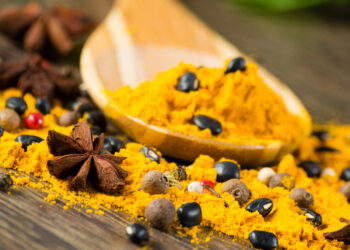
The term itself, though historically loaded, represents a period where cooking was both an act of preservation and resistance. Food became a quiet assertion of identity in an environment that sought uniformity. A pinch of turmeric or cumin was more than seasoning; it was remembrance.
Survival Cooking: Innovation in Adversity
Survival cooking defined early Indo-Caribbean food culture. With limited access to familiar grains, lentils, or vegetables, cooks improvised using whatever was locally available. Cassava replaced wheat in some preparations, green bananas found their way into curries, and local herbs substituted traditional Indian greens.
These substitutions were not compromises but creative solutions. Over time, they produced dishes that were neither purely Indian nor entirely Caribbean, but uniquely Indo-Caribbean. The resilience embedded in these meals continues to resonate today. It reminds families that cultural preservation often happens quietly, through daily routines rather than grand gestures.
Cooking under such conditions required resourcefulness. Meals were designed to stretch ingredients, feed large families, and maintain nourishment. The emphasis was not on extravagance but on sustenance, flavour, and familiarity. Even now, many traditional dishes reflect this practicality, hearty, aromatic, and designed for sharing.
The Evolution of Flavour
As generations passed, the cuisine matured. What once began as necessity transformed into celebration. Spices became more accessible, farming practices improved, and families gained greater control over their culinary choices. The flavours deepened, techniques refined, and presentation evolved, yet the essence remained rooted in its humble beginnings.
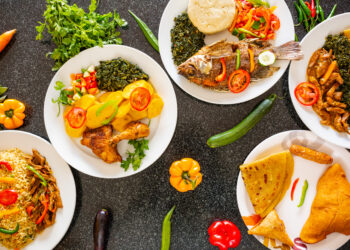
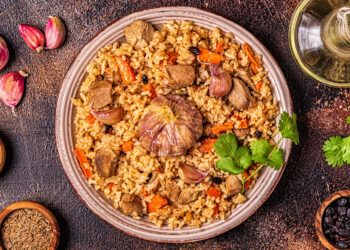
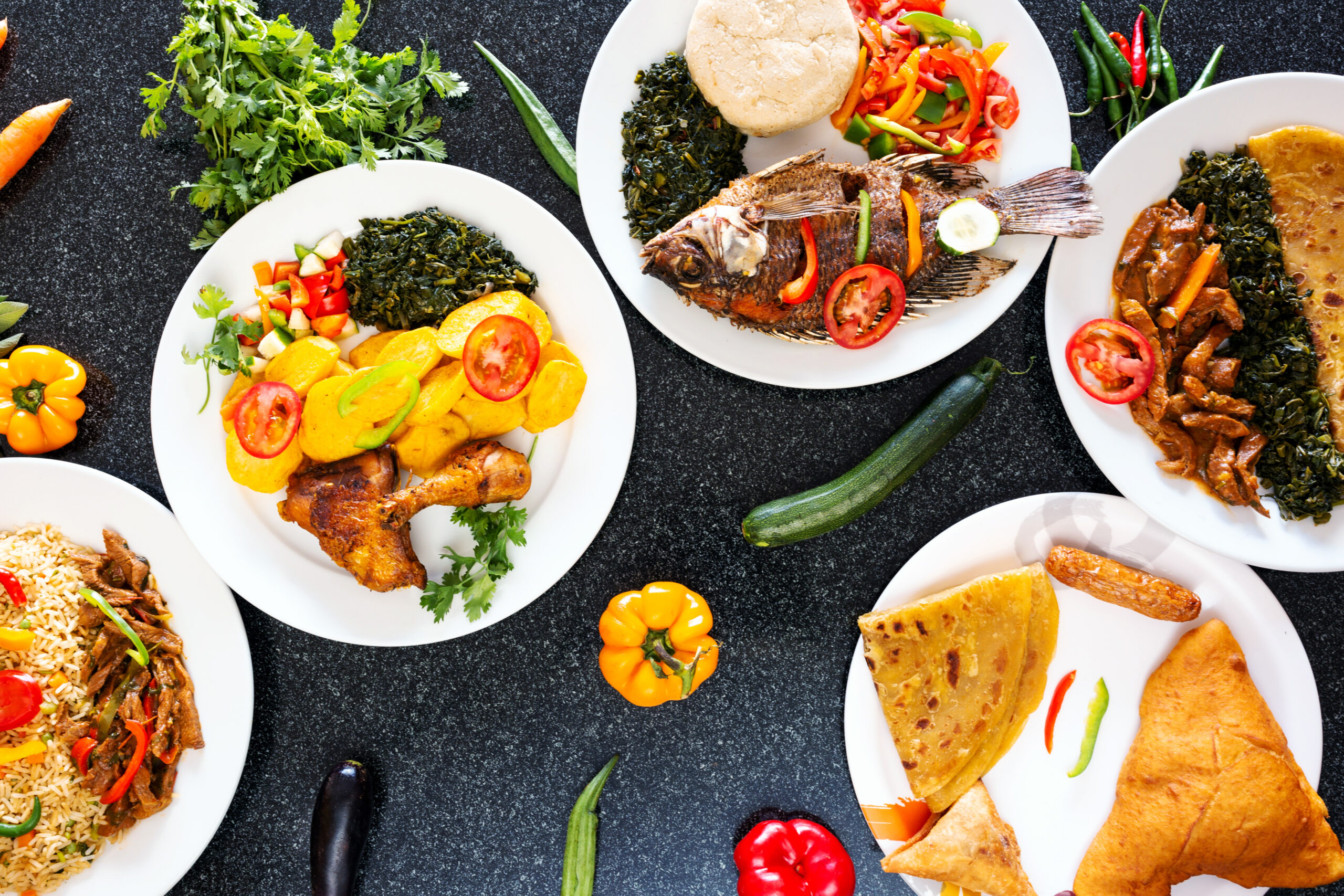
Indo-Caribbean cuisine today is known for dishes such as curry goat, dhal and rice, roti, chutneys, and fried snacks that combine warmth with vibrancy. These meals are not merely food; they are cultural artefacts passed down through storytelling and repetition. Grandparents teach grandchildren not only how to cook but why certain methods matter. The recipes become living documents, constantly adjusted yet never entirely rewritten.
A subtle humour often accompanies this evolution. Every family insists their spice blend is superior, every cook claims their roti is the softest, and every gathering includes at least one playful debate about who added too much chilli. These light exchanges keep traditions alive while preventing them from becoming rigid or solemn.
Food as Heritage and Identity
Food serves as one of the most tangible links to heritage. For Indo-Caribbean communities, meals are weekly affirmations of identity. The act of preparing traditional dishes is an expression of belonging that transcends geography. It allows individuals living thousands of miles from ancestral lands to reconnect with their roots through taste and aroma.
This connection is particularly significant for younger generations raised in multicultural societies. Through cooking, they inherit stories, values, and customs that textbooks seldom capture. The kitchen becomes an educational space where history is not memorised but experienced. A simple recipe can convey more cultural understanding than a lengthy lecture.
The endurance of this cuisine demonstrates that traditions need not remain static to survive. Adaptation is part of its strength. Whether dishes are adjusted for dietary preferences or new ingredients are introduced, the underlying narrative of resilience and creativity remains intact.
Communal Dining and Cultural Continuity
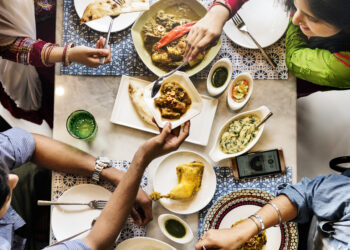
Indo-Caribbean meals are rarely solitary affairs. They are designed for sharing, reinforcing the importance of community and family. Large pots, generous portions, and open invitations reflect a philosophy rooted in inclusivity. The dining table becomes a social anchor, where laughter and conversation accompany every bite.
This communal aspect strengthens cultural continuity. Stories of migration, adaptation, and personal memories are exchanged naturally, ensuring that history remains alive. The repetition of these gatherings transforms food into a vessel of collective memory. Even in modern urban settings, families strive to maintain these traditions, recognising their role in preserving identity.
From Plantation Kitchens to Modern Plates
The journey from plantation kitchens to contemporary dining tables illustrates an extraordinary transformation. What once symbolised hardship now represents pride and celebration. Restaurants and food festivals showcase Indo-Caribbean dishes to global audiences, highlighting their complexity and appeal. Yet, the true heart of the cuisine remains within homes, where recipes continue to evolve organically.
Modern influences have introduced convenience and innovation, but they have not erased tradition. Instead, they coexist. Fusion dishes appear alongside classic recipes, reflecting the dynamic nature of culture itself. The balance between preservation and progression ensures that Indo-Caribbean cuisine remains relevant without losing authenticity.
Why the Story Matters?
Understanding the untold story behind this cuisine adds depth to every meal. It reminds us that food is not merely consumption but communication, a dialogue between past and present. Recognising the indenture history and the ingenuity of survival cooking allows us to appreciate the resilience embedded in each dish.
The narrative also underscores the importance of heritage in shaping identity. Indo-Caribbean cuisine stands as evidence that even under challenging circumstances, culture can adapt, thrive, and inspire. Its flavours carry lessons of perseverance, creativity, and unity, proving that culinary traditions often outlast the conditions that created them.
A Living Legacy!
Today, Indo-Caribbean cuisine continues to grow, blending tradition with innovation while maintaining its distinctive character. Its legacy is not confined to recipes but extends to the values it embodies, resourcefulness, generosity, and cultural pride. Each plate served is a continuation of a journey that began centuries ago and shows no signs of slowing down.
The untold story is no longer hidden; it is celebrated in kitchens, markets, and community gatherings worldwide. As families continue to cook, share, and adapt these dishes, they ensure that the narrative remains alive, flavourful, and deeply meaningful. And if you ever find yourself craving both history and spice on the same plate, just follow CurryBien, your taste buds will thank you with a happy little dance.