
Visiting the Caribbean Feels Different When It’s Your Ancestral Home, not like ticking a destination off a bucket list, not like chasing sunny beaches or postcard sunsets, but like stepping into a living memory you somehow recognise even if you’ve never been there before.

For many UK-based Indo-Caribbean travellers, a trip to the Caribbean is far more than a holiday. It is an emotional return, a cultural reconnection, and often a quiet search for belonging. While standard tourism celebrates resorts, cocktails, and cruise itineraries, diaspora travel lives in the spaces between memory and identity. It is heritage tourism Caribbean style, where every market stall, every spice aroma, and every local accent feels strangely familiar, even if it is experienced for the first time.
This is not just travel; it is Indo-Caribbean ancestry travel. It is roots travel Caribbean journeys shaped by stories heard at the dinner table, photographs tucked into old albums, and grandparents’ voices reminiscing about “back home.” And when that journey finally happens, it reshapes how travellers see themselves as much as how they see the place.
Tourism vs Heritage Travel: The Emotional Divide
Traditional travel focuses on sightseeing. Heritage travel focuses on feeling. That difference is what defines diaspora identity travel. A beach is never just a beach when your ancestors may have walked that very shoreline. A street is never simply a road when your family history may have unfolded along it.
Visitors without ancestral ties may enjoy the beauty and hospitality, and rightly so. But diaspora travellers often find themselves emotionally affected in ways they did not anticipate. A simple taxi ride can spark conversations about family names and villages. A temple visit may feel unexpectedly profound. Even the sound of local music drifting through an open window can stir memories that were never personally lived, yet deeply inherited.
The Caribbean becomes less of a location and more of a mirror reflecting identity.
Memory That Was Passed Down, Not Lived
One of the most fascinating aspects of roots travel Caribbean journeys is how memory functions. Many travellers discover they carry inherited memories, stories repeated so often in childhood that they feel like personal experiences. You may not have grown up in Trinidad or Guyana, but you know the smell of curry goat, the rhythm of tassa drums, and the warmth of Caribbean humour as if you did.
When diaspora travellers finally arrive, the environment activates these second-hand memories. It can be comforting, surreal, and slightly overwhelming all at once. The place does not feel foreign, yet it does not feel entirely familiar either. It occupies a unique emotional category: known, but new.
Cultural Recognition Beyond Tourist Attractions
Heritage tourism Caribbean experiences are not limited to monuments or guided tours. In fact, many of the most meaningful moments occur in ordinary settings:
- A shopkeeper recognising your surname and asking if you are related to someone.
- Hearing Bhojpuri-influenced Caribbean dialects that echo ancestral Indian languages.
- Discovering family temples, mosques, or churches still standing decades later.
- Tasting food that mirrors recipes cooked in your UK household.
These are not attractions you will find in travel brochures, yet they often become the highlights of diaspora journeys. They offer cultural recognition, the feeling of being understood without explanation.
Intergenerational Identity: Travelling With Family Layers
Diaspora travel rarely belongs to one generation alone. Parents and grandparents often encourage these trips, seeing them as a way to pass identity forward. Younger travellers, meanwhile, may initially view the journey as a cultural curiosity, only to find themselves emotionally invested once they arrive.
This intergenerational aspect adds richness. Elders may point out childhood schools or former homes, narrating stories on the spot. Younger travellers begin connecting personal identity with tangible geography. The trip becomes a bridge, linking past, present, and future within a single itinerary.
In this sense, diaspora identity travel is less about movement across countries and more about movement across generations.
The Quiet Search for Belonging
Belonging is rarely loud or dramatic. It is subtle. It might appear as a sense of ease while walking through a local market, or comfort in hearing familiar slang spoken by strangers. Many UK Indo-Caribbean travellers describe a curious emotional duality, feeling both like visitors and like insiders at the same time.
This dual identity is not a contradiction; it is a richness. You are shaped by Britain yet rooted in the Caribbean. Diaspora travel allows both identities to coexist peacefully. Rather than choosing one over the other, travellers learn to embrace the blend.
Heritage Travel Reshapes Personal Narratives
Before the trip, personal narratives may centre around where one currently lives. After the trip, narratives expand. People begin introducing themselves with more depth, acknowledging ancestral countries alongside present nationality. Heritage travel Caribbean experiences often lead to renewed interest in genealogy, language, cooking, and cultural practices.
Some travellers return home and start asking grandparents deeper questions. Others experiment with traditional recipes or seek community events celebrating Caribbean culture. The journey does not end when the plane lands back in the UK; it continues in lifestyle shifts and personal curiosity.
Food, Festivals, and Familiarity
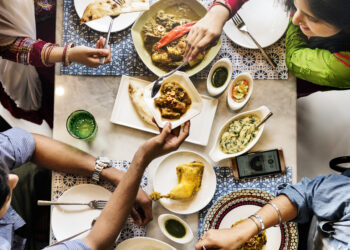
Food is one of the strongest identity anchors in diaspora travel. Tasting doubles, roti, pepper sauce, or coconut drops in their place of origin can be unexpectedly emotional. These dishes are not new, yet they taste different when enjoyed in the Caribbean environment, fresher, more vivid, almost symbolic.
Festivals also carry emotional weight. Carnival, Divali, Eid celebrations, and local harvest events become immersive cultural classrooms rather than spectator activities. They allow diaspora travellers to experience traditions in their original social context rather than diaspora adaptations.
The Complexity of “Home”
A fascinating reality of Indo-Caribbean ancestry travel is that it complicates the idea of “home.” Many travellers discover that home is not singular. It can be layered. Britain may be home through upbringing, education, and daily life, while the Caribbean becomes home through heritage, emotional recognition, and ancestral ties.
Rather than creating confusion, this dual sense of home often brings clarity. Travellers realise identity does not need to be neatly boxed. It can be multi-dimensional, shaped by migration, history, and personal experience.
Why These Journeys Matter in 2026 and Beyond?
In 2026, global mobility and digital connectivity mean diaspora communities are more aware of their roots than ever before. Social media, genealogy tools, and cultural content make heritage exploration easier. Yet physical travel still holds unmatched emotional power. Standing where ancestors once stood provides a depth that digital research cannot replicate.
Diaspora travel also fosters cultural appreciation rather than passive consumption. It encourages respectful tourism, community engagement, and historical understanding. Travellers move beyond sightseeing and into storytelling, both listening to and contributing to living cultural narratives.
Tiny Moments, Lasting Impact
Often, it is not the grand events but the small interactions that stay longest in memory:
- A neighbour sharing a childhood anecdote about your grandparents.
- A local vendor offering extra fruit “because you’re family.”
- Recognising a song your parents played at home now performed live in a village square.
These micro-moments become emotional souvenirs, quietly shaping how travellers view their heritage long after returning home.
Beyond Tourism, Into Identity
Diaspora travel is not about luxury or itinerary perfection. It is about recognition. It transforms the Caribbean from a holiday destination into a living chapter of personal history. Travellers return not only with photographs but with deeper self-understanding, strengthened family connections, and renewed pride in blended cultural identity.
In a world increasingly focused on speed and convenience, these journeys invite reflection. They encourage slowing down, listening, and observing the emotional textures that make heritage meaningful. They remind travellers that identity is not static; it evolves through exploration and acknowledgement of where we come from.
And perhaps that is the true beauty of roots travel Caribbean experiences, they are less about going somewhere new and more about rediscovering something that was always quietly within.
So if your heart ever feels a gentle tug toward ancestral shores, follow it, and while you’re exploring stories, flavours, and identity, don’t forget to follow Currybien too for more cultural journeys with a sprinkle of spice and a dash of warmth.