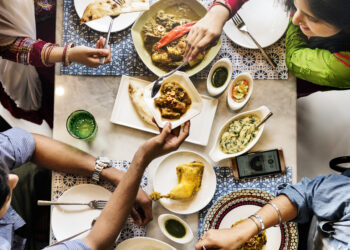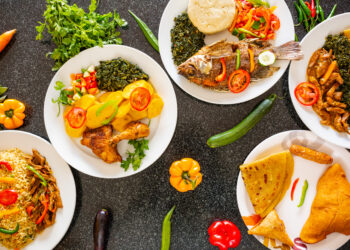

Guide to Caribbean Seafood Classics is where the ocean breeze meets the kitchen stove, where memories of seaside feasts mingle with the comforting rhythm of pots gently bubbling away. It is a celebration of flavour, colour, and the unmistakable warmth that Caribbean cooking brings to the table. Think of it as a friendly nudge toward your next delicious adventure, no passport required, just a good appetite and perhaps an extra napkin.

Caribbean cuisine has always had a special relationship with the sea. Surrounded by turquoise waters and blessed with abundant marine life, the islands developed a rich seafood tradition that balances bold spices with fresh, natural flavours. Today, these dishes have travelled far beyond the Caribbean shores, finding loving homes in UK kitchens, especially among Indo-Caribbean families who know a good curry shrimp when they smell one.
Why Caribbean Seafood Holds a Special Place?
Caribbean seafood isn’t just about what’s on the plate, it’s about the experience. Meals are often communal, vibrant, and filled with layers of flavour that reflect the region’s diverse cultural influences, including African, Indian, Spanish, and Indigenous traditions.
What distinguishes Caribbean seafood is its confident and deliberate use of seasoning. A thoughtful combination of herbs, spices, fresh aromatics, and coconut-based sauces produces dishes that are richly satisfying without being unnecessarily complex. Many of these recipes are also highly achievable for home cooks, even when the nearest coastline is rather distant.
Another defining characteristic is the emphasis on freshness. Traditionally, seafood was prepared soon after being caught, ensuring that recipes enhance rather than mask the natural sweetness of shrimp, crab, and fish. This principle adapts seamlessly to UK kitchens when high-quality ingredients are used from the outset.
Curry Shrimp: The Quick Star of Caribbean Kitchens
Let’s begin with one of the most beloved dishes: curry shrimp. If Caribbean seafood had a popularity contest, curry shrimp would almost certainly take the crown.
What Makes Caribbean Curry Shrimp Unique?
Unlike some heavier curries, Caribbean curry shrimp is typically:
- Bright and aromatic
- Lightly saucy rather than thick
- Cooked quickly to keep shrimp tender
- Balanced with fresh herbs and sometimes coconut
The seasoning often includes Caribbean curry powder, garlic, onion, thyme, and the famous Scotch bonnet pepper, though you can adjust the heat unless you’re feeling particularly brave.
Simple Curry Shrimp Method
A classic curry shrimp dish usually follows these steps:
- Season and marinate the shrimp briefly
- Sauté aromatics in oil
- Add curry powder and “burn” it slightly to release flavour
- Add shrimp and cook quickly
- Finish with herbs and a light sauce
The entire process often takes under 30 minutes, making it perfect for weeknight dinners when you want something impressive without hovering over the hob all evening.
Serving Suggestions
Curry shrimp pairs beautifully with:
- Steamed rice
- Dhal and rice
- Roti
- Fried plantain
Pro tip: make extra sauce. Someone always asks for more.
Crab Dishes: Rich, Messy, and Absolutely Worth It
If curry shrimp is the quick favourite, crab is the indulgent showstopper of Caribbean seafood. Yes, it can be a bit messy. Yes, you may need several napkins. But trust us, it’s part of the charm.
Popular Caribbean Crab Preparations
Across the Caribbean, crab appears in several beloved forms:
- Curried crab
- Crab and dumplings
- Spicy crab in coconut sauce
- Crab backs (stuffed shells)
Each preparation highlights the natural sweetness of crab while layering in bold spices.
Curried Crab: A Comfort Classic
Curried crab is particularly popular in Indo-Caribbean homes. The process is similar to curry shrimp but usually involves:
- Heavier seasoning
- Longer cooking time
- A richer gravy
The crab shells absorb the curry beautifully, creating that deeply satisfying flavour that makes people quietly ignore the pile of shells forming on their plate.
Tips for Cooking Crab at Home
If you’re new to cooking crab, keep these pointers in mind:
- Fresh or properly frozen crab works best
- Clean thoroughly before cooking
- Don’t rush the simmering stage
- Expect happy chaos at the dinner table
Messy fingers are practically mandatory.
Caribbean Fish Recipes: Simple, Fresh, and Flavourful
Fish recipes form the backbone of everyday Caribbean seafood cooking. From quick weekday meals to special family gatherings, fish dishes are versatile, accessible, and endlessly adaptable.
Favourite Caribbean Fish Preparations
Common methods include:
- Stewed fish
- Fried fish with pepper sauce
- Escovitch-style fish
- Fish in coconut sauces
- Fish curry
Each style brings its own personality to the table.
Stewed Fish: The Everyday Hero
Stewed fish is one of the most comforting Caribbean dishes. It’s hearty without being heavy and packed with flavour from tomatoes, herbs, and spices.
Typical Ingredients
A classic stewed fish recipe often includes:
- Fresh fish (snapper, kingfish, or similar)
- Onion and garlic
- Tomatoes
- Thyme
- Scotch bonnet (optional but encouraged)
- Light gravy or sauce
The fish is usually lightly fried first, then simmered in the seasoned sauce until perfectly tender.
Why UK Home Cooks Love It?
Stewed fish works beautifully in UK kitchens because:
- It uses readily available ingredients
- It’s adaptable to different fish types
- It feels both comforting and special
It’s the kind of dish that smells so good neighbours start wondering what’s going on.
Coconut Sauces: The Creamy Caribbean Signature
No Guide to Caribbean Seafood Classics would be complete without a proper appreciation of coconut sauces. These silky, aromatic sauces are one of the defining features of many island seafood dishes.
Why Coconut Works So Well?
Coconut milk adds:
- Natural sweetness
- Creamy texture
- Balance to spicy dishes
- Rich tropical flavour
It pairs especially well with shrimp, crab, and delicate white fish.
Coconut Curry Seafood
One of the most popular combinations is seafood cooked in coconut curry sauce. This style is common across many Caribbean households and is wonderfully adaptable.
Basic Coconut Seafood Sauce Method
Typically involves:
- Sautéing aromatics
- Adding curry powder
- Pouring in coconut milk
- Simmering gently
- Adding seafood near the end
The result is a luscious, fragrant dish that feels far more complicated than it actually is.
Peppery Coconut Fish
Another favourite is fish gently poached in coconut milk with herbs and mild heat. This dish is:
- Light yet satisfying
- Perfect with rice
- Family-friendly when heat is controlled
It’s also an excellent gateway recipe for anyone new to Caribbean seafood cooking.
Essential Seasonings for Caribbean Seafood
To truly capture authentic flavour, a few key seasonings make all the difference.
Must-Have Pantry Items
For shrimp, crab, fish recipes, coconut sauces, consider stocking:
- Caribbean curry powder
- Thyme (fresh or dried)
- Garlic
- Onion
- Scotch bonnet or habanero
- All-purpose seasoning
- Coconut milk
These ingredients form the backbone of countless Caribbean dishes.
Where to Find Ingredients in the UK?
Thankfully, sourcing Caribbean ingredients in Britain is easier than ever. Many London shops, Birmingham stores, online retailers now carry a wide range of authentic seasonings and seafood options.
Best Places to Look
You’ll often find excellent selections at:
- Caribbean grocers
- Afro-Caribbean supermarkets
- South Asian food shops
- Large UK supermarket world food aisles
- Speciality online retailers
The rise of Indo-Caribbean cooking in the UK has made these ingredients far more accessible than even a decade ago.
Tips for Perfect Caribbean Seafood Every Time
Even simple dishes benefit from a few insider tips.
Don’t Overcook Seafood
Shrimp cooks very quickly, often just 3–5 minutes. Overcooking leads to rubbery texture, which nobody wants.
Season in Layers
Caribbean cooking builds flavour gradually. Season the seafood, season the oil, season the sauce. It may sound fussy, but the results are worth it.
Balance Heat Carefully
Scotch bonnet peppers bring authentic flavour, but they are famously fiery. Start small and adjust. There is bravery, and then there is regret.
Use Fresh Herbs When Possible
Fresh thyme and green seasoning add brightness that dried herbs sometimes can’t match.
Bringing Caribbean Seafood Into Your Weekly Rotation
One of the joys of Caribbean seafood cooking is how adaptable it is. You don’t need a special occasion, or even a particularly sunny day, to enjoy these dishes.
Easy Weekly Meal Ideas
Try:
- Weeknight curry shrimp with rice
- Weekend curried crab feast
- Midweek stewed fish
- Coconut fish for Sunday lunch
Once you start experimenting, these dishes often become regular favourites.
A Taste of Tradition with Modern Ease
What makes Caribbean seafood so enduring is its ability to evolve while staying rooted in tradition. Many UK families now blend classic techniques with modern conveniences, frozen seafood, quick marinades, and simplified methods, without losing that unmistakable island soul.
The beauty of shrimp, crab, fish recipes, coconut sauces is that they invite creativity. Some cooks prefer more heat, others lean toward creamy coconut richness, and some proudly claim their family recipe is the only correct one (family debates are practically part of the seasoning).
Final Thoughts!
Caribbean seafood cooking is vibrant, comforting, and wonderfully achievable in UK kitchens. From the quick brilliance of curry shrimp to the indulgent satisfaction of curried crab and the gentle richness of fish in coconut sauces, these dishes offer something for every home cook.
With ingredients now widely available through London shops, Birmingham stores, online retailers, there has never been a better time to explore these flavours. Start simple, season boldly, and don’t be afraid to make a bit of joyful kitchen mess along the way.
And if your kitchen suddenly starts smelling like a seaside feast, don’t worry, that just means you’re doing it right. For more delicious inspiration and cultural flavour, give CurryBien a cheeky follow, your future dinners will thank you.