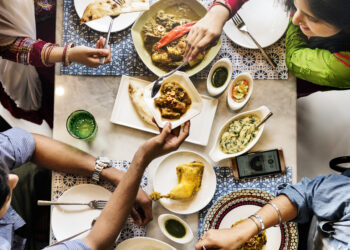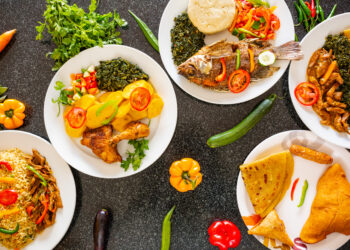

Indo-Caribbean Weddings So Food-Centric is a phrase that might sound amusing at first, but anyone who has attended one will quickly confirm it is entirely accurate. While weddings everywhere involve celebration, music, and a good meal, Indo-Caribbean weddings elevate food into something far more meaningful. It becomes a symbol of family, culture, hospitality, and joy.

Across countries such as Trinidad and Tobago, Guyana, and Suriname, food plays a central role in wedding celebrations. From elaborate pre-wedding cooking sessions to enormous reception feasts, these events reflect the rich blend of Indian heritage and Caribbean creativity that defines Indo-Caribbean culture.
Understanding Caribbean wedding traditions means understanding the importance of food, not simply as a meal, but as a shared experience that brings generations together. Behind every wedding buffet lies hours of preparation, family cooperation, and recipes that have been passed down through time.
The Cultural Roots of Indo-Caribbean Weddings
Indo-Caribbean communities trace their ancestry to Indian indentured labourers who arrived in the Caribbean during the 19th century. These migrants brought with them religious practices, wedding rituals, and culinary traditions that gradually blended with Caribbean ingredients and lifestyles.
The result is a vibrant cultural identity that combines Indian customs with Caribbean hospitality.
In weddings particularly, this fusion is easy to see. Traditional Hindu or Muslim ceremonies are often followed by lively Caribbean-style receptions featuring music, dancing, and of course, plenty of food.
This emphasis on food reflects an important cultural value: Generosity.
Offering guests abundant food is seen as a sign of respect and celebration. No one should leave hungry, and if they do, relatives may take it as a personal challenge.
Pre-Wedding Preparations: When the Cooking Begins?
Unlike many Western weddings where catering companies handle the entire menu, Indo-Caribbean weddings often involve extensive family participation in food preparation.
The cooking may begin days before the ceremony.
Relatives gather in kitchens and outdoor cooking areas to prepare large quantities of food together. These sessions are lively social events filled with laughter, storytelling, and sometimes gentle debates about the “correct” way to season a curry.
Common tasks during pre-wedding cooking include:
- Cleaning and marinating meats
- Preparing spices and masalas
- Grating coconut
- Cooking sweets in large batches
These preparations are not simply practical, they are deeply symbolic. Cooking together reinforces family bonds and honours culinary traditions passed down through generations.
The Ceremony: Rituals and Sweet Offerings
The wedding ceremony itself also includes food-related traditions.
During Hindu ceremonies, sweets often play an important role. Traditional desserts symbolise sweetness and prosperity in the couple’s future life together.
Common ceremonial sweets include:
- Gulab jamun
- Laddoos
- Barfi
Although these sweets originated in India, Caribbean versions often incorporate local ingredients such as coconut and brown sugar.
Guests frequently receive small portions as part of ceremonial blessings, marking the beginning of the celebrations.
The Wedding Menu: A Feast of Flavours
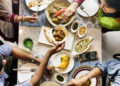
If there is one aspect of Indo-Caribbean weddings that guests eagerly anticipate, it is the wedding feast.
The menu is usually extensive and reflects the rich culinary diversity of the Caribbean.
Typical dishes may include:
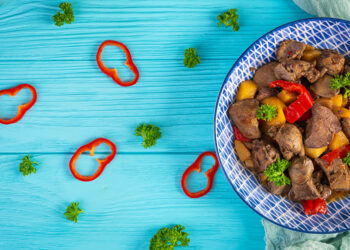
Curries
Curries are central to many Indo-Caribbean celebrations.
Popular options include:
- Chicken curry
- Goat curry
- Shrimp curry
- Potato and channa curry
These dishes are flavoured with aromatic spices and slow-cooked to develop deep, comforting flavours.
Rice Dishes
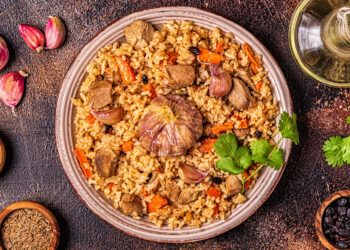
Rice provides the foundation for many meals.
Favourites often include:
- Basmati rice
- Peas and rice
- Fried rice with Caribbean spices
Breads
Various breads accompany the curries and rice dishes.
Common options include:
- Roti
- Dhalpuri
- Paratha
These breads are perfect for scooping up rich sauces.
Side Dishes
Wedding menus may also feature:
- Channa (curried chickpeas)
- Pumpkin curry
- Mango chutney
- Pepper sauce
Each dish adds its own flavour to the overall feast.
Desserts: The Sweet Finale
No Indo-Caribbean wedding would be complete without a generous selection of desserts.
These sweets reflect both Indian and Caribbean influences.
Popular choices include:
- Gulab jamun
- Jalebi
- Coconut drops
- Sugar cake
- Mithai assortments
Desserts are often displayed in colourful trays, creating a visually appealing centrepiece at the reception.
Guests are encouraged to indulge freely, and second servings are generally welcomed with enthusiastic approval.
The Role of Family Cooking
One of the most distinctive aspects of Caribbean wedding traditions is the involvement of extended family members in preparing food.
Large outdoor cooking setups are common, with massive pots simmering over open flames. Experienced cooks oversee the process while younger relatives assist with chopping, stirring, and serving.
These cooking sessions become informal gatherings where stories are shared and traditions reinforced.
For many families, the kitchen becomes just as important as the ceremony itself.
And if someone sneaks a taste from the pot before serving time, it is usually considered quality control rather than mischief.
Community and Hospitality
Indo-Caribbean weddings are not small affairs.
Guest lists often include extended family, neighbours, colleagues, and community members. Hundreds of guests may attend a single celebration.
This scale requires careful planning and enormous quantities of food.
Yet hosts take great pride in ensuring every guest feels welcomed and well fed.
Hospitality is deeply valued, and providing abundant food is one of the most visible ways to express it.
Modern Catering Meets Tradition
While family cooking remains common, many modern weddings also use professional caterers.
However, even when caterers are involved, families typically maintain strong influence over the menu.
Recipes may still come from grandparents or beloved community cooks.
Caterers simply help manage the scale of preparation.
This balance allows couples to honour tradition while ensuring their celebration runs smoothly.
Music, Dancing, and Late-Night Snacks
After the main meal, the celebration continues with music and dancing.
Indo-Caribbean weddings often feature lively playlists blending Bollywood songs with Caribbean soca and chutney music.
Guests dance for hours, which naturally leads to another important question: more food.
Late-night snacks frequently appear to keep energy levels high.
These might include:
- Doubles
- Fried chicken
- Mini rotis
At this point in the evening, guests are less concerned with formal dining etiquette and more focused on enjoying the celebration.
Weddings as Cultural Preservation
Food-centric weddings serve an important cultural purpose.
They preserve recipes, traditions, and communal cooking practices that might otherwise fade over time.
Young family members who help prepare dishes learn techniques and stories associated with each recipe.
In this way, weddings become living classrooms of culinary heritage.
Every pot of curry and tray of sweets carries memories of previous generations.
Why Food Matters So Much?
The central role of food in Indo-Caribbean weddings reflects deeper cultural values.
Food represents:
- Hospitality
- Celebration
- Community
- Heritage
Sharing meals strengthens relationships and reinforces cultural identity.
At weddings, where families unite and new beginnings are celebrated, food becomes the perfect symbol of togetherness.
Concluding Points!
Indo-Caribbean weddings are truly remarkable celebrations where ceremony, culture, and cuisine come together in joyful harmony. From family cooking sessions and ceremonial sweets to the grand reception feast, food plays a central role in expressing love, hospitality, and heritage within these vibrant Caribbean wedding traditions.
Every dish served at these weddings carries history, flavour, and a sense of belonging that connects generations.
And if you enjoy discovering delicious cultural stories like this one, follow CurryBien, because every great celebration deserves a curious foodie at the table.