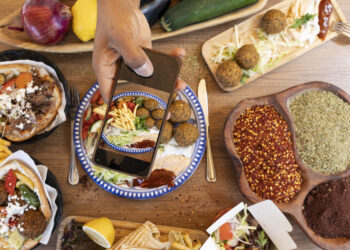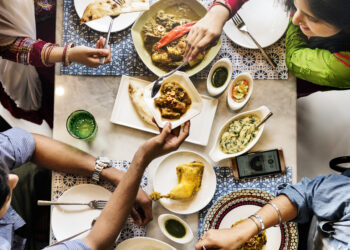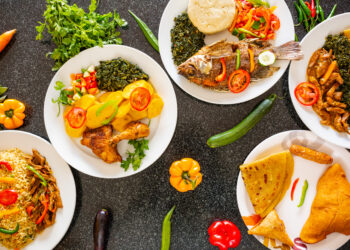

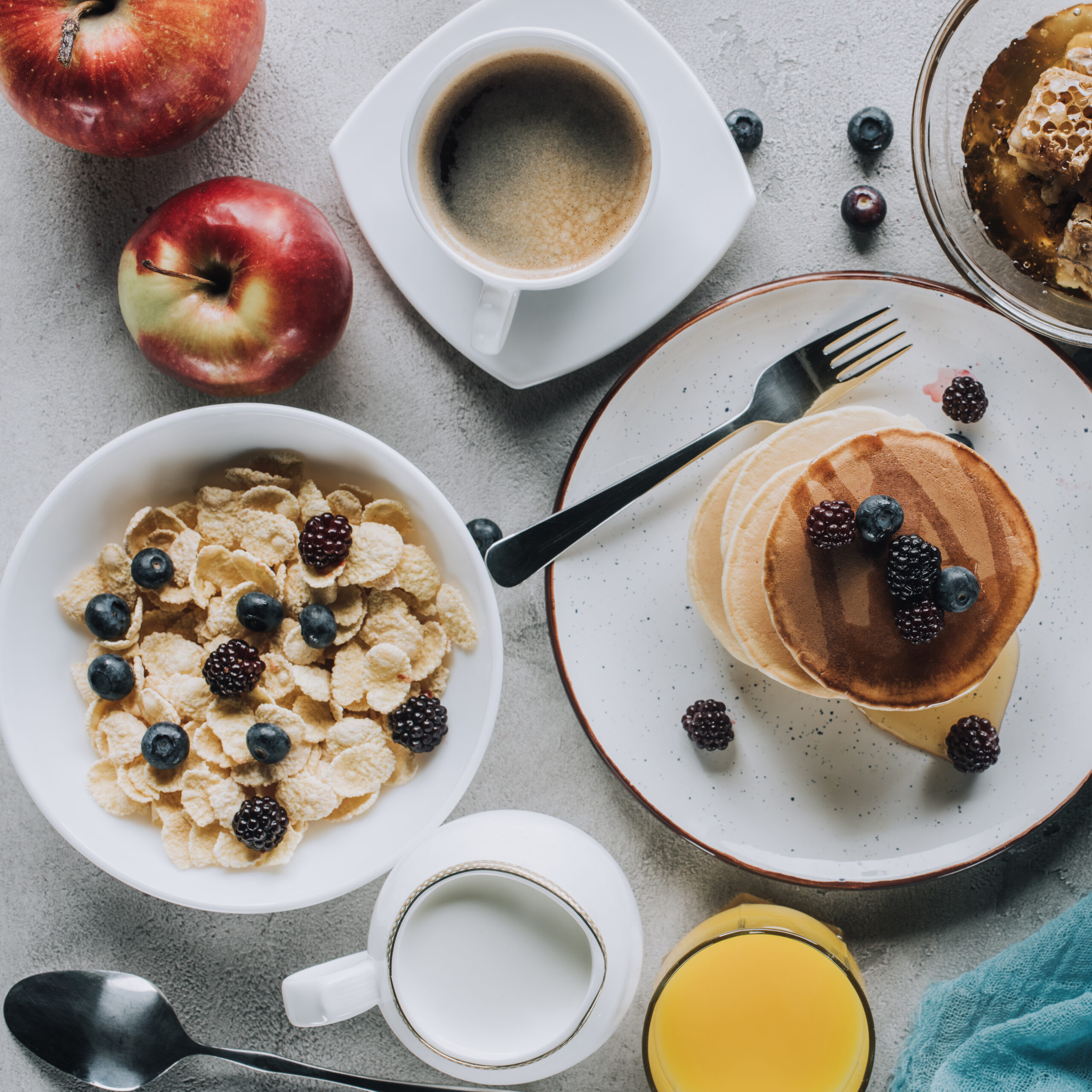
Breakfast Means Something Different in Every Culture, and nowhere is that more obvious than when you compare what lands on breakfast tables around the world. In one country, breakfast might mean buttery toast and tea before rushing to work. In another, it could involve curry, rice, fermented vegetables, soup, or even fish before 8am. Some cultures treat breakfast as the biggest meal of the day, while others barely manage a biscuit and coffee before leaving the house.

Breakfast is more than food. It reflects climate, history, religion, migration, economics, work routines, family traditions, and local ingredients. What people eat in the morning often says far more about a culture than what they eat at dinner. And if there is one universal truth, it is this: everyone thinks their breakfast habits are completely normal until they travel abroad.
From Indo-Caribbean morning meals to Japanese soups, English fry-ups, Turkish spreads, and Indian street breakfasts, the world’s traditional breakfasts reveal fascinating stories about food culture and daily routines.
Why Breakfast Developed So Differently Around the World?
The idea of breakfast has always been shaped by necessity.
Historically, people ate according to:
- Climate
- Farming schedules
- Available ingredients
- Religion
- Trade routes
- Work demands
- Economic conditions
Farmers needed filling meals before long hours of labour. Coastal communities relied on fish. Tropical regions embraced fruits and spices. Colder countries preferred heavier breakfasts rich in fats and carbohydrates.
Modern routines still reflect those historical patterns, even when lifestyles have changed dramatically.
For example:
- British breakfasts evolved around industrial-era workers needing energy
- Japanese breakfasts prioritised balance and nutrition
- Caribbean breakfasts often combined hearty starches with flavour-packed savoury dishes
- Mediterranean breakfasts leaned toward lighter fresh ingredients
The result is a fascinating global patchwork of traditional breakfasts that continue evolving with time.
The British Breakfast: Comfort, Routine, and a Frying Pan
The full English breakfast is perhaps one of the most internationally recognised breakfast traditions.
Eggs, sausages, baked beans, toast, mushrooms, tomatoes, bacon, and tea form a breakfast plate so filling that lunch becomes optional.
Historically, this type of breakfast fuelled workers during Britain’s industrial years. Heavy physical labour required calorie-dense meals that could sustain energy for hours.
Today, the full English has become both a comfort food and a cultural icon.
Of course, modern British breakfasts are often much quicker:
- Cereal
- Toast
- Porridge
- Coffee on the go
- Breakfast sandwiches
Because realistically, most people are not grilling tomatoes at 7am on a Tuesday.
Still, British food culture continues associating breakfast with warmth, routine, and familiarity.
Indo-Caribbean Breakfasts: Spice Before Sunrise
In Indo-Caribbean homes, breakfast can be wonderfully savoury, filling, and deeply flavourful.
Thanks to Indian, African, Caribbean, and colonial influences, breakfast tables across Trinidad, Guyana, Suriname, and diaspora communities offer combinations that surprise many outsiders.
Popular traditional breakfasts include:
- Sada roti and baigan choka
- Aloo curry
- Saltfish
- Fried bake
- Doubles
- Channa
- Coconut bake
- Tea with spices and condensed milk
These breakfasts are not shy about flavour. Garlic, pepper, cumin, curry leaves, onions, and herbs appear proudly before most people elsewhere have even opened one eye.
Food culture in Indo-Caribbean communities also strongly connects breakfast with family routines. Weekend breakfasts often become social events, with large batches cooked for multiple generations.
And honestly, once you have eaten doubles in the morning, plain toast feels emotionally inadequate.
Indian Breakfasts: Regional Diversity on a Plate
India alone contains dozens of breakfast cultures.
Northern breakfasts often feature:
- Parathas
- Chole bhature
- Poha
- Chai
Southern breakfasts lean toward:
- Idli
- Dosa
- Upma
- Sambar
Western India brings dishes like:
- Dhokla
- Thepla
- Misal pav
Eastern regions may favour:
- Luchi
- Ghugni
- Rice-based breakfasts
This diversity reflects geography, climate, agriculture, and local traditions.
Rice dominates in southern and eastern regions, while wheat appears more commonly in northern areas. Coastal regions feature coconut and seafood, while inland breakfasts rely heavily on dairy, grains, and legumes.
Indian food culture also values freshly prepared breakfasts, especially in family homes. Morning cooking remains central to daily routines in many households.
Japanese Breakfasts: Simplicity and Balance
Japanese breakfasts often surprise Western travellers expecting pastries or cereal.
A traditional Japanese breakfast may include:
- Rice
- Miso soup
- Grilled fish
- Pickles
- Seaweed
- Tamagoyaki
- Green tea
This approach prioritises balance, nutrition, and moderation rather than heavy indulgence.
Japanese food culture views breakfast as an important foundation for the day, with careful attention paid to harmony and presentation.
Fermented foods also play a major role, supporting digestion and gut health long before probiotics became trendy wellness buzzwords.
There is also minimal sugar involved. Compared to some Western breakfasts that resemble dessert disguised as cereal, Japanese breakfasts feel remarkably restrained.
Turkish Breakfasts: Breakfast as a Social Event
Turkish breakfast culture transforms breakfast into an experience rather than simply a meal.
A traditional spread may include:
- Olives
- Cheese
- Eggs
- Bread
- Tomatoes
- Cucumbers
- Honey
- Jam
- Tea
Everything arrives together, encouraging long, relaxed meals with conversation.
In Turkish food culture, breakfast is often associated with hospitality and togetherness. Weekend breakfasts can stretch for hours.
Frankly, anyone serving eight small dishes before 10am clearly understands joy.
Caribbean Breakfasts: Hearty, Filling, and Full of Energy
Across the Caribbean, traditional breakfasts are designed to satisfy.
Popular dishes include:
- Ackee and saltfish
- Callaloo
- Fried dumplings
- Plantains
- Cornmeal porridge
- Coconut bread
- Saltfish fritters
These meals developed partly because people needed energy for physically demanding work in tropical climates.
Breakfast also became deeply tied to local agriculture and available produce.
Plantains, cassava, coconut, saltfish, and tropical fruits appear repeatedly throughout Caribbean food culture because they were practical, accessible, and versatile ingredients.
Even today, breakfast remains one of the most flavour-packed meals in many Caribbean households.
American Breakfasts: Fast, Sweet, and Convenient
American breakfasts often reflect modern work culture and convenience.
Classic breakfasts include:
- Pancakes
- Bacon and eggs
- Waffles
- Bagels
- Muffins
- Cereal
However, busy routines have heavily influenced eating habits. Grab-and-go breakfasts dominate many households.
Coffee culture also plays a massive role. For some people, breakfast is simply caffeine and optimism.
American food culture often leans sweeter in the morning compared to many Asian or Caribbean traditions. Syrups, pastries, sugary cereals, and sweet baked goods are common breakfast staples.
Mediterranean Breakfasts: Fresh and Light
Countries around the Mediterranean often embrace lighter breakfasts built around fresh ingredients.
Typical items may include:
- Yogurt
- Fruit
- Bread
- Olive oil
- Cheese
- Tomatoes
- Nuts
- Coffee
Warm climates partly explain this approach. Heavy breakfasts can feel overwhelming in hot weather.
Mediterranean food culture also strongly values freshness and simplicity, with fewer processed foods compared to many modern Western breakfasts.
Why Savoury Breakfasts Are Common Globally?
Many Westerners are surprised that large parts of the world prefer savoury breakfasts.
But historically, sweet breakfasts are actually less common globally.
Savoury breakfasts provide:
- Longer-lasting energy
- Higher protein intake
- Better satiety
- More balanced nutrition
Rice, beans, eggs, vegetables, flatbreads, soups, and stews dominate breakfast traditions across Asia, Africa, the Caribbean, and parts of Latin America.
Meanwhile, highly sugary breakfasts became more widespread largely through industrial food marketing and convenience products.
So technically, leftover curry for breakfast may be more traditional globally than chocolate cereal.
Breakfast and Daily Routines
Breakfast habits also reveal how societies organise time.
Fast-Paced Breakfast Cultures
In countries with long commutes and hectic work schedules, breakfasts tend to become:
- Portable
- Quick
- Processed
- Individual
Examples include:
- Coffee and pastries
- Breakfast bars
- Smoothies
- Convenience foods
Slow Breakfast Cultures
Other cultures maintain slower morning routines centred around family meals and conversation.
These breakfasts often involve:
- Shared dishes
- Fresh preparation
- Tea or coffee rituals
- Longer eating times
Cultural comparison shows that breakfast routines often mirror wider attitudes toward work-life balance and social connection.
Religion and Breakfast Traditions
Religion has also shaped breakfast customs worldwide.
Examples include:
- Vegetarian breakfasts in Hindu communities
- Halal breakfast traditions in Muslim cultures
- Kosher breakfast customs in Jewish households
- Fasting practices affecting morning meals during Ramadan or Lent
Food culture cannot be separated from spiritual and religious identity in many communities.
Even tea and coffee rituals often carry religious or ceremonial significance historically.
Colonial Influence on Breakfast
Colonialism changed breakfast habits across many countries.
Ingredients like:
- Tea
- Sugar
- Bread
- Saltfish
- Coffee
spread globally through trade and empire.
In the Caribbean, British colonial influence mixed with African, Indian, Chinese, and Indigenous traditions to create uniquely blended breakfast cultures.
This fusion remains one of the most fascinating aspects of Indo-Caribbean food culture today.
Breakfast as Identity and Nostalgia
Breakfast foods often carry emotional meaning because they are tied to childhood and routine.
The smell of frying onions, brewing tea, toasted bread, or simmering porridge can instantly trigger memories.
For diaspora communities especially, traditional breakfasts help preserve cultural identity across generations.
An Indo-Caribbean family in London making sada roti on a Sunday morning is not simply cooking breakfast. They are preserving history, language, migration stories, and belonging.
Food becomes memory you can eat.
Social Media and Modern Breakfast Trends
Modern breakfast culture has also been heavily influenced by social media.
Suddenly breakfasts became:
- Aesthetic
- Photographed
- Trend-driven
Avocado toast, smoothie bowls, protein pancakes, and café brunch culture exploded online.
Yet despite trends constantly changing, traditional breakfasts continue surviving because they provide something trends cannot: emotional connection and cultural familiarity.
Besides, no amount of chia seeds can replace grandma’s aloo curry.
Brunch: The Modern Cultural Hybrid
Brunch deserves its own mention because it represents evolving global food culture.
Part breakfast, part lunch, brunch reflects:
- Flexible weekend schedules
- Café culture
- Urban lifestyles
- Social dining trends
Brunch menus now blend traditions from around the world:
- Shakshuka
- Masala omelettes
- Caribbean saltfish
- Japanese pancakes
- Turkish eggs
Modern breakfast culture is increasingly globalised, yet still deeply personal.
Why Breakfast Matters Beyond Nutrition?
Breakfast is not only about fuel.
It reflects:
- Family structure
- Time management
- Economics
- Geography
- Tradition
- Migration
- Community
- Identity
The foods people choose in the morning quietly reveal how cultures live, work, celebrate, and connect.
A bowl of porridge, a stuffed paratha, or a plate of ackee and saltfish each tells a story shaped over generations.
Concluding Thoughts!
Breakfast Means Something Different in Every Culture because breakfast itself is shaped by history, climate, migration, religion, economics, and daily life. From British fry-ups and Japanese rice bowls to Indo-Caribbean rotis and Mediterranean spreads, traditional breakfasts reveal the incredible diversity of global food culture.
Some breakfasts are quick and practical. Others are slow and social. Some prioritise sweetness, while others embrace savoury richness before sunrise. Yet every breakfast tradition carries meaning far beyond the plate itself.
In many ways, breakfast is the most personal meal of the day. It is habit, comfort, identity, and memory rolled into one delicious routine. And whether your morning starts with tea and toast or curry and doubles, there is something wonderfully human about beginning the day with flavours that feel like home.
Now put the kettle on, grab a snack, and follow CurryBien for more delicious dives into food culture, flavour, and Indo-Caribbean foodie fun.