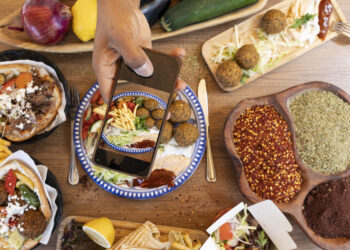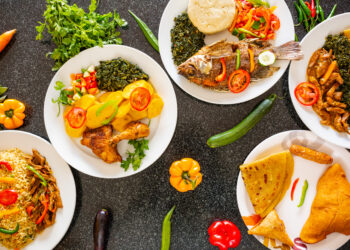

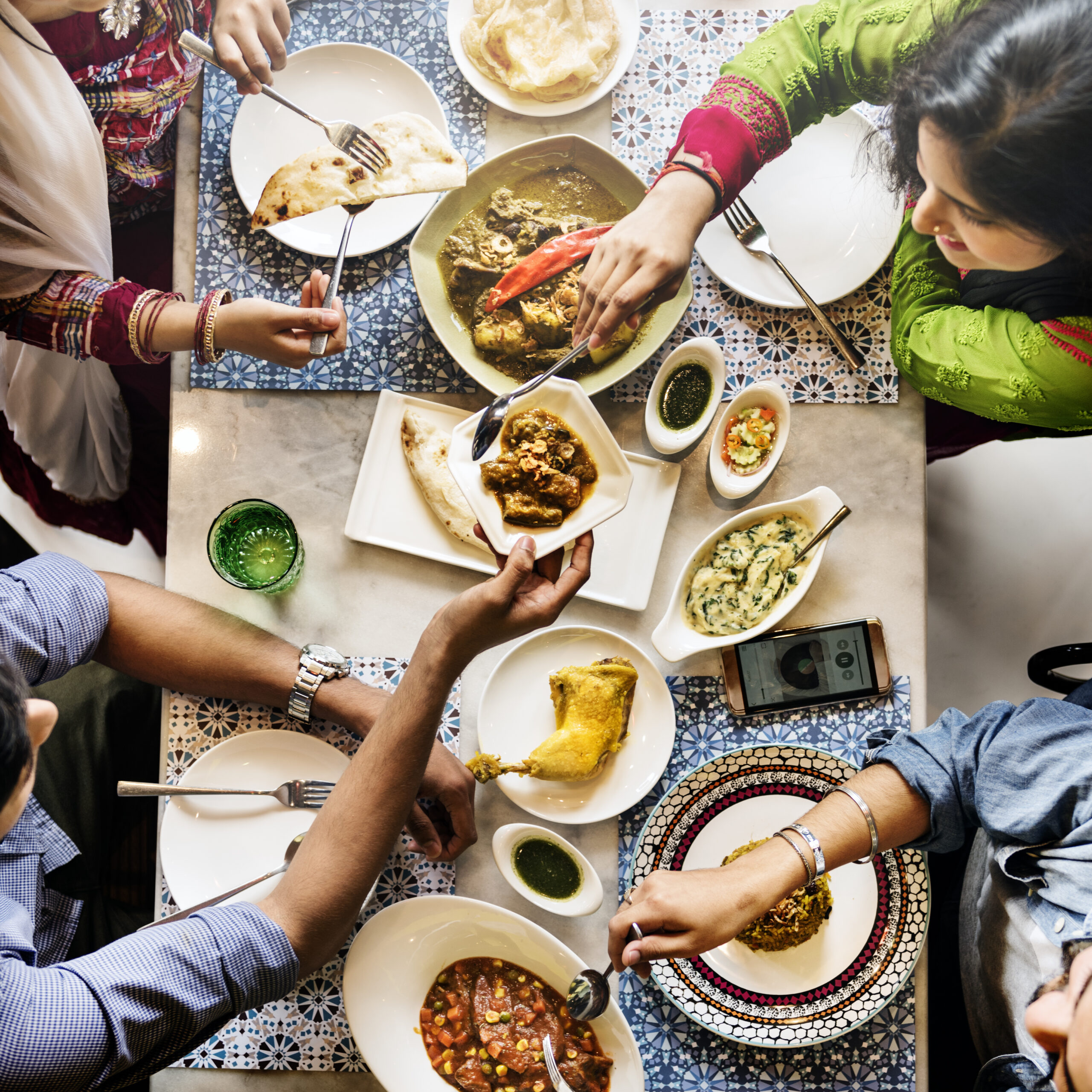
Indian, Caribbean or African, at first glance, this sounds like the start of a food quiz. Yet in many modern kitchens across the UK, the answer is often “all of the above.” Today’s plates increasingly refuse to fit neatly into one culinary category. Instead, they tell layered stories shaped by migration, heritage, and experimentation. A dish might feature Indian spices, Caribbean cooking techniques, and African ingredients, all working together in harmony.

This blending of traditions is not simply a passing fad. It reflects a broader shift in how people understand culture and identity. Just as many individuals today have multicultural backgrounds, their food reflects the same complexity. Across Britain and beyond, chefs and home cooks alike are embracing hybrid cuisine trends, creating dishes that celebrate multiple culinary identities at once.
For food lovers, this means the dining landscape has never been more exciting. And for those curious about how culture and cooking intersect, modern fusion plates offer a fascinating glimpse into how global influences shape everyday meals.
When Food Refuses a Label?
Historically, cuisines were often defined by geography. Italian food came from Italy, Indian food from India, and Caribbean dishes from Caribbean islands. Of course, reality has always been more complicated than that. Trade routes, colonial histories, and migration have been mixing culinary traditions for centuries.
What is different today is the visibility of that mixing.
Instead of hiding cultural overlaps, chefs are proudly highlighting them. A menu might feature jerk-spiced paneer, African peanut stew with Caribbean peppers, or roti wraps filled with British vegetables. These combinations demonstrate how hybrid cuisine trends are shaping the modern food scene.
The result is cuisine that resists a single identity.
And frankly, that is part of the fun.
The Historical Roots of Hybrid Cuisine
While hybrid cuisine feels modern, the concept is actually quite old.
Consider the Indo-Caribbean culinary tradition. When Indian labourers arrived in the Caribbean during the nineteenth century, they brought spices, cooking techniques, and recipes from India. Over time, those traditions adapted to local ingredients and cultural influences.
Caribbean peppers replaced Indian chillies. Local vegetables appeared in curries. Cooking styles blended together.
The result was a unique culinary tradition that was neither purely Indian nor purely Caribbean.
In many ways, this is an early example of the hybrid cuisine trends we see today.
The difference now is that global travel, digital media, and migration have accelerated these cultural exchanges dramatically.
Modern Britain: A Perfect Environment for Culinary Blending
The UK has become one of the most diverse culinary landscapes in the world. Cities like London, Birmingham, Manchester, and Leicester host communities from every continent.
With those communities come food traditions.
When different cultures live side by side, their cooking inevitably begins to influence each other. Restaurants experiment with cross-cultural menus. Home cooks adapt recipes using locally available ingredients. Street food vendors introduce dishes that blend multiple heritage flavours.
These everyday interactions quietly produce innovative new dishes.
Before long, a meal might include Indian spices, African sauces, and Caribbean cooking techniques, all on the same plate.
This cultural exchange is a driving force behind modern hybrid cuisine trends.
Chefs Leading the Culinary Conversation
Professional chefs often act as cultural storytellers through food.
Many modern chefs proudly explore their multicultural backgrounds in their cooking. Rather than choosing a single culinary identity, they combine influences from different parts of their heritage.
For example:
- A chef with Caribbean and Indian heritage may blend curry spices with jerk marinades.
- African stews might incorporate European cooking techniques.
- British ingredients might be paired with global spices.
This approach allows chefs to express personal identity while creating innovative flavours.
It also reflects the reality that cultural identity today is rarely simple.
Street Food: Where Hybrid Cuisine Thrives
While high-end restaurants receive much attention, some of the most exciting hybrid dishes actually emerge from street food culture.
Street food vendors often experiment more freely because their menus are flexible and their audiences adventurous.
In markets across the UK, you might find:
- Roti wraps filled with jerk vegetables
- African-inspired grain bowls with Caribbean seasoning
- Spiced rice dishes topped with international sauces
Street food has always been about quick, affordable meals. Now it is also becoming a playground for hybrid cuisine trends.
The results are often deliciously unpredictable.
Food as a Reflection of Cultural Identity
Behind every hybrid dish lies a deeper story about identity.
For many people with multicultural backgrounds, food offers a way to express that identity. Cooking dishes that combine heritage flavours can feel more authentic than strictly traditional recipes.
A person raised in Britain with Caribbean and African roots might naturally cook meals that blend both culinary traditions.
In this way, hybrid cuisine becomes a reflection of real life.
It mirrors how cultures intersect in families, communities, and everyday experiences.
Rather than forcing identity into a single category, these dishes celebrate complexity.
Social Media and the Rise of Hybrid Dishes
Social media has played a significant role in spreading hybrid cuisine ideas.
Platforms like Instagram, YouTube, and TikTok allow chefs and home cooks to showcase creative recipes to global audiences.
A unique dish combining unexpected flavours can quickly gain attention online.
For example, a vibrant bowl featuring African grains, Caribbean spices, and Indian chutneys might attract thousands of views.
This exposure encourages further experimentation and creativity.
It also accelerates the growth of hybrid cuisine trends, introducing audiences to culinary combinations they may never have encountered before.
The Ingredients That Travel Well
Certain ingredients lend themselves particularly well to hybrid cooking.
Spices are perhaps the most powerful example.
Indian spices such as turmeric, cumin, and coriander easily blend with Caribbean peppers or African cooking techniques. Similarly, ingredients like coconut milk, plantains, and lentils appear across multiple global cuisines.
Because these ingredients already share flavour profiles, combining them feels natural rather than forced.
This compatibility makes it easier for cooks to experiment while maintaining balance and authenticity.
Why Diners Love Hybrid Cuisine?
Modern diners increasingly seek new experiences when eating out.
Hybrid dishes offer exactly that.
They combine familiar elements with unexpected twists, creating meals that feel both comforting and exciting.
A dish might taste partly familiar because of its spices, yet completely new because of how those spices are used.
This balance appeals to curious diners who enjoy discovering new flavours without feeling overwhelmed.
It is one reason why hybrid cuisine trends continue gaining popularity.
The Fine Line Between Fusion and Authenticity
Whenever cuisines mix, questions about authenticity arise.
Some critics worry that fusion cooking can dilute traditional recipes or create gimmicky combinations.
However, hybrid cuisine rooted in cultural experience tends to feel more genuine.
When chefs draw from their heritage and personal stories, their dishes carry authenticity even if they blend multiple traditions.
The key difference lies in intention.
Authentic hybrid cuisine evolves naturally within communities rather than being invented purely for novelty.
The Future of Global Food Identity
Looking ahead, it seems likely that hybrid cuisine will become even more prominent.
Several factors support this trend:
1. Increasing Migration
Global movement continues to bring diverse cultures together.
2. Easier Access to Ingredients
Supermarkets now stock ingredients from around the world, making experimentation easier.
3. Curiosity About Global Flavours
Diners are more open than ever to trying new culinary combinations.
Together, these influences will ensure that modern plates continue to reflect complex cultural identities.
And that is something to celebrate.
Why Food Will Always Cross Borders?
Food has always travelled with people.
When communities move, they carry recipes, spices, and cooking techniques with them. Over time, those traditions blend with local cultures and create something new.
This process is not a loss of tradition.
It is evolution.
The question “Indian, Caribbean or African?” may never have a single answer, and that is perfectly fine.
Because when food crosses borders, it creates richer culinary stories and more delicious meals.
In the end, the most interesting dishes are often the ones that refuse to choose just one identity.
And if you enjoy exploring those fascinating food journeys, don’t forget to follow CurryBien, where culture, flavour, and storytelling always share the same plate.