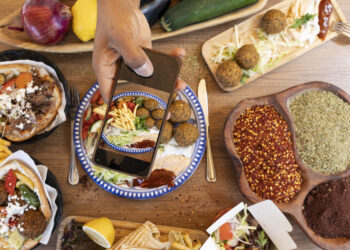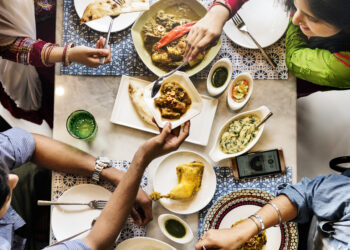

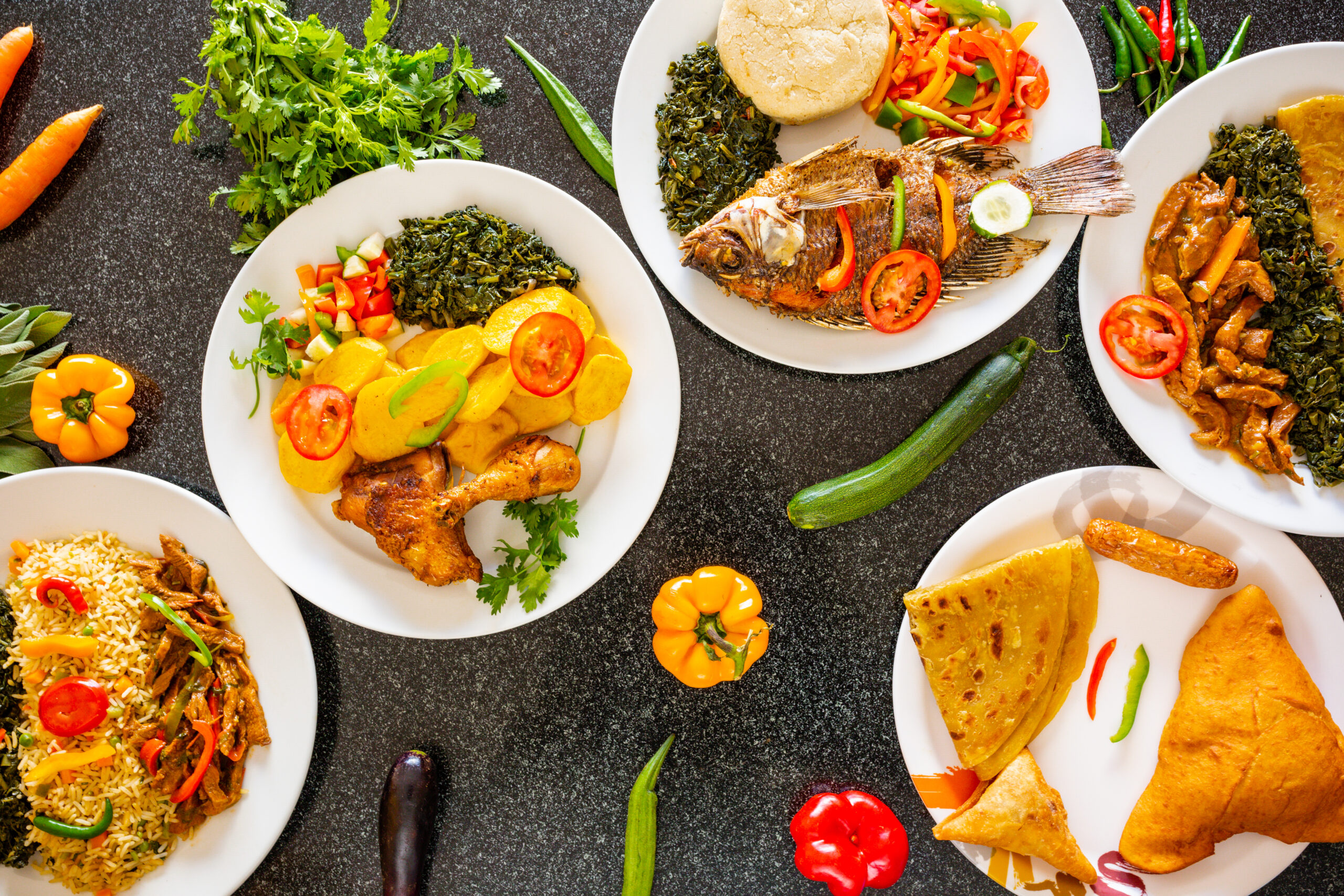
Diaspora Food is quickly becoming one of the most exciting culinary movements across the United Kingdom. Walk through any major British city today and you’ll notice something remarkable: menus are no longer confined to traditional national cuisines. Instead, they are filled with dishes shaped by migration, family heritage, and global influence. From Indo-Caribbean curries to West African stews, Filipino street food to Middle Eastern pastries, diaspora food is reshaping the way Britain eats.

In fact, many food analysts now consider diaspora cuisine to be one of the most influential global food trends 2026. It reflects the multicultural nature of modern Britain and celebrates the flavours brought by communities from across the world. But diaspora food is not simply about importing traditional recipes. It is about adaptation, creativity, and the way cultures evolve when they meet.
Across the UK, chefs, home cooks, and small food businesses are proudly showcasing recipes that blend heritage and innovation. These dishes tell stories about migration, identity, and belonging. And perhaps most importantly, they taste absolutely fantastic.
What Exactly Is Diaspora Food?
To understand the rise of diaspora cuisine, it helps to understand what the term actually means.
Diaspora food refers to dishes created by communities who have migrated from their homeland and adapted their culinary traditions in a new country. These recipes are shaped by:
- Local ingredients available in the new country
- Cultural exchanges with neighbouring communities
- Generational reinterpretations of traditional recipes
Over time, these influences create something entirely new.
A classic example is Indo-Caribbean cuisine. When Indian labourers arrived in the Caribbean during the 19th century, they brought spices, cooking methods, and recipes from India. However, Caribbean ingredients and cooking styles gradually transformed those dishes into something unique.
Today, Indo-Caribbean food itself has become part of the UK’s diaspora culinary landscape.
This layered history is one of the reasons diaspora food has become central to global food trends 2026.
Why Diaspora Food Is Booming in the UK?
Britain has long been a multicultural country, but the current popularity of diaspora cuisine reflects several modern shifts.
1. A More Curious Generation of Diners
Younger generations are more adventurous with food than ever before. Instead of sticking to familiar dishes, they actively seek out new flavours and cultural experiences.
Food is no longer just nourishment; it is exploration.
Trying diaspora dishes allows diners to experience cultures from around the world without leaving their city.
2. The Rise of Independent Food Businesses
Many diaspora dishes are gaining popularity through small food businesses rather than large restaurant chains.
Pop-up kitchens, street food stalls, and independent cafés are introducing customers to authentic recipes that might otherwise remain within families or communities.
Cities like London, Birmingham, and Manchester have become hubs for these culinary innovators.
3. Social Media’s Influence
Platforms such as Instagram and TikTok have dramatically amplified interest in unique cuisines.
Visually striking dishes like roti wraps, colourful rice bowls, or spicy stews quickly attract attention online.
A single viral post can introduce thousands of people to a new cuisine overnight.
This digital visibility plays a major role in the expansion of global food trends 2026.
The Data Behind the Trend
The popularity of diaspora food is not just anecdotal; it is supported by market data.
Recent UK food industry reports show:
- Searches for international cuisines have increased significantly over the past five years.
- Independent ethnic restaurants are among the fastest-growing segments in the hospitality sector.
- Street food markets specialising in global cuisines continue to expand across British cities.
London’s street food scene alone now features vendors representing dozens of culinary traditions.
Meanwhile, supermarkets have responded to demand by stocking more international ingredients such as:
- Caribbean spices
- African chilli sauces
- Middle Eastern spice blends
- Asian cooking pastes
These products allow home cooks to experiment with diaspora-inspired dishes in their own kitchens.
The Indo-Caribbean Influence
For readers of CurryBien, Indo-Caribbean cuisine offers a perfect example of diaspora food in action.
It combines Indian cooking traditions with Caribbean ingredients and techniques.
Popular dishes include:
- Curry duck
- Doubles (spiced chickpeas served in fried bread)
- Roti with curried vegetables or meat
- Pelau rice dishes
When these foods arrive in the UK, they sometimes evolve even further. British-grown vegetables, modern cooking equipment, and contemporary plating styles influence how the dishes appear and taste.
This continuous evolution demonstrates how diaspora cuisine adapts over time while still honouring its roots.
Fusion Without Losing Identity
One of the most fascinating aspects of diaspora food is its ability to blend cultures while maintaining authenticity.
Fusion cooking sometimes receives criticism when it feels forced or gimmicky. Diaspora cuisine, however, evolves naturally.
It develops organically within communities.
For example:
- Caribbean spices may be used with British vegetables.
- Indian techniques might influence Caribbean dishes.
- African stews may incorporate European ingredients.
These combinations arise from everyday cooking rather than deliberate experimentation.
The result is food that feels authentic yet innovative.
How Restaurants Are Embracing Diaspora Cuisine?
Across the UK, restaurants are increasingly celebrating diaspora culinary traditions.
Chefs from immigrant backgrounds are highlighting family recipes while also presenting them in modern formats.
Menus might feature:
- Traditional street foods reimagined as small plates
- Classic stews served with contemporary plating
- Heritage dishes paired with modern ingredients
This approach appeals to both nostalgic diners and curious newcomers.
It also contributes to the growing recognition of diaspora cuisine as a defining feature of global food trends 2026.
Diaspora Food at Home
While restaurants introduce many people to diaspora cuisine, much of its creativity still happens in home kitchens.
Families pass down recipes through generations, adjusting them slightly each time.
A grandmother’s curry might taste subtly different from a granddaughter’s version simply because ingredients have changed.
Perhaps a particular vegetable is easier to find in the UK than it was in the Caribbean.
Perhaps modern appliances shorten cooking times.
These small changes gradually create new culinary traditions.
And occasionally, someone writes those recipes down and shares them with the world.
The Role of Food in Cultural Identity
For diaspora communities, cooking is often closely tied to identity.
Preparing traditional dishes helps maintain a connection to heritage even when living thousands of miles from ancestral homes.
Food becomes a cultural anchor.
At family gatherings, weddings, and festivals, these recipes help preserve traditions and strengthen community bonds.
Children who grow up eating diaspora cuisine develop a sense of belonging that connects both past and present.
That emotional dimension is part of what makes diaspora food so powerful.
The Future of Diaspora Cuisine in Britain
Looking ahead, diaspora cuisine is likely to continue expanding.
Several factors suggest that it will remain a major influence in British food culture.
1. Increasing Cultural Exchange
Global travel and migration continue to introduce new culinary traditions to the UK.
Each new community contributes its own flavours to the national food scene.
2. Expanding Ingredient Availability
Supermarkets now stock ingredients that were once difficult to find.
As availability grows, home cooks become more confident experimenting with international recipes.
3. Greater Recognition of Cultural Heritage
There is increasing appreciation for food traditions that have historically been overlooked.
Many chefs are now celebrating their heritage proudly rather than adapting dishes solely to mainstream tastes.
Together, these factors ensure diaspora cuisine will remain central to global food trends 2026 and beyond.
Why Diaspora Food Matters?
Ultimately, diaspora food represents more than just a culinary trend.
It reflects the real stories of people, communities, and journeys across continents.
Every dish carries traces of migration, adaptation, and cultural exchange.
When someone enjoys a plate of Indo-Caribbean curry or a bowl of West African stew in the UK, they are tasting centuries of history condensed into a single meal.
That is quite remarkable for something served on a dinner plate.
Concluding Thoughts!
The rise of Diaspora Food across Britain highlights how culture evolves when people, traditions, and ingredients meet in new places. Far from replacing traditional cuisines, diaspora dishes enrich them, creating a vibrant food landscape where heritage and innovation sit comfortably side by side.
As diners become more curious and communities continue to share their culinary stories, diaspora cuisine will only grow more influential in shaping global food trends 2026.
And if you enjoy discovering these fascinating food journeys, stick around and follow CurryBien, because great stories, spices, and cultural flavours are always simmering here.