
Secrets of Indo-Caribbean Curry Powder begin long before the first spoonful hits a bubbling pot of curry. They start with the warm scent of toasted spices drifting through a kitchen, the soft clatter of a grinding stone, and someone’s grandmother insisting that her blend is the only correct one. In truth, the beauty of Indo-Caribbean curry powder lies in its individuality. Every household has its own version, every island adds its own twist, and every cook guards their proportions like a treasured family secret.

Across Trinidad, Guyana, Suriname, and other Caribbean regions shaped by Indian heritage, curry powder is more than a seasoning. It is a culinary identity, a fragrant symbol of migration, adaptation, and creativity. Unlike commercial curry powders found on supermarket shelves, Indo-Caribbean blends are typically fresher, brighter, and far more aromatic. They combine traditional Indian spices with Caribbean flair, creating flavours that are bold but balanced.
The Story Behind Indo-Caribbean Curry Powder
To understand Indo-Caribbean curry powder, you must first understand the Indo-Caribbean story itself.
Between 1838 and 1917, thousands of indentured labourers from India were brought to the Caribbean by the British Empire. They arrived mainly from regions such as Uttar Pradesh and Bihar, bringing with them cooking traditions, spices, and recipes that had been part of Indian kitchens for centuries.
However, life in the Caribbean required adaptation.
Many original Indian ingredients were difficult to find, so cooks substituted local produce and experimented with what was available. Over generations, Indian spice blends gradually evolved into something new: a Caribbean version of curry powder that retained Indian roots but developed its own identity.
Today, Indo-Caribbean curry powder reflects this fascinating culinary journey.
It is Indian in spirit, Caribbean in personality.
What Makes Indo-Caribbean Curry Powder Unique?
While Indian kitchens often use freshly ground masalas for each dish, Indo-Caribbean households commonly prepare a multi-purpose curry powder that can flavour everything from chicken curry to vegetables.
Several characteristics make it stand out.
1. It Is Toasted
Many Indo-Caribbean blends lightly toast spices before grinding them. This deepens their flavour and creates a warm, roasted aroma.
2. It Is Simpler
Compared to complex Indian masalas containing dozens of spices, Caribbean curry powders usually rely on a smaller set of key ingredients.
3. It Is Brighter in Colour
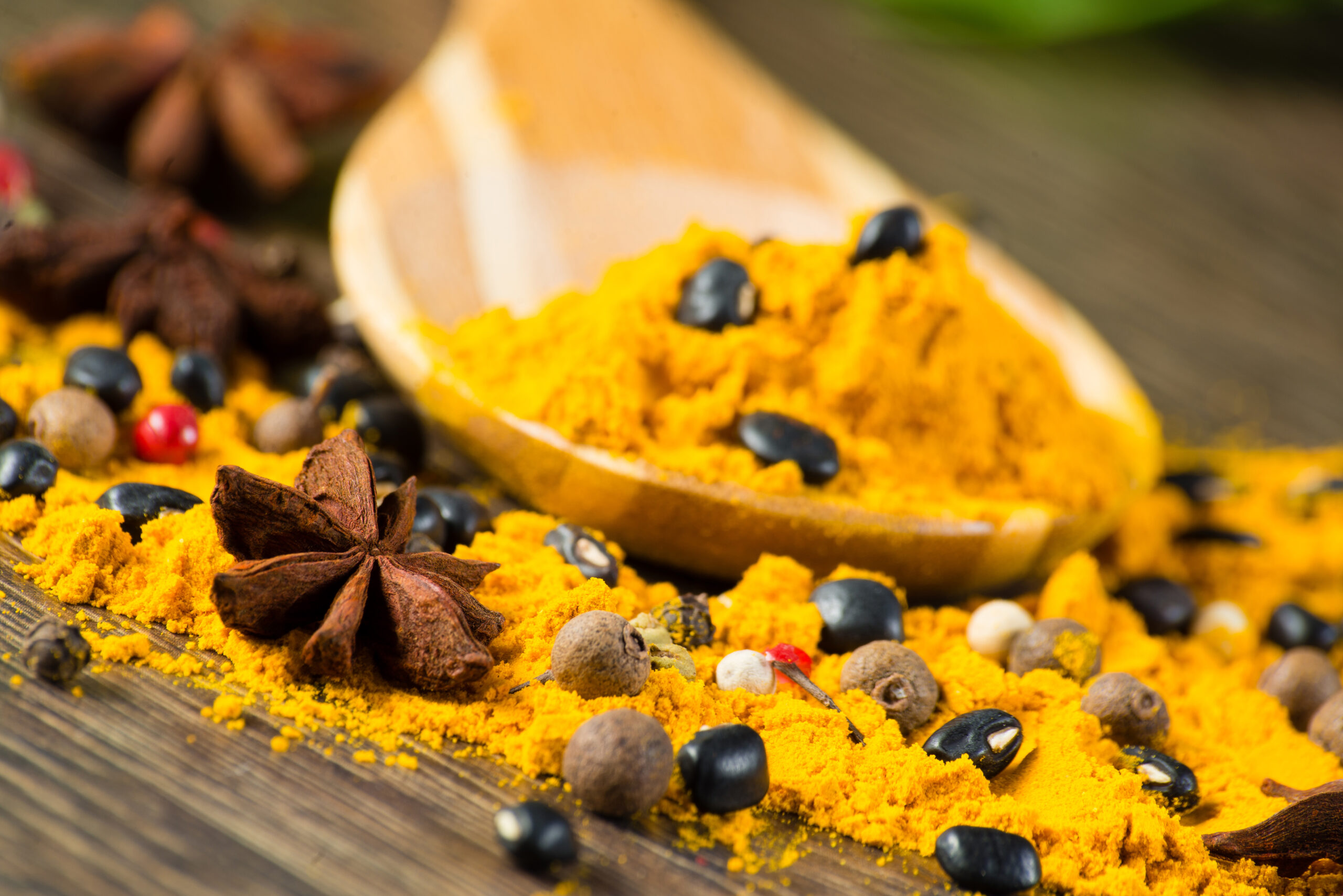
Thanks to generous amounts of turmeric, Indo-Caribbean curry powder often has a vivid golden-yellow hue.
4. It Balances Heat and Warmth
Rather than overwhelming heat, the spice mix focuses on warmth and depth, making it ideal for slow-cooked curries.
When used in dishes like chicken curry or chickpea curry, these blends create the distinctive taste associated with Caribbean spices, homemade curry powder traditions.
The Core Ingredients in Indo-Caribbean Curry Powder
Every cook adjusts proportions slightly, but most blends rely on a familiar foundation of spices.
Let’s break down the key components.
1. Turmeric
Turmeric provides colour, earthiness, and mild bitterness.
It also gives curry powder its unmistakable golden shade. In many Caribbean blends, turmeric forms the largest portion of the mix.
2. Cumin (Jeera)
Cumin delivers warmth and nuttiness.
Its slightly smoky aroma forms the backbone of many curry powders and helps anchor the flavour profile.
3. Coriander Seeds
Coriander adds citrusy brightness.
It balances the deeper flavours of cumin and turmeric and prevents the blend from tasting too heavy.
4. Fenugreek (Methi)
Fenugreek brings a subtle bitterness and maple-like aroma.
Used carefully, it adds complexity without overpowering the blend.
5. Mustard Seeds
Mustard seeds introduce a sharp, pungent edge that becomes mellow when toasted.
They are a defining element in many Indo-Caribbean spice blends.
6. Black Pepper
Black pepper adds gentle heat and enhances the other spices.
Some blends increase the quantity for a slightly spicier result.
7. Dried Chillies
For those who prefer a bit more heat, dried chillies may be included in small amounts.
These ingredients together create the foundation of Caribbean spices, homemade curry powder that Indo-Caribbean cooks rely on.
Optional Ingredients Some Families Add
Because every household has its own preferences, some blends include additional spices such as:
- Cloves
- Allspice
- Ginger powder
- Garlic powder
- Cinnamon
These additions add subtle layers of flavour.
However, purists often argue that simplicity is the real secret behind great curry powder.
As with most beloved recipes, there is always a lively debate.
Why Freshly Ground Curry Powder Tastes Better?
Freshness is the key to unlocking the true Secrets of Indo-Caribbean Curry Powder.
Pre-packaged powders can sit on shelves for months or even years. During that time, essential oils in the spices gradually fade, leaving the blend dull and flat.
Grinding spices yourself preserves those oils and creates a much brighter aroma.
The difference becomes obvious the moment the curry hits the pot.
Homemade blends release fragrant clouds of cumin, turmeric, and coriander that instantly fill the kitchen.
Even neighbours might become suspiciously interested in dinner plans.
Step-by-Step: How to Make Homemade Indo-Caribbean Curry Powder
Creating your own curry powder is surprisingly simple and deeply satisfying.
Here is a classic DIY method.
Ingredients
- 3 tablespoons turmeric powder
- 2 tablespoons cumin seeds
- 2 tablespoons coriander seeds
- 1 tablespoon mustard seeds
- 1 teaspoon fenugreek seeds
- 1 teaspoon black peppercorns
- 2 dried red chillies (optional)
Step 1: Toast the Whole Spices
Place cumin, coriander, mustard seeds, fenugreek, peppercorns, and chillies in a dry frying pan.
Heat over medium-low heat for about 2–3 minutes, stirring frequently.
The spices should become fragrant but not burnt.
Step 2: Cool the Spices
Transfer the toasted spices to a plate and allow them to cool completely.
Grinding hot spices can produce uneven textures.
Step 3: Grind the Spices
Use a spice grinder, coffee grinder, or mortar and pestle.
Grind the toasted spices into a fine powder.
Step 4: Add Turmeric
Mix the freshly ground spices with turmeric powder.
Turmeric is often added after grinding because it is already finely powdered.
Step 5: Store Properly
Place the finished curry powder in an airtight jar and store it in a cool, dark cupboard.
For the best flavour, use within three months.
Fresh homemade blends truly capture the essence of Caribbean spices, homemade curry powder traditions.
How Indo-Caribbean Curry Powder Is Used?
Once prepared, this versatile spice blend becomes the heart of many dishes.
Popular uses include:
1. Chicken Curry
Perhaps the most famous application.
The curry powder is cooked with garlic, onion, and green seasoning before simmering chicken in the fragrant sauce.
2. Channa and Potato Curry
A vegetarian favourite made with chickpeas and potatoes.
3. Pumpkin Curry
Sweet Caribbean pumpkin pairs beautifully with aromatic curry spices.
4. Fish Curry
Light seafood curries often rely on milder versions of the spice blend.
The beauty of Indo-Caribbean curry powder lies in its flexibility.
One jar can flavour dozens of different meals.
Cooking Tip: “Burning” the Curry
One distinctive Indo-Caribbean cooking technique involves “burning” the curry powder before adding liquid.
This does not mean burning it literally.
Instead, cooks briefly sauté curry powder in oil with garlic and onions to release the spices’ aroma. The oil turns deep golden and intensely fragrant.
Only then are vegetables or meat added.
This step unlocks the full potential of the spice blend.
Without it, the curry may taste flat.
The Cultural Importance of Curry in Indo-Caribbean Homes
In Indo-Caribbean households, curry is more than just food.
It represents heritage, celebration, and family.
Curry dishes often appear at:
- Sunday lunches
- Weddings
- Festivals
- Community gatherings
Large pots of curry bubbling away in the kitchen are a familiar sight during celebrations.
The aroma alone can bring people together faster than a dinner invitation.
For many families living in the UK, preparing dishes with traditional Caribbean spices, homemade curry powder helps preserve cultural identity across generations.
Indo-Caribbean Curry Powder in the UK
Thanks to Caribbean grocery shops and international supermarkets, many Indo-Caribbean ingredients are now easy to find in Britain.
Shoppers can source:
- Whole cumin seeds
- Fenugreek seeds
- Turmeric powder
- Dried chillies
These ingredients make it possible for home cooks to recreate authentic flavours without leaving the UK.
Cooking with homemade curry powder also offers a fun way for curious food lovers to explore Caribbean cuisine beyond the usual takeaway options.
Tips for Perfect Homemade Curry Powder
If you plan to experiment with your own spice blends, a few helpful tips can improve the results.
1. Buy whole spices whenever possible.
Whole spices retain flavour much longer than pre-ground powders.
2. Toast gently.
Too much heat can make spices bitter.
3. Grind small batches.
Fresh curry powder tastes best when used within a few months.
4. Adjust heat levels.
Add more dried chillies if you prefer a spicier blend.
These small adjustments help you master the Secrets of Indo-Caribbean Curry Powder.
Why This Spice Blend Continues to Inspire Cooks?
Indo-Caribbean curry powder represents something larger than a simple mix of spices.
It is the result of migration, resilience, and creativity.
Generations of cooks transformed traditional Indian masalas into a Caribbean staple, proving that food traditions can travel across oceans and still evolve beautifully.
Today, this fragrant blend continues to flavour kitchens around the world, from Trinidad to London and beyond.
And once you experience the aroma of freshly toasted cumin and coriander filling your kitchen, it becomes easy to understand why so many people fall in love with Caribbean spices, homemade curry powder.
After all, cooking is rarely just about food, it is about memory, culture, and connection.
And if this article has sparked your curiosity about Indo-Caribbean flavours, follow CurryBien for more delicious stories, recipes, and spice-filled adventures.