
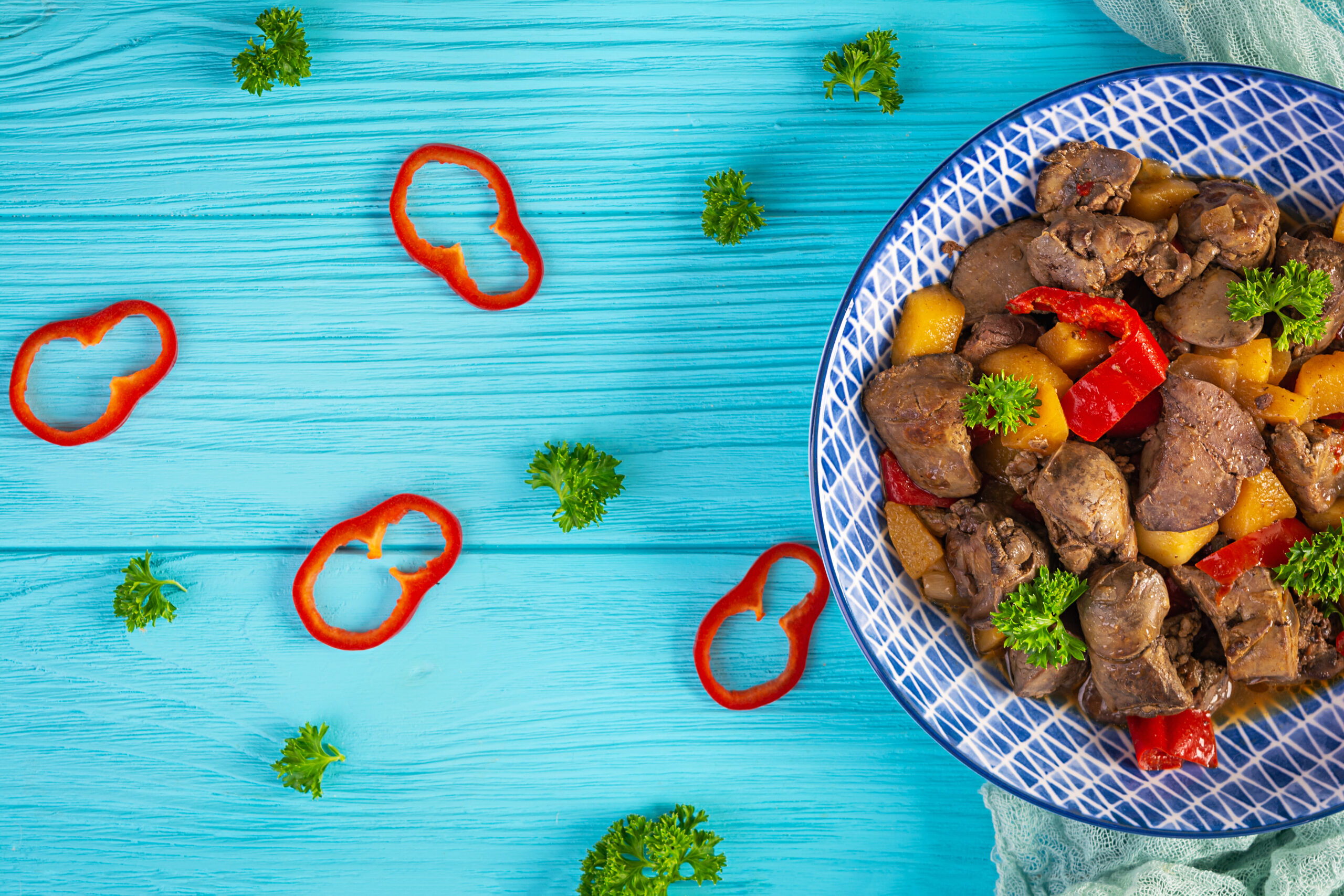
Guyanese Pepperpot is far more than a stew. It is a dish steeped in heritage, celebration, and family tradition. Across Guyana and among Caribbean communities worldwide, pepperpot is synonymous with festive gatherings, especially during the holiday season. Rich, dark, and wonderfully aromatic, this slow-simmered dish sits proudly at the centre of many tables during the Christmas period.

When discussing Caribbean Christmas food, pepperpot almost always leads the conversation. Its distinctive flavour comes largely from cassareep, a thick, bittersweet sauce made from cassava root that gives the dish its deep colour and unique taste. Combined with warming spices and tender meat, the result is a comforting stew that tells the story of Guyana’s diverse cultural influences.
The Indigenous Origins of Pepperpot
Long before modern Guyana developed its multicultural identity, the Indigenous peoples of the region were preparing pepperpot in various forms. The dish traces its origins to the Amerindian communities who lived along the rivers and forests of northern South America.
These communities discovered that cassava root could be processed into a thick sauce known as cassareep. This ingredient was not only flavourful but also acted as a natural preservative. When meat was cooked in cassareep and spices, the dish could last for several days without refrigeration.
This preservation quality proved extremely valuable in tropical climates.
Pepperpot therefore began as a practical survival food, but over time, it evolved into something much more meaningful.
Cassareep: The Heart of the Dish
Any authentic pepperpot recipe begins with cassareep.
Cassareep is made from bitter cassava root that has been grated, pressed, and boiled into a thick dark liquid. During cooking, spices such as cinnamon, cloves, and sometimes orange peel are added, giving cassareep its complex flavour profile.
The resulting sauce is slightly sweet, slightly bitter, and deeply aromatic.
It also acts as a natural preservative because of its acidity and concentration.
Without cassareep, pepperpot simply would not be pepperpot.
Today, bottled cassareep can be found in Caribbean grocery stores around the world, making it easier for home cooks to recreate the dish.
Pepperpot and Christmas in Guyana
While pepperpot can technically be enjoyed at any time of year, it is especially tied to the Christmas season in Guyana.
During Christmas Eve and Christmas morning, families gather around large pots of pepperpot that have been simmering slowly overnight.
This makes pepperpot one of the most beloved examples of Caribbean Christmas food.
Traditionally, the stew is served with:
- Homemade bread
- Plait bread
- Cassava bread
The bread is used to soak up the rich sauce, ensuring that not a drop of flavour goes to waste.
And because cassareep preserves the dish so well, pepperpot is often reheated and enjoyed for several days after Christmas.
In fact, some say the flavour improves each day, rather like certain holiday stories that grow slightly more dramatic with every retelling.
A Cultural Symbol of Guyana
Pepperpot represents the cultural diversity of Guyana itself.
Over the centuries, the country has been shaped by Indigenous, African, Indian, and European influences. Each community contributed something unique to the evolving recipe.
For example:
- Indigenous traditions introduced cassareep and preservation methods
- African culinary heritage influenced spice combinations
- Indian migrants added aromatic spices
- European settlers helped popularise the dish during colonial times
The final result is a dish that symbolises the cultural fusion of Guyana.
Pepperpot therefore tells a story of migration, adaptation, and shared tradition.
Ingredients for the Perfect Guyanese Pepperpot
There are many variations of pepperpot, but most traditional recipes include the following ingredients.
Main Ingredients
- 1 kg beef (commonly brisket or stewing cuts)
- 1 cup cassareep
- 3 cloves garlic
- 1 onion
- 1 hot pepper (often Scotch bonnet)
- 1 cinnamon stick
- 4 cloves
- 2 tablespoons brown sugar
- Salt and black pepper to taste
- 2 cups water
Optional additions sometimes include oxtail or cow foot, which add extra richness.
Step-by-Step Pepperpot Recipe
Cooking pepperpot requires patience, but the result is well worth the effort.
Step 1: Prepare the Meat
Cut the beef into medium-sized cubes. Season lightly with salt and black pepper.
Step 2: Brown the Meat
In a large heavy pot, brown the beef pieces over medium heat. This step helps build flavour and creates a rich base for the stew.
Step 3: Add Aromatics
Add chopped onion and garlic. Cook until fragrant.
Step 4: Introduce Cassareep
Pour in the cassareep along with the water. Stir well to combine.
Step 5: Add Spices
Drop in the cinnamon stick, cloves, and hot pepper. Sprinkle in the brown sugar.
Step 6: Slow Simmer
Reduce the heat and allow the stew to simmer gently for two to three hours.
The sauce will darken and thicken as it cooks.
Step 7: Taste and Adjust
Taste the pepperpot and adjust seasoning as needed.
Step 8: Rest Overnight (Optional but Traditional)
Many Guyanese cooks allow pepperpot to rest overnight before reheating the next day. This resting period deepens the flavour.
Serving Pepperpot the Traditional Way
Pepperpot is rarely served alone.
Instead, it is accompanied by bread that complements the rich sauce.
Popular options include:
- Plait bread
- Homemade white bread
- Cassava bread
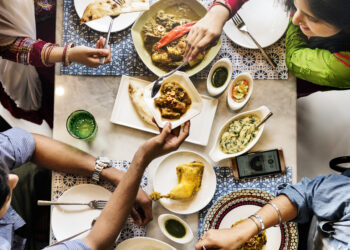
Guests often tear pieces of bread and dip them directly into the pepperpot sauce.
It is a wonderfully communal experience that encourages conversation and storytelling around the table.
Pepperpot Across the Caribbean Diaspora
Although pepperpot is strongly associated with Guyana, the dish has travelled widely through migration.
Communities in countries such as Trinidad and Tobago, Canada, and the United Kingdom often prepare pepperpot during Christmas celebrations.
For many families living abroad, cooking pepperpot keeps cultural traditions alive.
The smell of cassareep simmering in a kitchen thousands of miles away from Guyana can instantly transport people back to childhood memories and festive gatherings.
Modern Variations of Pepperpot
Contemporary cooks sometimes experiment with new ingredients while respecting the dish’s traditional roots.
Modern variations might include:
- Chicken pepperpot
- Vegetarian pepperpot with mushrooms
- Pepperpot with additional spices like star anise
While purists may prefer the classic recipe, these creative adaptations help introduce pepperpot to new audiences.
After all, every beloved dish evolves over time.
Why Pepperpot Still Matters Today?
In a world where food trends come and go quickly, pepperpot remains deeply meaningful.
It represents resilience, cultural heritage, and the importance of shared meals.
Each simmering pot carries generations of knowledge and tradition.
It reminds us that food is not just nourishment, it is history, identity, and celebration.
And when Christmas morning arrives and families gather around the table, pepperpot quietly takes its rightful place as the star of the feast.
Final Thoughts!
Guyanese pepperpot is more than a recipe; it is a cultural treasure rooted in Indigenous traditions and enriched by centuries of culinary exchange. From the deep flavour of cassareep to its place among beloved Caribbean Christmas food, this dish continues to bring families together during the festive season.
Whether you cook it for Christmas or simply out of curiosity, pepperpot offers a delicious journey into the culinary heart of Guyana.
And if you enjoy discovering food stories that simmer with culture and flavour, follow CurryBien, because every great recipe deserves a curious cook and perhaps an extra slice of bread for dipping.