
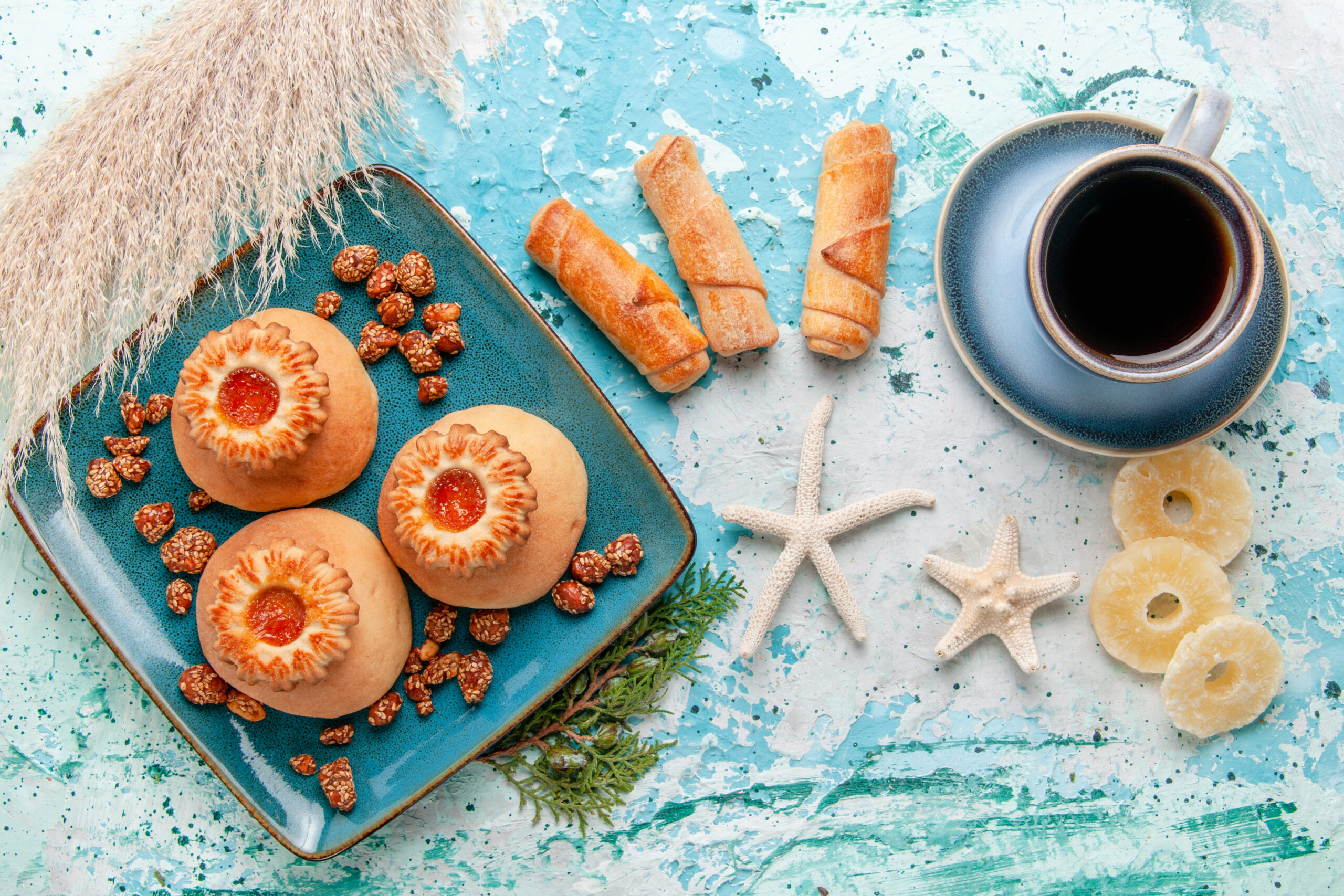
Indo-Caribbean Dessert Recipes tell a story that is just as rich as the flavours themselves. Across the Caribbean, especially in places like Trinidad and Tobago and Guyana, generations of families have blended Indian culinary traditions with tropical ingredients to create sweets that are both comforting and wonderfully unique.

These desserts are where traditional mithai meets Caribbean creativity. Think coconut instead of khoya, brown sugar instead of refined sugar, and tropical spices that add a little extra personality. The result? A delightful world of Caribbean sweets that are sweet, spicy, and increasingly trending among food lovers around the globe.
From nostalgic classics like sugar cakes and coconut drops to modern fusion desserts inspired by social media trends, Indo-Caribbean sweets are gaining attention far beyond the islands. And honestly, once you taste them, it’s quite easy to see why.
The Story Behind Indo-Caribbean Desserts
The roots of Indo-Caribbean desserts date back to the 19th century, when indentured labourers from India arrived in Caribbean colonies. They brought with them culinary traditions, cooking techniques, and a deep love for sweets known as mithai.
However, the Caribbean environment presented new ingredients and challenges. Dairy products commonly used in Indian sweets were less available, so cooks began adapting recipes.
Coconut became a central ingredient.
Local spices such as nutmeg and cinnamon added warmth.
Brown sugar and molasses replaced refined sugar in many recipes.
Over time, these adaptations created a distinctive category of desserts that honoured Indian traditions while celebrating Caribbean ingredients.
The result is a unique fusion cuisine that continues to evolve today.
Why Indo-Caribbean Desserts Are Trending?
Food trends often travel through social media, and in recent years Indo-Caribbean sweets have been enjoying a moment in the spotlight.
Several factors contribute to their rising popularity:
1. Unique Flavour Combinations
The blend of tropical ingredients with traditional Indian dessert techniques creates bold flavours rarely found elsewhere.
2. Cultural Curiosity
Food lovers are increasingly interested in discovering lesser-known cuisines and heritage dishes.
3. Visual Appeal
Many Caribbean sweets are colourful, textured, and visually appealing, perfect for sharing online.
4. Nostalgia and Heritage
For Caribbean communities around the world, these desserts offer a delicious connection to family traditions.
And for newcomers, they’re simply delightful treats that feel both familiar and excitingly different.
Sugar Cakes: A Caribbean Classic
Sugar cakes are perhaps one of the most recognisable Indo-Caribbean desserts.
Despite the simple name, they are far more interesting than plain sugar.
Ingredients
- Fresh grated coconut
- Brown sugar
- Ginger
- Vanilla essence
- Water
How They’re Made?
The coconut and sugar are slowly cooked together until the mixture thickens and becomes slightly sticky. Ginger adds warmth while vanilla brings a comforting aroma.
Once ready, spoonfuls of the mixture are dropped onto a tray and left to cool.
As they set, they form small chewy cakes packed with coconut flavour.
Why They’re Loved?
Sugar cakes perfectly represent the fusion of Indian sweet-making techniques with Caribbean ingredients. They are rich, aromatic, and just a little addictive.
Coconut Drops: Sweet with a Little Spice
Another beloved dessert across the Caribbean is coconut drops.
These treats are particularly popular in Jamaica, though variations appear across many islands.
Ingredients
- Grated coconut
- Brown sugar
- Fresh ginger
- Nutmeg
- Water
Preparation
The ingredients are simmered together until the syrup thickens and coats the coconut pieces.
Then the mixture is spooned onto parchment or banana leaves and left to harden slightly.
The final result is chewy, fragrant, and wonderfully satisfying.
Coconut drops are a perfect example of how simple ingredients can create something truly memorable.
Gulab Jamun’s Caribbean Cousins
Traditional Indian desserts such as gulab jamun have also inspired Caribbean variations.
While the classic version relies on milk solids, Caribbean adaptations often experiment with local ingredients.
Some versions include:
- Coconut-based dough
- Cardamom-infused syrup
- Tropical fruit flavours
These creative twists maintain the spirit of traditional mithai while introducing Caribbean flair.
Fusion Desserts Taking Social Media by Storm
Modern chefs and home bakers are taking Indo-Caribbean sweets to new heights.
Fusion desserts are appearing in bakeries and food festivals, blending old recipes with contemporary creativity.
Some trending ideas include:
1. Coconut Mithai Cheesecake
A cheesecake infused with coconut and cardamom flavours, inspired by classic mithai.
2. Sugar Cake Ice Cream
The chewy coconut dessert transformed into creamy ice cream.
3. Coconut Drop Crumble
A dessert that combines coconut drops with buttery crumble topping.
These modern interpretations introduce Caribbean sweets to new audiences while keeping traditional flavours alive.
Tropical Ingredients That Define Indo-Caribbean Desserts
Several ingredients give these desserts their distinctive character.
1. Coconut
Perhaps the most important ingredient in Indo-Caribbean sweets.
It adds richness, texture, and a naturally sweet flavour.
2. Brown Sugar
Many Caribbean recipes prefer brown sugar or molasses, giving desserts a deep caramel-like taste.
3. Ginger
Fresh ginger adds a subtle spicy warmth that balances sweetness beautifully.
4. Nutmeg
Commonly grown in Caribbean regions such as Grenada, nutmeg provides aromatic depth.
Together, these ingredients create desserts that are both sweet and gently spiced.
Celebrations and Sweet Traditions
Indo-Caribbean desserts are often associated with celebrations.
During festivals, weddings, and family gatherings, trays of sweets appear on tables as symbols of hospitality and joy.
Popular occasions include:
- Religious festivals
- Weddings
- Community celebrations
- Family gatherings
Sharing sweets is an important cultural gesture, representing generosity and togetherness.
And of course, no celebration is complete without someone quietly sneaking an extra dessert when no one is looking.
Tips for Making Indo-Caribbean Desserts at Home
If you’re inspired to try these recipes, here are a few helpful tips.
1. Use Fresh Coconut When Possible
Fresh coconut provides a richer flavour compared to dried alternatives.
2. Balance the Spice
Ginger and nutmeg should complement sweetness rather than overpower it.
3. Cook Slowly
Many Caribbean sweets rely on slow simmering to develop their flavours and textures.
4. Experiment with Fusion Ideas
Don’t be afraid to add modern twists, these desserts have always evolved through creativity.
The Global Future of Indo-Caribbean Sweets
As global food culture continues to expand, Indo-Caribbean desserts are gaining recognition beyond the Caribbean.
Restaurants, bakeries, and food bloggers are showcasing these treats to international audiences.
Food festivals celebrating multicultural cuisine often highlight Caribbean sweets alongside traditional mithai and other global desserts.
This growing appreciation ensures that these recipes will continue to evolve while remaining rooted in heritage.
And frankly, the world could always use a few more coconut-filled desserts.
Final Thoughts!
Indo-Caribbean desserts beautifully illustrate how cultures merge and adapt through food. By blending Indian sweet-making traditions with tropical Caribbean ingredients, generations of cooks have created a vibrant collection of Caribbean sweets that celebrate both heritage and creativity.
From nostalgic favourites like sugar cakes and coconut drops to modern fusion desserts that trend across social media, these treats capture the essence of cultural storytelling through flavour.
They remind us that desserts are not just indulgences, they’re memories, traditions, and shared experiences.
And if you enjoy exploring delicious stories like these, follow CurryBien and let your next culinary adventure be sweet, spicy, and just a little coconutty.