
Trinidadian Doubles are one of the most beloved bites in the world of Caribbean street food recipes—a humble yet utterly irresistible combination of soft fried flatbreads, curried chickpeas, tangy chutneys, and a hint of fiery pepper sauce. If you’ve ever wandered through the lively streets of Trinidad and Tobago early in the morning, you’ll know that the aroma of freshly made doubles drifting from street stalls is practically a national wake-up call.

This famous snack may look simple, but mastering it at home requires the right balance of flavours, textures, and a bit of confidence with spices. In this detailed guide, you’ll learn how to make Trinidadian doubles like a pro, complete with a step-by-step recipe, useful tips, and plating ideas so your homemade version looks as good as it tastes.
What Exactly Are Trinidadian Doubles?
Trinidadian doubles consist of two small pieces of fried flatbread known as bara, filled with a fragrant curried chickpea mixture called channa. The filling is usually topped with various condiments such as tamarind sauce, mango chutney, cucumber chutney, or pepper sauce.
The name “doubles” simply refers to the two pieces of bara that hold the filling together. Traditionally, vendors serve them folded in wax paper so you can eat them on the go, often with one hand while chatting with friends or rushing to work.
Despite their simplicity, doubles are packed with flavour. The bara is soft and slightly fluffy, the chickpeas are warmly spiced, and the chutneys add sweet, sour, and spicy layers.
In short, it’s comfort food with personality.
The Cultural Roots of Doubles
Doubles have their origins in Trinidad and Tobago’s Indo-Caribbean community. The dish evolved from Indian culinary traditions brought to the Caribbean by indentured labourers in the 19th century.
The original version was called bara and channa. Over time, vendors began serving two pieces of bara instead of one, hence the nickname “doubles”.
Today, doubles are more than just breakfast. They’re a symbol of Caribbean street culture and one of the most famous Caribbean street food recipes enjoyed worldwide.
If you ever visit Trinidad and Tobago, locals will readily engage in lively discussions about which street vendor prepares the finest doubles. Such debates are taken with remarkable enthusiasm, approaching the level of seriousness usually reserved for football, though perhaps just slightly less.
Ingredients for Authentic Trinidadian Doubles
For the Bara (Fried Flatbread)
- 2 cups plain flour
- 1 teaspoon turmeric powder
- 1 teaspoon ground cumin
- 1 teaspoon sugar
- 1 teaspoon instant yeast
- ½ teaspoon salt
- ¾ cup warm water
- Vegetable oil for frying
For the Curried Chickpeas (Channa)
- 2 cups cooked chickpeas
- 1 small onion, finely chopped
- 2 cloves garlic, minced
- 1 teaspoon grated ginger
- 1 tablespoon curry powder
- 1 teaspoon ground cumin
- ½ teaspoon turmeric
- 1 teaspoon ground coriander
- 1 cup water or chickpea stock
- Salt to taste
- Fresh coriander leaves
For the Toppings
- Tamarind chutney
- Mango chutney
- Cucumber chutney
- Pepper sauce
- Finely chopped cucumber
- Fresh coriander
These toppings are where your doubles truly become your own. Some people go sweet, some go spicy, and some go absolutely fearless with the pepper sauce.
Step-by-Step Guide: Making Doubles at Home
Step 1: Prepare the Bara Dough
Start by mixing the flour, turmeric, cumin, sugar, yeast, and salt in a large bowl.
Slowly add warm water and mix until a soft dough forms. Knead for about five minutes until smooth.
Cover the bowl with a clean cloth and let the dough rest for about one hour until slightly risen.
The dough should feel soft and slightly sticky, perfect for fluffy bara.
Step 2: Cook the Curried Chickpeas
Heat a tablespoon of oil in a saucepan.
Add the chopped onion and sauté until soft. Stir in the garlic and ginger, cooking for another minute until fragrant.
Next, add the curry powder, cumin, turmeric, and coriander. Toast the spices briefly to release their aroma.
Add the chickpeas and water, then simmer for 15–20 minutes.
Use the back of a spoon to mash some of the chickpeas slightly. This creates the thick, comforting texture doubles are known for.
Season with salt and stir in fresh coriander.
Your kitchen will smell absolutely glorious at this stage.
Step 3: Shape the Bara
Once the dough has rested, divide it into small golf-ball sized portions.
Flatten each piece gently into small discs.
Don’t worry about perfect shapes, doubles are proudly rustic.
Step 4: Fry the Bara
Heat oil in a deep frying pan.
Carefully slide each flattened dough piece into the oil.
Fry for about 10–15 seconds per side until lightly puffed and golden.
Remove and drain on paper towels.
The bara should be soft and flexible rather than crispy.
Step 5: Assemble the Doubles
This is the most fun part.
Take one bara and place it on a plate. Spoon a generous amount of curried chickpeas in the centre.
Top with tamarind chutney, cucumber, coriander, and a dash of pepper sauce.
Place a second bara on top or fold the bottom one over the filling.
Congratulations, you’ve just made Trinidadian doubles.
Detailed Recipe Tips for Perfect Doubles
Even though doubles are simple, a few tricks can elevate them from good to unforgettable.
1. Keep the Bara Soft
The dough should be slightly sticky before frying. This helps create the signature soft texture.
If the dough is too dry, your bara may turn out tough.
2. Don’t Overcook the Chickpeas
The channa filling should be thick but still saucy. Mash a few chickpeas for creaminess but keep most whole.
3. Use Fresh Chutneys
Fresh chutneys add brightness and balance.
A mix of sweet tamarind, cool cucumber, and spicy pepper sauce is the classic combination.
4. Serve Immediately
Doubles taste best when freshly assembled.
Once the bara sits too long, it can become soggy.
That said, people still eat them happily, because when something tastes this good, nobody complains.
Plating Tips for Restaurant-Style Doubles
While doubles are traditionally street food, you can absolutely present them beautifully at home.
1. Use Small Plates or Wooden Boards
Serve the doubles on small plates with extra chutneys in tiny bowls. It creates a colourful presentation perfect for gatherings.
2. Add Fresh Herbs
A sprinkle of chopped coriander or spring onions instantly brightens the dish.
3. Play with Texture
Add thinly sliced cucumber or pickled onions on top for crunch.
4. Create a Street Food Platter
If you’re hosting guests, pair doubles with other Caribbean street food recipes such as:
- Pholourie
- Aloo pies
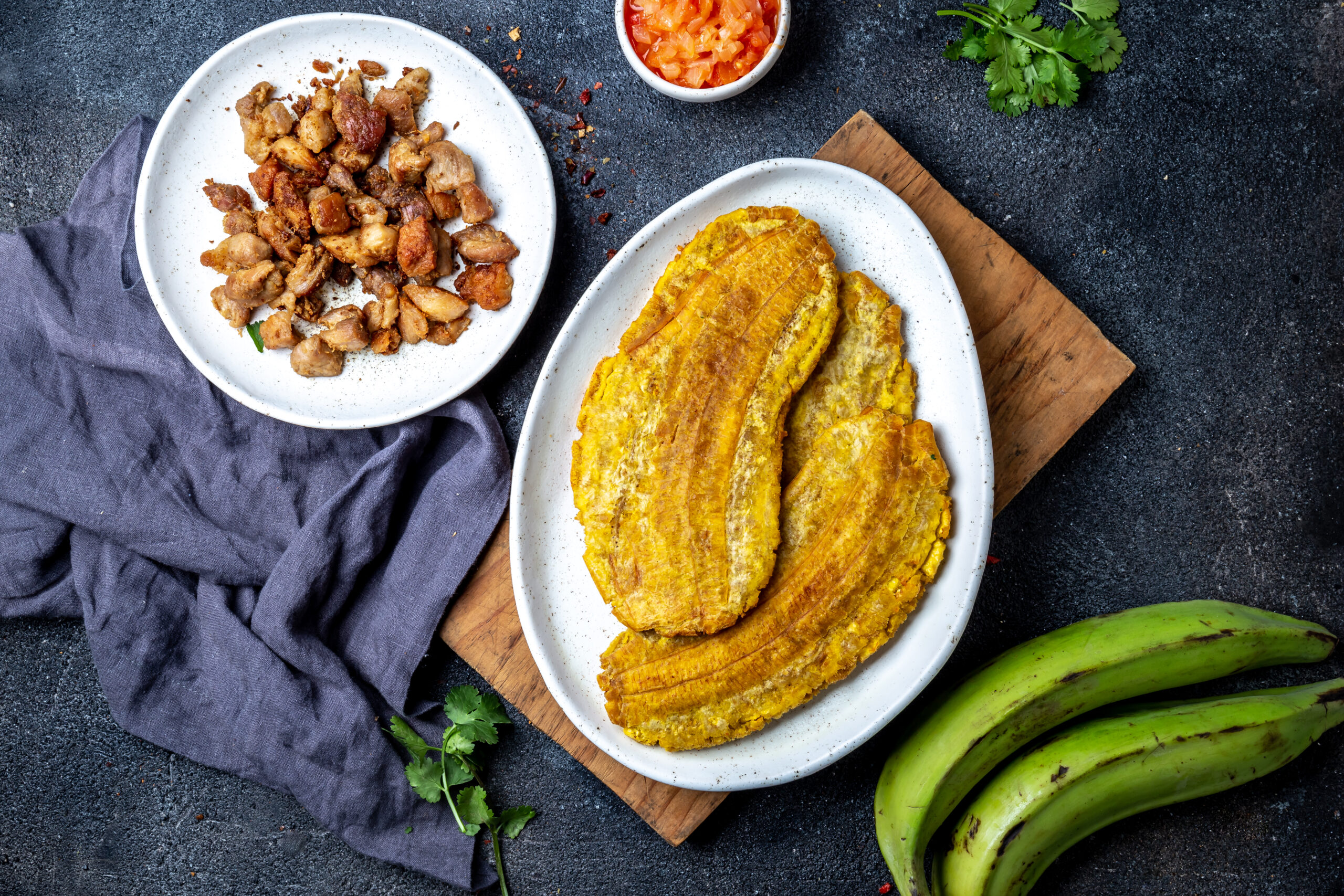
- Fried plantains
Suddenly your kitchen feels like a Caribbean food market.
Common Mistakes When Making Doubles
Even experienced cooks sometimes struggle with their first batch of doubles.
Here are a few pitfalls to avoid.
1. Using too much flour when shaping the dough
This can make the bara dry.
2. Frying at low temperature
Oil that isn’t hot enough will produce greasy flatbread.
3. Overloading with toppings
Tempting, yes, but balance is key.
Why Doubles Are So Loved?
Part of the magic of doubles lies in their balance.
You get soft bread, hearty chickpeas, tangy sauces, and a burst of spice all in one bite.
It’s also a wonderfully social food. In Trinidad, people gather around doubles stalls chatting, laughing, and debating the perfect topping combination.
Food doesn’t get much friendlier than that.
Variations to Try
Once you’ve mastered the classic version, you can experiment with creative twists.
1. Vegan Doubles
The traditional recipe is already naturally vegan, one reason it’s gaining popularity worldwide.
2. Spicy Doubles
Add finely chopped Scotch bonnet pepper to the chickpea mixture for extra heat.
3. Gourmet Doubles
Top with pickled red onions, avocado slices, or even roasted pumpkin for a modern twist.
Nutritional Benefits
Doubles aren’t just tasty, they’re surprisingly nourishing.
Chickpeas provide:
- Plant-based protein
- Fibre for digestion
- Essential minerals
When enjoyed in moderation, doubles can be both comforting and nutritious.
Final Thoughts!
Trinidadian Doubles may have humble beginnings as a simple street snack, but their bold flavours and cultural significance have made them one of the most iconic dishes in Caribbean street food recipes. With soft bara, fragrant chickpeas, and vibrant chutneys, this dish perfectly captures the warmth and creativity of Caribbean cooking.
With the detailed recipe and plating tips in this guide, you now have everything you need to recreate authentic doubles in your own kitchen. Once you make them a few times, you’ll quickly see why people line up early in the morning just to grab a fresh batch from their favourite vendor.
And remember, good food tastes even better when shared, so make extra doubles for friends, family, or anyone who happens to wander into your kitchen when the aroma of curry and spices fills the air.
For more flavour-packed recipes and culinary adventures, be sure to follow CurryBien, your future self will thank you.