
Spinach vs Kale vs Chard, the leafy green showdown quietly happening in fridges, farmers’ markets, and smoothie blenders across the UK. One promises iron-powered energy, another boasts superfood status, and the third sits there looking elegant and slightly underappreciated. In 2026, as UK households lean further into wellness-focused eating, the humble green leaf has become something of a kitchen celebrity.

But which one actually deserves the hype? Is kale still the social media darling? Does spinach still reign supreme in everyday cooking? And where exactly does chard fit into modern plates?
Let’s dig into the leafy drama with a practical, honest, look at the nutritional benefits of greens, healthy recipes, and how today’s home cooks are really using them.
Why Leafy Greens Are Having a Major Moment?
Across the UK, eating habits have shifted noticeably over the past few years. Post-pandemic health awareness, rising interest in plant-forward diets, and the influence of global cuisines have pushed leafy greens firmly into the spotlight.
Today’s shoppers aren’t just grabbing iceberg lettuce and calling it a day. Instead, they’re:
- Adding greens to smoothies and breakfast bowls
- Building vibrant grain bowls and wraps
- Exploring Caribbean, Mediterranean, and Asian cooking styles
- Looking for nutrient-dense ingredients that actually taste good
In short, greens are no longer the sad side dish. They’re the main character.
1. Spinach: The Everyday Classic
Let’s start with the reliable favourite. Spinach has been quietly doing its job in British kitchens for decades, no drama, no flashy marketing, just consistent performance.
Nutritional highlights
Spinach is well known for:
- Iron content (though absorption improves with vitamin C)
- Vitamin A and vitamin K
- Folate
- Magnesium
It’s low in calories but high in nutrients, making it a staple in many healthy eating plans.
Why home cooks love it?
Spinach wins major points for flexibility. It:
- Wilts quickly
- Blends smoothly into sauces and smoothies
- Works raw or cooked
- Has a mild, approachable flavour
Busy weeknight cooks appreciate that spinach doesn’t require a strategy meeting before use.
Best ways to cook spinach
In modern UK kitchens, spinach often appears in:
- Quick garlic sautés
- Creamy curries
- Omelettes and frittatas
- Smoothies
- Stuffed flatbreads
Tiny reality check: spinach shrinks dramatically when cooked. That enormous bag will become approximately three polite spoonfuls.
2. Kale: The Former Superfood Superstar
kale- the green that launched a thousand wellness blogs. Once crowned the undisputed king of clean eating, kale still has a loyal following, though the hype has mellowed slightly.
Nutritional highlights
Kale is particularly rich in:
- Vitamin K
- Vitamin C
- Antioxidants
- Fibre
- Calcium (plant-based)
From a purely nutritional standpoint, kale is undeniably impressive.
The love-hate relationship
Let’s be honest: kale requires effort. Unlike spinach, it doesn’t simply surrender in the pan.
Common complaints include:
- Tough texture
- Slight bitterness
- Need for proper prep
However, when treated properly, kale can be genuinely delicious.
How modern cooks are using kale?
In 2026, kale has matured beyond the raw salad phase. Popular uses now include:
- Massaged kale salads
- Baked kale crisps
- Blended green sauces
- Stir-fries
- Hearty soups and stews
Pro tip: removing the thick stems and massaging the leaves with oil or lemon makes a noticeable difference.
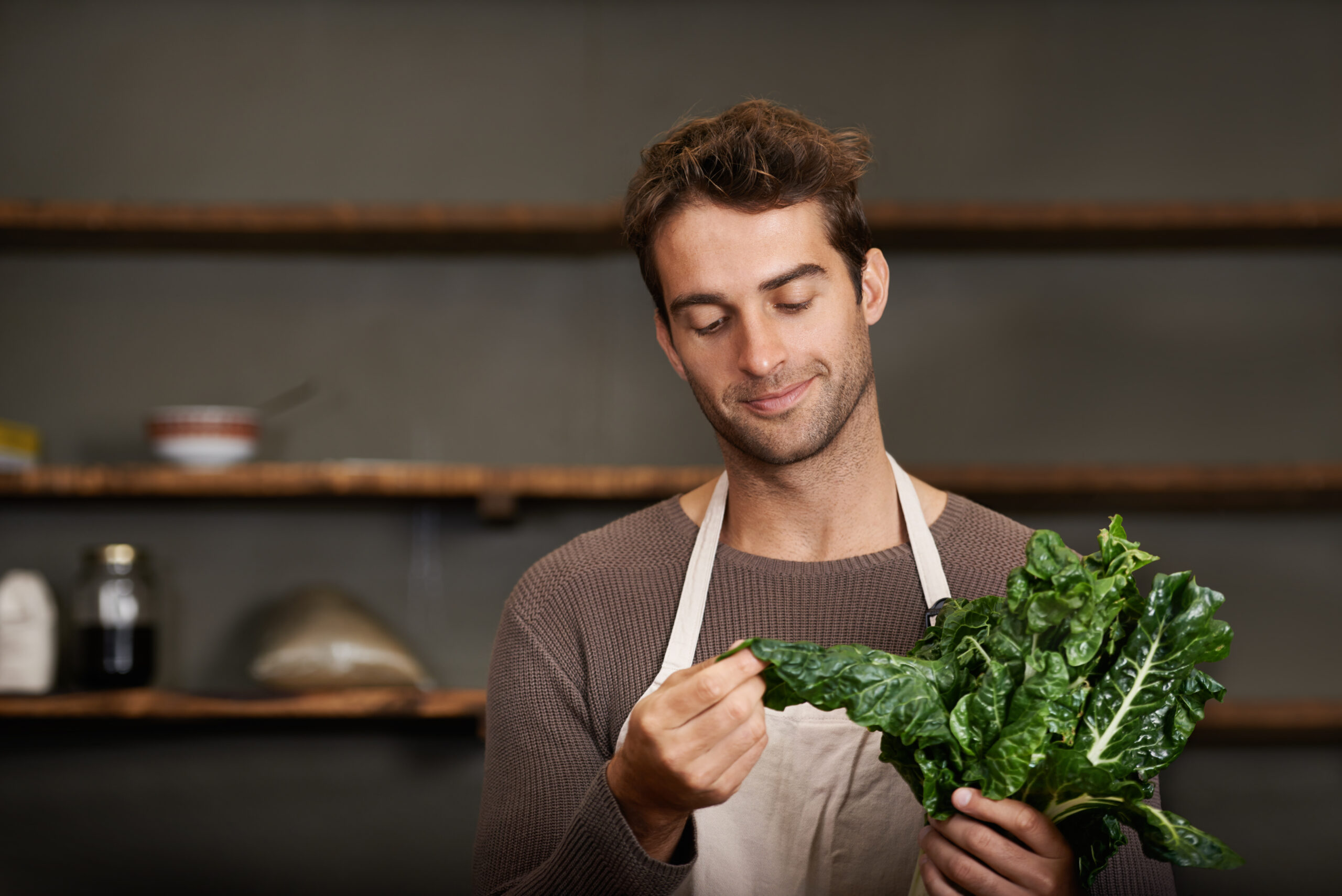
3. Chard: The Underrated Middle Child
Swiss chard (often just called chard) rarely gets the spotlight, but that may be changing. With its colourful stems and slightly earthy flavour, chard is quietly gaining fans among adventurous home chefs.
Nutritional highlights
Chard offers:
- Vitamins A, C, and K
- Magnesium
- Potassium
- Antioxidants
Nutritionally, it sits comfortably alongside its more famous cousins.
Why it deserves more attention?
Chard brings something unique:
- Mild but slightly earthy flavour
- Tender leaves
- Edible stems with gentle crunch
- Visually striking colours
It’s essentially what happens when spinach and kale have a very well-behaved cousin.
Best cooking methods
Chard shines when:
- Lightly sautéed with garlic
- Added to Mediterranean dishes
- Folded into dals and curries
- Used in savoury pies
- Stirred into pasta dishes
UK cooks exploring multicultural cooking are increasingly discovering how well chard adapts to global flavours.
Head-to-Head: Which Green Wins?
If we compare spinach vs kale vs chard across key categories, the picture becomes clearer.
1. Ease of use
- Winner: Spinach
It’s fast, forgiving, and beginner-friendly.
2. Nutrient density
- Winner: Kale (by a small margin)
Though all three are highly nutritious.
3. Flavour versatility
- Winner: Spinach and chard (tie)
Both adapt easily to different cuisines.
4. Texture lovers
- Winner: Kale
Best for those who enjoy a bit of bite.
5. Most underrated
- Winner: Chard
Quietly excellent and finally getting noticed.
The truth? There’s no single champion. The smartest kitchens rotate all three.
How UK Food Trends Are Shaping Green Choices?
Looking at current UK food trends in 2026, several patterns explain why these greens are thriving.
1. Plant-forward eating is mainstream
More households are embracing:
- Flexitarian diets
- Meat reduction
- Vegetable-led meals
- High-fibre eating
Leafy greens fit perfectly into this shift.
2. Global flavours are influencing home cooking
From Indo-Caribbean saag-style dishes to Mediterranean sautés, UK home chefs are cooking more adventurously than ever. Spinach, kale, and chard all absorb bold spices beautifully.
3. Social media is normalising greens
Food creators UK audiences follow are showing:
- Quick green-packed meals
- “Hide the veg” family recipes
- Budget-friendly healthy cooking
- Meal prep ideas
Seeing real people cook with greens makes them far less intimidating.
Easy Healthy Recipes Using Each Green
Let’s keep things practical. Here are simple, modern ways to use each leafy star.
1. Quick spinach garlic sauté
You’ll need:
- Fresh spinach
- Garlic
- Olive oil
- Salt and pepper
Method:
- Heat oil in a pan.
- Add sliced garlic.
- Toss in spinach.
- Cook until just wilted.
Done in under five minutes, and yes, it will shrink.
2. Crispy baked kale chips
You’ll need:
- Kale leaves (stems removed)
- Olive oil
- Sea salt
Method:
- Massage oil into leaves.
- Spread on a baking tray.
- Bake at 160°C until crisp.
Surprisingly addictive and far healthier than the average crisp packet.
3. Simple sautéed chard with lemon
You’ll need:
- Chard (leaves and stems chopped)
- Garlic
- Olive oil
- Lemon juice
Method:
- Cook stems first for 2–3 minutes.
- Add leaves and garlic.
- Finish with lemon juice.
Elegant, quick, and very weeknight-friendly.
Common Mistakes When Cooking Leafy Greens
Even experienced home cooks occasionally get caught out.
Watch for these pitfalls:
- Overcooking spinach → turns mushy
- Skipping kale prep → results in chewiness
- Ignoring chard stems → wastes the best bit
- Under-seasoning → greens need proper flavour support
- Overcrowding the pan → leads to steaming instead of sautéing
A little attention goes a long way.
The Bottom Line: Variety Beats Loyalty
If you were hoping for a dramatic leafy crown ceremony, apologies, the real winner is variety.
- Spinach excels in speed and convenience
- Kale dominates in nutrient density
- Chard brings elegance and versatility
Modern healthy eating in the UK isn’t about picking one “superfood” and eating it endlessly. It’s about building colourful, varied plates that keep both nutrition and taste in balance.
In other words: rotate your greens, season generously, and don’t believe everything you read on smoothie packaging.
Because the best kitchens in 2026 aren’t chasing hype, they’re cooking smart.
And if you love exploring food trends, smart ingredients, and delicious global inspiration, don’t forget to give CurryBien a little follow, your future meals will thank you.