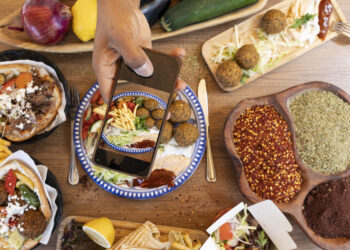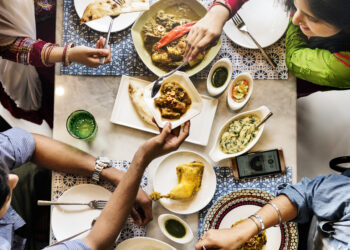

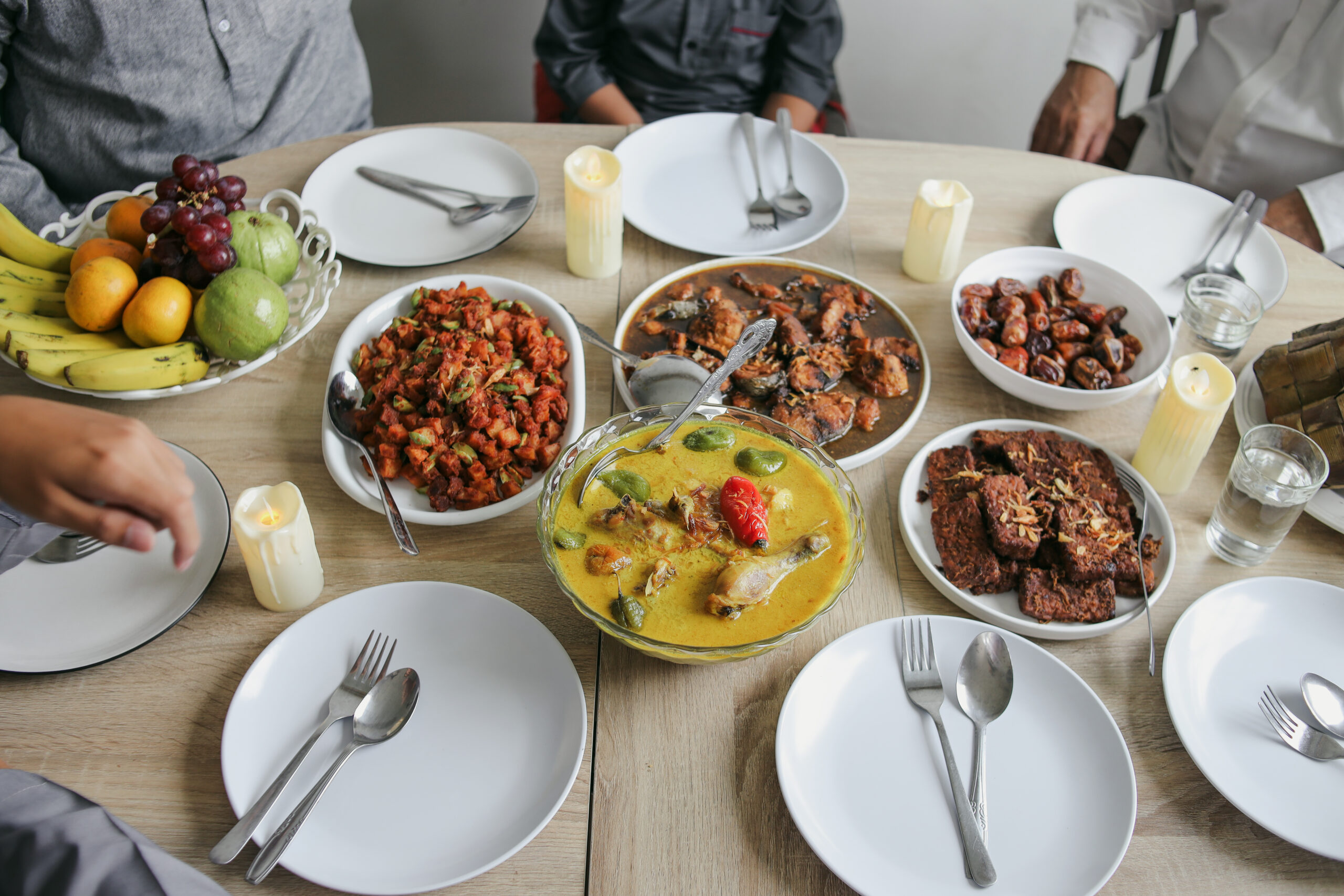
Sunday Lunch Indo-Caribbean Style is more than a meal; it is a rhythm, a ritual, and a reminder that no matter how scattered the week becomes, there is always a table waiting to bring everyone back together. The aromas drifting through the kitchen, the chatter rising above simmering pots, and the familiar clatter of plates form a tradition that feels both timeless and comforting. It is not simply about food on a plate, but about the quiet reassurance that some customs refuse to fade, even as the world spins faster each year.

In many Indo-Caribbean households across the UK and beyond, Sunday lunch is less of an optional gathering and more of an unspoken agreement. It is the one day when schedules soften, phones are reluctantly set aside, and kitchens become theatres of memory. While modern lifestyles have introduced convenience meals and takeaway temptations, the Indo-Caribbean Sunday lunch continues to stand its ground, stubbornly flavourful and proudly communal.
At its core, Sunday Lunch Indo-Caribbean Style is not just nourishment; it is cultural storytelling served alongside steaming rice and fragrant curries. Each dish carries whispers of ancestral journeys, island climates, and generational recipes that have survived migration, adaptation, and the occasional experimental cousin who once tried adding pineapple where it clearly did not belong.
The Kitchen as a Storytelling Space
In Indo-Caribbean culture, the kitchen is rarely silent. It hums with conversation, debate, and the occasional friendly argument about whether the dhal should be thicker or thinner. Sunday cooking is where culinary skills meet oral history. Grandparents recount how their parents prepared the same dishes decades ago, often without measurements, relying instead on instinct and experience.
These culinary tales are not merely nostalgic. They form a living archive of Caribbean traditions and family identity. A recipe passed down is rarely written; it is demonstrated, tasted, corrected, and memorised. Children learn by watching, by stirring, by being trusted to peel potatoes or wash coriander, small tasks that quietly introduce them to responsibility and belonging.
Food becomes the medium through which history travels. The spices reflect Indian roots, the ingredients reveal Caribbean adaptation, and the cooking techniques show resilience. It is a blend that mirrors the Indo-Caribbean identity itself, layered, vibrant, and unapologetically rich.
The Structure of the Sunday Gathering
Sunday lunch also reinforces family structure. Unlike hurried weekday dinners where everyone eats at different times, Sunday demands synchronisation. Chairs are pulled closer, extra plates appear for unexpected guests, and someone inevitably says, “There’s always room for one more.” That sentence alone sums up the ethos.
Elders often sit at the head of the table, not by strict rule but by natural respect. Younger members listen, laugh, and occasionally pretend to understand old proverbs. Conversations span everything from community news to childhood mischief, creating a tapestry of shared experience. This ritual strengthens bonds that digital messages simply cannot replicate.
Even extended family members who live far away attempt to join when possible. The importance lies not just in attendance, but in the acknowledgement that family meals are a cornerstone of cultural continuity. It is less about formality and more about presence.
The Dishes That Define the Tradition
While menus may vary between households, certain staples appear with comforting regularity. Curry chicken, dhal and rice, roti, stewed vegetables, and chutneys often anchor the meal. The flavours are bold yet balanced — turmeric’s warmth, cumin’s earthiness, and the bright lift of fresh herbs.
These dishes are not chosen randomly. They reflect generational recipes shaped by availability and ingenuity. Ingredients once scarce were substituted creatively, and over time, those substitutions became traditions in their own right. This adaptability is part of what keeps Sunday Lunch Indo-Caribbean Style alive; it evolves without losing its soul.
And yes, dessert often makes a dramatic entrance. Whether it is gulab jamun, coconut drops, or homemade cake, sweetness signals completion. It is the culinary equivalent of a final chapter, ensuring the gathering ends on a note of satisfaction.
Why It Endures in a Modern World?
One might assume that busy urban lifestyles would erode such traditions. Yet, paradoxically, modern pressures make them even more necessary. In a week dominated by deadlines, screens, and fragmented attention, Sunday lunch offers a rare pause. It is a reminder that productivity does not replace connection.
For second- and third-generation Indo-Caribbean families in the UK, this ritual also serves as a cultural anchor. It keeps younger generations in touch with heritage while allowing them to reinterpret it. Some households may swap traditional dishes for healthier versions or blend cuisines, but the essence remains, gathering, sharing, and remembering.
The humour woven into these meals is equally important. Someone will inevitably tease the cook, someone else will overfill their plate and regret it, and laughter will echo louder than the cutlery. These light moments build emotional memory, ensuring the tradition is associated with joy rather than obligation.
Cultural Identity Served on a Plate
Food is one of the most accessible and enduring expressions of identity because it is experienced through the senses, tasted, smelled, seen, and shared. For Indo-Caribbean communities, Sunday lunch evolves into far more than a weekly routine; it becomes a quiet yet powerful affirmation of heritage. Each dish reflects a layered history of migration, adaptation, and resilience, combining Indian culinary roots with Caribbean influences and, for many families in the UK, modern local ingredients. Without speeches or ceremonies, the meal itself becomes a cultural statement. The act of sitting together, serving familiar recipes, and repeating inherited flavours bridges continents and generations effortlessly. What appears simple on the surface carries deep significance when viewed through this lens, a plate of food becomes a reminder of ancestry, belonging, and continuity.
Children who grow up attending these gatherings absorb far more than recipes. They learn unspoken customs: how elders are greeted, how plates are offered before serving oneself, how laughter and conversation flow alongside the food. Even if the menu evolves over time, perhaps incorporating new ingredients or healthier alternatives, the core ritual remains. The weekly pause to gather, eat, and reconnect becomes embedded in their sense of normalcy. As they grow older and lead independent lives, many instinctively recreate the habit in their own households, sometimes adjusting the format but preserving the essence. This continuity illustrates that traditions do not rely on strict rules or rigid structures to endure. Instead, they survive through shared meaning, emotional connection, and the steady rhythm of repetition, small actions performed consistently until they become part of a community’s collective identity.
The Role of Humour and Warmth
There is also a distinctive and enduring warmth associated with Sunday Lunch Indo-Caribbean Style that naturally resists excessive formality. The atmosphere is characterised by ease rather than etiquette, where gentle teasing is received with affection, second servings are not merely permitted but encouraged, and carefully planned dietary intentions often yield to the persuasive appeal of well-prepared dishes. These seemingly minor interactions, such as light-hearted debates over who prepares the finest roti, or playful remarks regarding individual tolerance for spice, contribute personality and charm to the occasion. They serve as social cues that the gathering is not governed by rigid expectations but by mutual comfort and familiarity.
This understated humour performs an important social function. It prevents the event from becoming ceremonial or obligatory, ensuring that participation arises from genuine desire rather than duty. The informal exchanges foster an environment that is both welcoming and inclusive, allowing attendees of all ages to feel equally at ease. Consequently, each weekly reunion retains a sense of freshness and spontaneity, even as the structure remains familiar. The balance between tradition and informality enables the gathering to endure across generations, sustaining its relevance while preserving its warmth and authenticity.
Passing the Baton Forward
Perhaps the most remarkable aspect is how effortlessly the responsibility transitions over time. Younger family members gradually assume cooking roles, often blending traditional methods with contemporary influences. This shift is less about replacing elders and more about continuing the narrative.
The tradition survives because it is shared, not owned. It adapts without losing authenticity, ensuring relevance across generations. In doing so, it becomes both a cultural safeguard and a social glue.
More Than a Meal!
Ultimately, Sunday Lunch Indo-Caribbean Style endures because it fulfils multiple roles simultaneously. It nourishes the body, reinforces family structure, preserves cultural storytelling, and offers emotional reassurance. It is a weekly reminder that while lifestyles evolve, the need for connection remains constant.
In a world where speed often overshadows substance, this simple gathering proves that some traditions do not merely survive, they thrive. And as long as kitchens continue to echo with laughter and spice-laden aromas, the Sunday table will remain a place of unity, identity, and comfort.
Follow Currybien for more interesting information.