
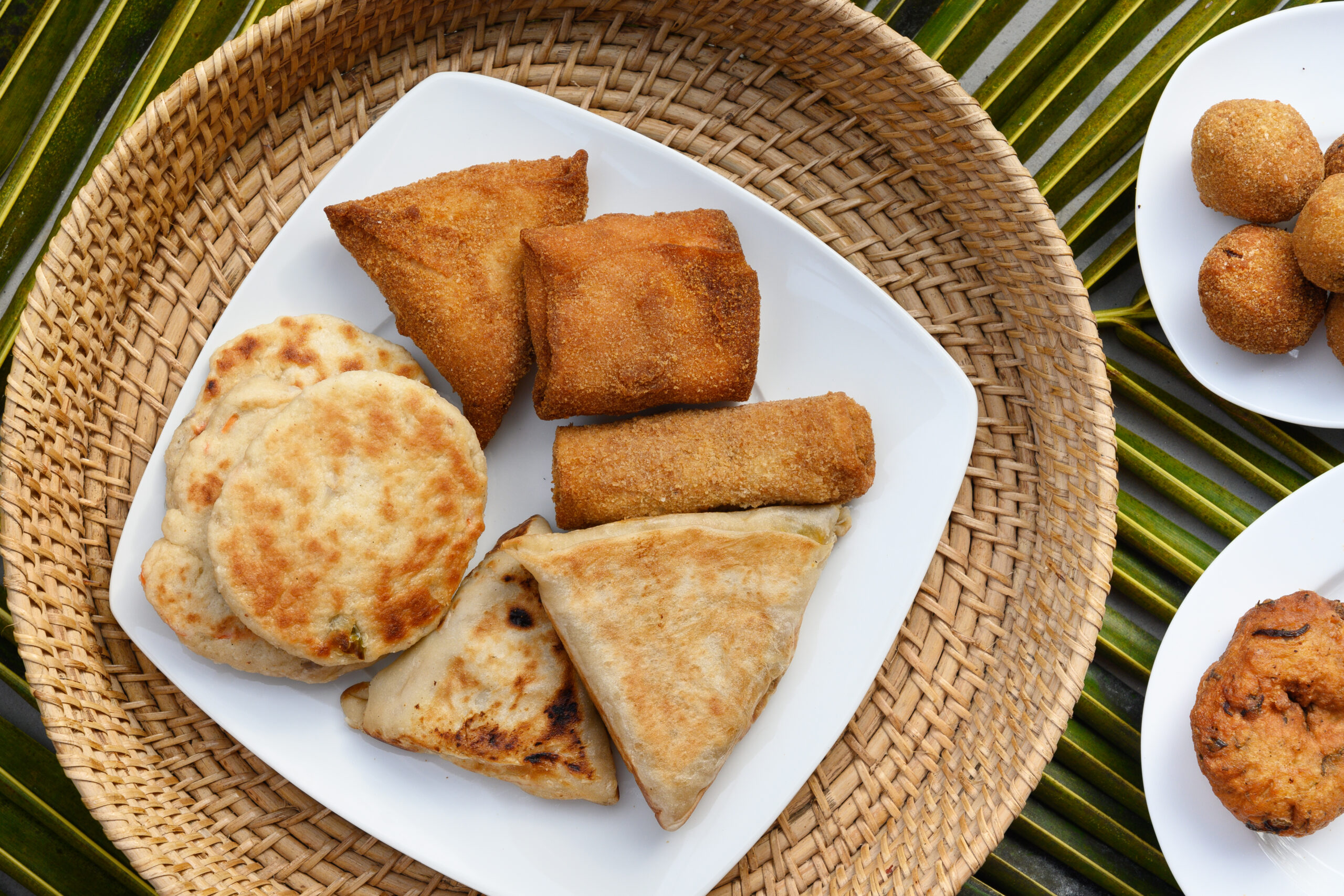
Guyana Trinidad roti is one of those phrases that can instantly spark lively discussion, friendly rivalry, and at least one passionate debate over who makes the “real” version. It is a culinary conversation that travels effortlessly from kitchen tables in the Caribbean to living rooms in London, Toronto, and New York, where diaspora families continue the tradition with equal enthusiasm. The mere mention of roti often brings with it memories of warm flatbreads wrapped around fragrant curries, the comforting scent of toasted flour, and the unmistakable sound of hands clapping dough into shape. It is food, yes, but it is also pride, heritage, and a playful argument waiting to happen.

Few dishes inspire as much affectionate rivalry within the Caribbean as roti. While both Guyana and Trinidad share Indo-Caribbean culinary roots, their interpretations of roti have evolved into distinct identities, each proudly defended by loyal fans. In 2026, the Caribbean food debate surrounding roti has gained renewed momentum online, with food bloggers, chefs, and enthusiastic home cooks weighing in on regional differences and championing their preferred roti styles.
At its heart, the Guyana vs Trinidad roti debate is not about declaring a winner. Rather, it is about celebrating diversity within shared heritage, a reminder that tradition can take many delicious forms.
The Origins of Roti in the Caribbean
Roti arrived in the Caribbean through Indian indentured labourers during the 19th century. These communities brought culinary practices that gradually adapted to local ingredients and cultural influences. Over time, roti became more than a flatbread; it transformed into a symbol of Indo-Caribbean resilience and creativity.
While the foundational concept, a soft, pliable bread served with curry, remains consistent, each region refined its techniques, fillings, and textures. What emerged were variations that now represent both personal and national identity.
Trinidad Roti: Soft Layers and Versatility
Trinidad’s roti is widely recognised for its delicate layers and melt-in-the-mouth texture. Often referred to as “paratha” or “buss-up-shut”, this roti is flaky, tender, and slightly buttery.
Key Characteristics:
-
Thin, layered dough with a soft tear-apart texture
-
Lightly oiled or buttered for richness
-
Commonly paired with curry chicken, goat, shrimp, or channa and aloo
-
Frequently served wrapped, making it ideal for eating on the move
The Trinidadian style emphasises flexibility and lightness. It folds easily around fillings, allowing curries to shine without overwhelming the bread. Many consider it the more “delicate” roti, elegant yet comforting.
Guyanese Roti: Hearty and Filling
Guyanese roti leans toward a more substantial and satisfying profile. Often thicker and sturdier, it is designed to hold generous portions of curry without losing structure. This robustness reflects Guyana’s culinary tradition of hearty meals meant to nourish large families.
Key Characteristics:
-
Slightly thicker dough with a chewier bite
-
Often less oily, offering a more rustic flavour
-
Perfect for scooping rather than wrapping
-
Popular with rich curries and stews
For many Guyanese households, roti is not merely a side; it is the centrepiece. Its density provides comfort and substance, making each meal feel complete and grounding.
The Great Caribbean Food Debate: Why It Endures?
The enduring nature of the roti debate is rooted in its emotional significance. Culinary preferences are seldom determined by flavour alone; they are deeply intertwined with personal memories, family traditions, and a sense of regional identity. In 2026, social media has further amplified these discussions, transforming them into light-hearted exchanges characterised by humour, nostalgia, and shared cultural pride rather than genuine disagreement.
Public commentary often resembles affectionate banter more than criticism. Trinidadian enthusiasts frequently commend the “pillowy perfection” of their roti, while Guyanese supporters emphasise “true substance and authenticity.” Ultimately, both perspectives reflect admiration for a shared culinary heritage viewed through slightly different regional lenses, reinforcing unity rather than division.
Regional Differences That Shape Roti Styles
The regional differences between Guyanese and Trinidadian roti stem from several factors:
Ingredients
Availability of flour types, oils, and spices influenced dough texture and flavour. Subtle variations in fat content or kneading technique create noticeably different results.
Cooking Methods
Trinidad roti often involves repeated folding and resting to achieve flakiness, while Guyanese roti focuses on consistency and durability.
Cultural Preferences
Trinidad’s bustling street-food culture favoured lighter wraps for portability. Guyana’s home-centred meals leaned toward thicker breads that complemented generous servings.
Roti in the Diaspora: A Shared Identity
In diaspora communities across the UK, Canada, and the United States, roti bridges cultures and generations. Kitchens become spaces of storytelling, where grandparents demonstrate dough-rolling techniques and younger family members experiment with modern twists.
Interestingly, diaspora cooks often blend styles, producing hybrid rotis that borrow softness from Trinidad and heartiness from Guyana. This evolution highlights how culinary traditions adapt without losing their essence.
Modern Twists in 2026
The roti debate has expanded beyond traditional boundaries. Food entrepreneurs and home chefs now explore innovative variations:
-
Whole-wheat or gluten-free doughs
-
Vegan butter substitutes
-
Stuffed rotis filled with cheese or vegetables
-
Mini roti wraps designed for sharing
These modern adaptations keep roti relevant while respecting its origins. The debate continues, but it now includes creativity alongside tradition.
Engagement and Social Media Influence
Online polls, instructional cooking videos, and detailed recipe comparisons have elevated the roti discussion into a dynamic digital phenomenon rather than a simple culinary preference exchange. Social media platforms now host dedicated hashtags focused on roti styles and broader Caribbean food debates, enabling participation from audiences well beyond the Caribbean diaspora. These digital spaces function as informal cultural forums where enthusiasts, home cooks, and professional chefs alike contribute perspectives, techniques, and historical anecdotes, collectively enriching the conversation.
Importantly, this playful rivalry seldom fosters division; instead, it cultivates broader appreciation and curiosity. Viewers frequently encounter unfamiliar preparation methods, regional ingredient variations, and nuanced cooking techniques that expand their culinary understanding. Simultaneously, exposure to stories surrounding migration, family traditions, and Indo-Caribbean heritage provides cultural context that deepens respect for the dish’s origins. The result is an environment where education and entertainment coexist, allowing humour and friendly competition to enhance, rather than overshadow, the shared celebration of roti and its enduring cultural significance.
Which Roti Is “Better”?
The honest answer is delightfully simple: both. The Guyana vs Trinidad comparison highlights preference rather than superiority. Those who favour softness gravitate toward Trinidad’s layered style, while those seeking sturdiness appreciate Guyana’s thicker bread.
The beauty of this culinary dialogue lies in its subjectivity. Taste is personal, and roti, much like music or art, resonates differently with each individual.
Cultural Significance Beyond the Plate
Roti’s importance extends far beyond its ingredients. It symbolises migration journeys, cultural endurance, and intergenerational knowledge. Preparing roti involves tactile skill, patience, and shared participation, making it both a meal and a communal activity.
In festivals, family gatherings, and Sunday lunches, roti serves as a reminder of collective heritage. The debate surrounding it keeps these traditions alive, ensuring that younger generations remain curious and connected.