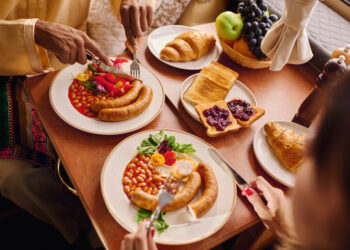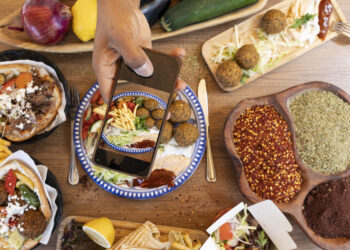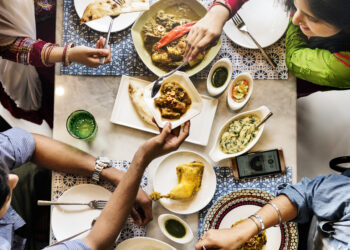

Trinidad Carnival food 2026 is more than just something you eat, it is colour, rhythm, memory, and celebration all rolled into one plate. The title alone brings to mind steelpan music echoing through the streets, sequinned costumes shimmering in sunlight, and the irresistible scent of sizzling street grills that make even the most disciplined diet quietly wave a white flag. Carnival in Trinidad is not merely an event; it is a full-bodied sensory experience where flavours dance just as vibrantly as masqueraders.

When people think of Trinidad Carnival, they often picture feathers, music, and parades. But ask any seasoned Carnival attendee, and they will tell you, the food is just as legendary as the costumes. In 2026, Carnival cuisine continues to evolve, blending tradition with modern twists, and giving both locals and visitors a feast that is bold, comforting, and gloriously indulgent. For Indo-Caribbean communities and global food lovers alike, Carnival is where culinary heritage meets joyful innovation.
Carnival season is also a time when street food, festival recipes, and Carnival traditions come alive in full force. The streets transform into open-air kitchens, and the air is thick with spices, laughter, and the unmistakable sound of frying dough hitting hot oil.
Why Trinidad Carnival Food Is So Special?
Carnival food is deeply rooted in Trinidad’s multicultural heritage, African, Indian, Chinese, Middle Eastern, and European influences all coexist on one joyful plate. This melting pot results in flavours that are layered, spicy, sweet, and utterly addictive.
Unlike everyday meals, Carnival dishes are intentionally festive. They are rich, colourful, and designed to be eaten on the move, because no one wants to sit still when there’s music playing.
Another reason Carnival food stands out is timing. Many dishes are prepared only during Carnival season, making them feel exclusive and nostalgic. Certain aromas instantly signal that festivities are near, doubles frying at dawn, corn soup simmering at midnight, or sweet coconut drops cooling on trays.
Must-Try Trinidad Carnival Street Foods
1. Doubles – The Undisputed King
No Carnival food guide is complete without doubles. This humble yet mighty creation features two soft bara (fried flatbreads) filled with curried channa, tamarind chutney, cucumber, and pepper sauce.
It is messy. It is spicy. It is perfect.
Carnival mornings often begin with doubles, and many swear it is the only acceptable breakfast during the season.
2. Bake and Shark
Served near beaches and busy Carnival hubs, bake and shark is a fluffy fried bread stuffed with seasoned fried shark fillet and topped with endless condiments, garlic sauce, pineapple chutney, coleslaw, and pepper sauces that could wake the ancestors.
3. Corn Soup
Late-night Carnival fuel comes in the form of thick, hearty corn soup. Packed with split peas, dumplings, corn, pumpkin, and herbs, it is both comforting and energising after hours of dancing.
4. Pholourie
Golden fried dough balls served with tamarind chutney. Crispy outside, fluffy inside, and impossible to eat just one (or five).
5. Aloo Pie
A fried pastry stuffed with seasoned mashed potatoes, often topped with channa and chutneys. Think of it as doubles’ equally lovable cousin.
Indo-Caribbean Festival Recipes That Shine During Carnival
Carnival is also a showcase for Indo-Caribbean festival recipes that families have passed down for generations.
1. Roti and Curry
Whether it is curry chicken, goat, or channa and aloo, roti remains a beloved staple. During Carnival, vendors prepare massive quantities to serve hungry revellers needing a hearty meal between events.
2. Saheena
Spinach or dasheen bush leaves coated in spiced batter and fried to crispy perfection. This snack reflects strong Indian culinary roots and is increasingly trending again among younger foodies.
3. Prasad
A sweet semolina dessert flavoured with ghee, spices, and raisins. Often shared during religious events, it still finds a place during Carnival gatherings, especially in family-oriented celebrations.
Drinks That Keep the Energy Flowing
Carnival food is incomplete without refreshing beverages.
-
Mauby – A bittersweet herbal drink loved by locals.
-
Sorrel – Floral, slightly tart, and often spiced with clove and cinnamon.
-
Coconut Water – Nature’s electrolyte and the ultimate heat-buster.
-
Rum Punch – Because Carnival without rum would be like a parade without music.
Carnival Traditions Reflected Through Food
Food during Carnival is not just sustenance; it represents Carnival traditions and community bonding. Families cook together, vendors prepare recipes they learned from grandparents, and friends gather around food stalls sharing laughter between bites.
Certain dishes are symbolic. Doubles at sunrise signal the start of festivities. Corn soup at midnight marks endurance. Sweet treats represent celebration and indulgence before the Lenten season begins.
2026 Trending Carnival Food Twists
Carnival 2026 is seeing exciting culinary experimentation while still respecting tradition.
-
Vegan Doubles with jackfruit fillings.
-
Gluten-Free Bara options.
-
Fusion Bake and Shark using plant-based fish alternatives.
-
Gourmet Pholourie stuffed with cheese or herbs.
-
Artisan Pepper Sauces with mango, pineapple, and smoked chilli blends.
Social media continues to influence food presentation, with vendors creating visually striking dishes designed to be photographed before devoured, though the devouring still happens quickly.
Tips for Enjoying Trinidad Carnival Food Like a Local
1.Eat Early and Late – The best food often appears at sunrise and midnight.
Carnival food operates on its own clock, and it certainly is not the typical breakfast–lunch–dinner routine. Some of the most iconic dishes appear just as the sun rises, when doubles vendors begin frying fresh bara and the streets slowly awaken with music and anticipation. Midnight, on the other hand, is when corn soup pots bubble to life and grills glow under streetlights. These hours are when flavours are freshest and queues are filled with locals who know exactly where to go. If you truly want the authentic experience, set your alarm early and keep your appetite ready late, Carnival rewards those who snack strategically.
2. Carry Tissues – Doubles and sauces have no mercy.
Doubles are delicious, but they are also gloriously messy. Tamarind chutney drips, pepper sauce surprises, and chickpeas have a habit of escaping just when you think you have everything under control. A small pack of tissues or napkins can save your outfit, your hands, and possibly your dignity. Consider it part of your Carnival toolkit, right alongside sunscreen and comfortable shoes. Clean hands are optional; stained fingers are practically a badge of honour.
3. Try Small Portions – You will want to taste everything.
The biggest mistake newcomers make is committing too early to one large meal. Carnival cuisine is designed for sampling. With so many street food options, from pholourie and aloo pies to bake and shark and sweet coconut treats, smaller portions allow you to explore more flavours without feeling uncomfortably full halfway through the day.
4. Ask Vendors for Recommendations – They take pride in their recipes.
Street vendors are passionate about what they cook, and many are more than happy to suggest their signature dish or a customer favourite. Asking for recommendations often leads to discovering hidden gems you might otherwise overlook. You might be introduced to a special chutney blend, a unique pepper sauce, or a family recipe that has been perfected over decades. These brief conversations also add warmth to the experience, turning a simple purchase into a cultural exchange.
5. Hydrate Frequently – Carnival heat plus spicy food equals thirst.
Between the tropical sun, energetic dancing, and generously spiced dishes, hydration becomes essential. Coconut water, sorrel, mauby, or even plain bottled water can help balance the heat and keep you energised throughout the festivities. Staying hydrated ensures you can continue enjoying both the music and the food without slowing down. After all, the goal is to savour every bite, not to spend the afternoon searching for shade and regretting that extra spoonful of pepper sauce.
The Role of Street Vendors!
Street vendors are the heartbeat of Carnival cuisine, the unofficial custodians of flavour who keep the festival’s culinary spirit alive year after year. Many of these stalls are not new enterprises chasing seasonal trends, but family-run businesses that have operated for decades, sometimes even passed down through three or four generations. Grandparents teach parents, parents teach children, and recipes are guarded with the same seriousness as treasured family heirlooms. A particular doubles stand or corn soup cart often becomes legendary, known by name and location as if it were a landmark in its own right.
These vendors do far more than simply sell food; they preserve techniques, spice blends, and cooking rhythms that define Trinidad’s identity. The way the bara is kneaded, the balance of tamarind in chutney, or the slow simmer of a curry pot reflects years of refinement and pride. During Carnival, their stalls become gathering points where locals and visitors alike queue patiently, trading stories while waiting for a familiar taste that feels both comforting and celebratory. In many cases, the vendor remembers repeat customers from previous years, adding a personal touch that large restaurants simply cannot replicate.
Supporting street vendors is therefore not only delicious but culturally meaningful. Every purchase contributes to sustaining small businesses, protecting culinary traditions, and ensuring that authentic flavours continue to thrive rather than fade into commercial uniformity. It also keeps the festival grounded in community rather than purely spectacle. When you buy from a Carnival food stall, you are not just buying a snack, you are investing in heritage, endorsing craftsmanship, and helping preserve the vibrant, living culture that makes Trinidad Carnival so uniquely unforgettable.
Why Carnival Food Resonates with the Indo-Caribbean Diaspora?
For Indo-Caribbean communities abroad, Trinidad Carnival food carries deep emotional significance that goes far beyond taste. It represents heritage, migration stories, and remarkable culinary resilience, the ability of traditions to travel oceans and still feel authentic decades later. Recipes that were once cooked in village kitchens or roadside stalls in Trinidad now simmer in flats in London, suburban homes in Toronto, and bustling neighbourhoods in New York. The ingredients may sometimes be substituted, the weather certainly different, but the intention remains unchanged: to keep culture alive through flavour.
Preparing doubles, roti, pholourie, or a simple pot of curry during Carnival season becomes an act of remembrance. Parents pass techniques to children who may never have lived in the Caribbean, yet grow up knowing exactly how a proper bara should feel or how much pepper is “just right.” Kitchens turn into storytelling spaces where memories of grandparents, festivals, and childhood celebrations resurface with every spice added to the pot. Even the aromas carry emotional weight, the scent of geera or frying dough can instantly transport someone thousands of miles back to familiar streets and family gatherings.
Community events amplify this connection further. Carnival pop-ups, cultural fairs, and diaspora celebrations often revolve around food stalls where strangers bond over shared tastes and nostalgic conversations. A plate of doubles becomes more than a snack; it becomes a conversation starter, a cultural anchor, and sometimes even a gentle introduction to heritage for younger generations who are rediscovering their roots.
In these moments, food transforms into something profoundly personal. It is not merely nourishment, it is history served warm, belonging wrapped in flatbread, and identity seasoned with spice. Food becomes memory. Memory becomes identity.