

Indo-Caribbean culture online is no longer a quiet corner of the internet where only a handful of diaspora voices share memories, recipes, and festival photos. It has blossomed into a vibrant digital movement, drawing global attention through storytelling, music, fashion, humour, and of course, an endless parade of delicious dishes that make screens feel almost edible. What once lived mainly in family kitchens, community halls, and oral traditions is now thriving on websites, social media feeds, and streaming platforms, proudly claiming its space in the digital world.

For years, Indo-Caribbean identity existed in a curious middle ground. Too Caribbean for some, too Indian for others, it often slipped between mainstream narratives. But the digital age has changed that dramatically. With the rise of food bloggers, TikTok recipes, Instagram trends, and cultural creators sharing their stories, Indo-Caribbean heritage is not only being preserved, it is being celebrated on a global scale.
A Culture That Always Had a Story, Now It Has a Platform
Indo-Caribbean culture has deep historical roots stretching back to the 19th-century indentured labour migrations from India to the Caribbean. For generations, traditions were maintained through family gatherings, religious celebrations, music, and food. The challenge was visibility. Outside local communities, few truly understood the richness of this blended identity.
The internet changed everything. Suddenly, individuals did not need large media companies or television networks to tell their stories. A smartphone, a decent internet connection, and a willingness to share became powerful tools. Cultural narratives that were once whispered in living rooms began appearing on blogs, YouTube channels, and social media platforms.
Digital culture gave Indo-Caribbean communities something invaluable: control over their own narrative. Instead of being described by outsiders, they began describing themselves, in their own voices, with their own humour, and with their own seasoning.
Food: The Gateway Everyone Understands
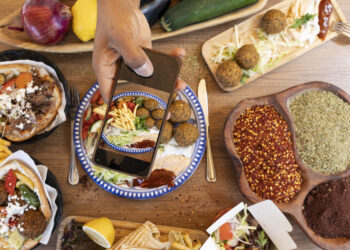
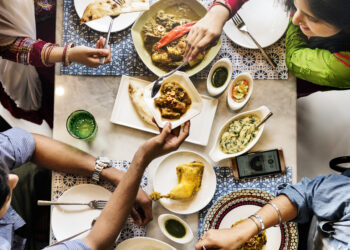
If there is one universal language online, it is food. Indo-Caribbean cuisine, with its roti skins, curries, doubles, pholourie, pepper sauce, and mithai, is visually stunning and deeply comforting. It is no surprise that food blogs became one of the earliest and strongest drivers of Indo-Caribbean digital visibility.
Food bloggers and home cooks started sharing recipes not just as instructions, but as stories. A simple dhal recipe often came with tales of grandmothers measuring spices by instinct rather than teaspoons. A video on making aloo pie might include childhood memories of street vendors and festival days.
The appeal goes beyond the diaspora. Viewers from around the world are discovering Indo-Caribbean flavours through TikTok recipes that condense culture into 60-second cooking clips. Instagram, meanwhile, has turned food into art, glossy images of curry duck or coconut drops attracting likes from people who may not yet know how to pronounce “bara,” but are certainly intrigued enough to learn.
Food becomes the gateway. Once someone tries the cuisine, curiosity naturally follows. They want to know the history, the music, the festivals, and the people behind the dishes.
Social Media: A Cultural Amplifier
Social media platforms have become digital stages where Indo-Caribbean creators perform their identity with pride. Short-form videos, reels, and memes allow culture to travel at lightning speed. Humorous sketches about strict aunties, wedding dances, or the eternal debate over whose pepper sauce is best resonate widely because they are relatable and authentic.
Instagram trends have also played a role in elevating Indo-Caribbean fashion, jewellery, and event aesthetics. Carnival outfits with Indian embroidery, traditional lehengas styled with Caribbean flair, and modern fusion clothing now circulate widely online. These visuals challenge outdated stereotypes and showcase the dynamism of the culture.
Importantly, the online world allows younger generations to reconnect with their heritage in ways that feel natural rather than forced. Instead of dusty textbooks or formal lectures, they encounter culture through relatable influencers, catchy music, and creative digital storytelling.
Identity in the Age of Digital Belonging
For many people of Indo-Caribbean descent, identity has always been layered. They carry Indian ancestry, Caribbean upbringing, and often British or North American citizenship. Digital spaces allow them to express all these layers without choosing one over the other.
Online communities have become virtual gathering places where shared experiences create belonging. Forums, comment sections, and live streams often feel like extended family conversations. People exchange recipes, debate festival traditions, and laugh over shared childhood memories, all across continents.
This digital belonging also provides validation. Seeing one’s culture represented positively and creatively online fosters pride and confidence. It turns what was once niche into something visibly global.
The Rise of the Digital Storyteller
Beyond food and fashion, digital storytelling has emerged as a powerful cultural force. Bloggers, podcasters, and video creators now explore topics such as migration history, music evolution, religious practices, and intergenerational experiences. These stories educate audiences who may have never encountered Indo-Caribbean history before.
The storytelling is often infused with gentle humour and warmth. A podcast episode discussing cultural identity might also include jokes about family WhatsApp groups or the universal Indo-Caribbean experience of being offered food every ten minutes. This blend of insight and light-heartedness makes the culture approachable and engaging rather than academic or distant.
Technology as a Cultural Bridge
Digital culture does more than showcase heritage, it actively preserves it. Recipes that were once passed down verbally are now documented online. Old photographs are scanned and shared. Folk songs are recorded and uploaded. Even traditional language phrases find new life as hashtags and captions.
Technology acts as a bridge between generations. Grandparents may not always understand algorithms, but they recognise the songs or dishes appearing on screens. Meanwhile, younger audiences translate these traditions into modern formats, ensuring they remain relevant rather than fading away.
The Business Side of Cultural Visibility
With increased online attention comes economic opportunity. Cultural blogs and social media channels often grow into small businesses, offering cookbooks, merchandise, workshops, and event collaborations. Restaurants benefit from viral exposure, and tourism boards increasingly recognise the appeal of Indo-Caribbean heritage.
However, the commercial aspect does not overshadow authenticity. Many creators balance monetisation with genuine storytelling, ensuring that cultural pride remains at the centre rather than profit alone. The internet rewards sincerity, and Indo-Caribbean creators have mastered the art of blending passion with professionalism.
A Global Audience Ready to Listen
One reason the world is finally paying attention is timing. Audiences today actively seek diverse voices and stories. Global conversations about representation and inclusion have opened doors for cultures that were previously overlooked. Indo-Caribbean heritage, with its unique fusion of Indian and Caribbean influences, naturally attracts curiosity.
Streaming platforms, digital magazines, and online communities now amplify voices that once struggled to find mainstream platforms. The accessibility of online content means someone in London, Toronto, Port of Spain, or Delhi can explore Indo-Caribbean culture with equal ease, often while sipping tea or scrolling before bedtime.
Challenges in the Digital Spotlight
Visibility also brings challenges. Cultural oversimplification, stereotyping, or appropriation can occur when traditions are presented without context. Responsible creators address this by providing historical background, crediting sources, and encouraging respectful engagement.
Another challenge is balancing tradition with modernity. Digital audiences appreciate innovation, yet cultural roots must remain intact. Successful creators manage this balance by presenting culture as evolving rather than static: alive, adaptable, and proudly contemporary.
Why This Moment Matters?
The rise of Indo-Caribbean culture online is not merely a trend; it represents a cultural renaissance. Digital platforms have allowed a once underrepresented identity to flourish, connect, and inspire. From food bloggers, TikTok recipes, Instagram trends to long-form cultural essays, the online world has become a living archive and celebration of heritage.
This moment matters because it shifts perception. Indo-Caribbean culture is no longer seen as a footnote or a blend that needs explanation. It stands confidently as its own vibrant identity, rich with history, creativity, and humour.
The Future: From Screens to Shared Spaces
Looking ahead, digital culture will continue shaping how Indo-Caribbean heritage evolves. Virtual festivals, online cooking classes, and collaborative cultural projects are likely to expand. The internet may be the starting point, but its influence reaches far beyond screens into real-world connections, events, and collaborations.
As more voices join the conversation, the narrative becomes richer and more inclusive. The beauty of digital storytelling is that there is always room for another perspective, another recipe, another memory. Culture is not a limited resource; it grows stronger the more it is shared.
In the end, the world’s growing attention is not accidental. It is the result of years of quiet cultural preservation meeting the loudspeaker of the internet. Indo-Caribbean culture online has found its rhythm, its audience, and its confidence. And much like a perfectly spiced curry, once people discover it, they tend to come back for seconds, especially if they follow CurryBien for the next serving.