
Caribbean food festivals 2026 are already stirring excitement across kitchens, calendars, and group chats alike, promising a year where flavours travel faster than flights and every bite tells a story of sunshine, spice, and celebration.

There is something uniquely powerful about a food festival. It is not just about eating, though eating certainly takes centre stage, it is about identity, music, nostalgia, and the subtle realisation that one plate can hold an entire culture. Caribbean food festivals in 2026 are shaping up to be bigger, brighter, and even more flavour-packed, blending traditional Carnival foods, contemporary fusion stalls, and diaspora creativity into events that attract locals, tourists, and curious food lovers alike.
From the bustling streets of Trinidad to sprawling parks in London, Caribbean food festivals are no longer niche gatherings. They are headline cultural events. They showcase history through cuisine, rhythm through music, and community through shared tables. If 2025 whetted appetites, 2026 appears ready to serve second helpings, and then politely insist on dessert.
Why Caribbean Food Festivals Are Trending in 2026?
The rise in popularity of Caribbean food festivals is not accidental. Several factors are shaping this upward trend:
-
Global interest in cultural cuisine has grown significantly, with Caribbean flavours gaining mainstream attention.
-
Diaspora pride continues to flourish, particularly among younger generations keen to reconnect with heritage.
-
Social media visibility turns colourful dishes and street-food scenes into instantly shareable moments.
-
Travel revival encourages people to explore festivals as immersive cultural experiences rather than simple outings.
In essence, Caribbean food festivals have evolved into experiential tourism. They are where culinary curiosity meets cultural appreciation, and occasionally meets a second helping of jerk chicken because restraint is a polite suggestion rather than a strict rule.
The Heart of the Celebration: Carnival Foods
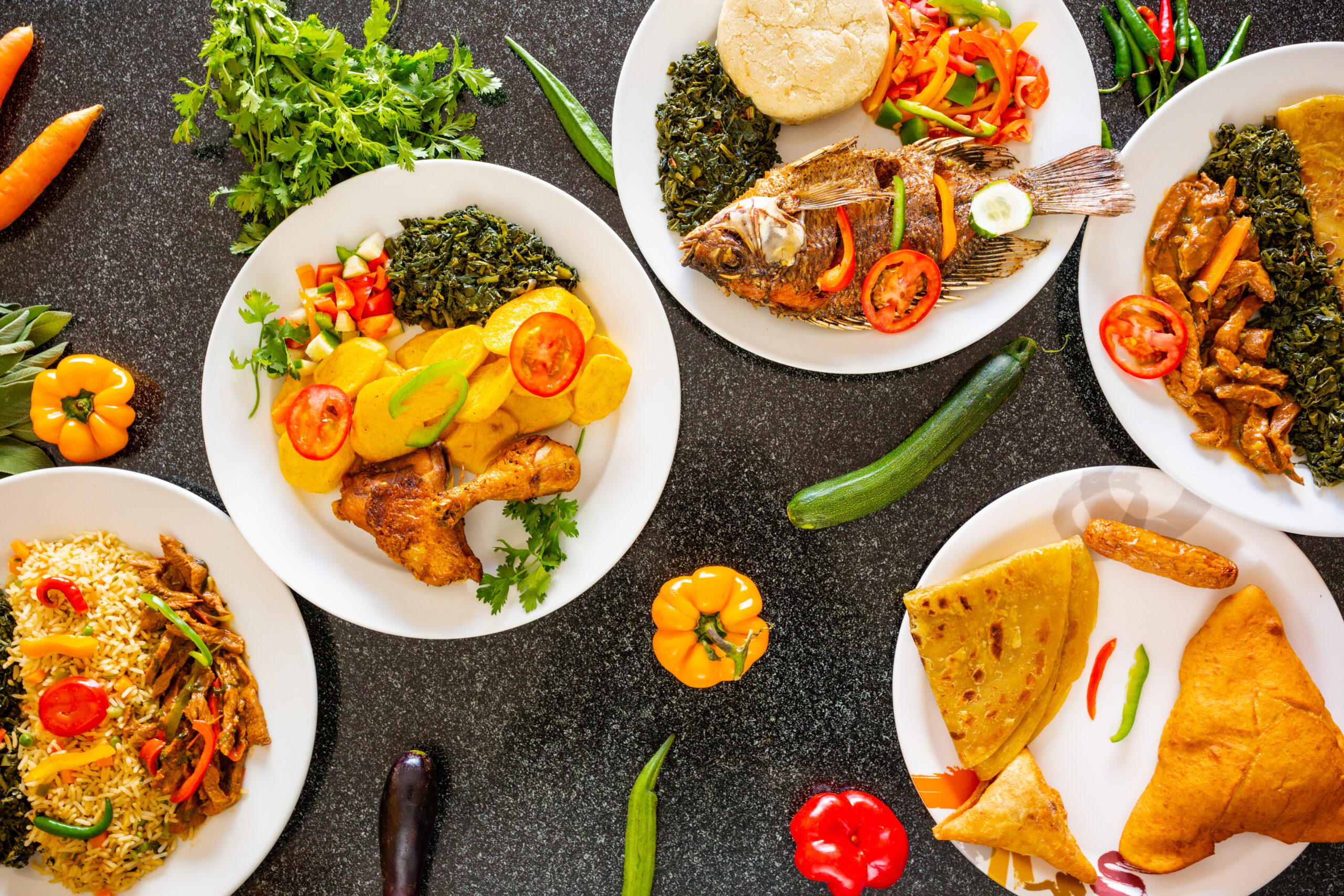
No guide to Caribbean food festivals would be complete without mentioning Carnival foods, the edible backbone of many celebrations. These dishes are energetic, bold, and unapologetically flavourful — much like the music and costumes that accompany them.
Expect to encounter classics such as:
-
Jerk Chicken and Jerk Pork – smoky, spicy, and irresistible.
-
Doubles – soft bara filled with curried chickpeas and chutneys.
-
Roti and Curry – endlessly comforting and customisable.
-
Fried Plantain – sweet, golden, and universally loved.
-
Pelau – a one-pot rice dish layered with meat, coconut, and seasoning.
-
Saltfish Fritters – crisp bites that disappear faster than they are counted.
-
Coconut Drops and Sugar Cakes – desserts that satisfy even the most determined sweet tooth.
These foods do more than fill stomachs; they narrate migration, adaptation, and community resilience. A single festival menu often reflects influences from African, Indian, European, and indigenous Caribbean traditions, an edible map of history served on biodegradable plates.
Trinidad Festivals: The Cultural Epicentre
When discussing Caribbean food festivals, Trinidad festivals inevitably lead the conversation, and for good reason. Trinidad’s Carnival season, traditionally beginning early in the year, is not merely an event but a cultural phenomenon where music, masquerade, and culinary indulgence exist in perfect synchrony. Streets transform into moving galleries of colour and costume, while food stalls line pavements with aromas so persuasive they compete cheerfully with the rhythms of soca, calypso, and steelpan. Vendors serve doubles fresh off the griddle, corn soup bubbling in large pots, and roasted meats seasoned with confidence rather than hesitation. The atmosphere is energetic yet welcoming, making even first-time visitors feel like returning guests who simply arrived a little late.
Beyond Carnival itself, Trinidad hosts year-round events that celebrate culinary heritage in equally compelling ways. Street-food fairs, cocoa festivals, rum showcases, and regional market days create opportunities for locals and travellers to experience the island’s flavours beyond the high-profile parade season. Markets and community fairs often feature live cooking demonstrations where seasoned chefs and home cooks share techniques passed down through generations. Artisan vendors display handcrafted goods, spice blends, and locally produced sauces, turning each event into a small ecosystem of culture and commerce. The combination of food, music, and craftsmanship ensures that festivals remain lively educational spaces rather than passive tasting experiences.
What makes Trinidad’s festival scene particularly memorable is the sense of pride woven into every dish and performance. Conversations with vendors often reveal stories of family recipes, regional influences, and friendly rivalries over who makes the best roti or the boldest pepper sauce. Visitors frequently leave not only with full stomachs but with handwritten recipes, new favourite ingredients, and a deeper appreciation for how seriously Trinidadians approach flavour. It is an environment where culinary enthusiasm is contagious, and where seasoning is treated less as an option and more as a cultural responsibility.
UK Caribbean Events: A Diaspora Feast
The Caribbean food festival scene in the UK has grown remarkably, reflecting both cultural diversity and enthusiastic public engagement. UK Caribbean events bring island flavours to urban parks, waterfront promenades, and city squares, often drawing tens of thousands of attendees.
London remains a central hub, hosting large-scale summer festivals where steelpan performances and Caribbean dance workshops accompany extensive food markets. Birmingham, Manchester, and Leeds also contribute to the festival calendar with regional celebrations highlighting local Caribbean communities.
These events are particularly meaningful for second- and third-generation diaspora families, offering spaces where heritage feels accessible and celebratory rather than distant. For newcomers, they provide a welcoming introduction to Caribbean culture, one plate of curried goat or vegan callaloo at a time.
Festival Calendar Highlights for 2026
While exact dates vary annually, certain periods consistently anchor the Caribbean food festival calendar:
Early Year – Carnival Season
January to March traditionally sees Carnival-related celebrations across the Caribbean and diaspora communities. Food stalls flourish alongside parades, creating vibrant street-food atmospheres.
Spring Festivals
April and May often bring agricultural fairs and community food showcases, featuring seasonal produce and traditional dishes prepared with fresh local ingredients.
Summer Extravaganzas
June through August marks the peak of outdoor festivals in both the Caribbean and the UK. Longer daylight hours and warmer weather encourage expansive events with live performances, cultural exhibitions, and extended food markets.
Autumn Gatherings
September and October shift focus slightly toward harvest themes, rum festivals, and culinary heritage celebrations. These events often feel more intimate but equally flavourful.
Beyond the Plate: Cultural Experiences
Caribbean food festivals are rarely confined to eating alone; they are fully immersive, multisensory experiences where music, art, heritage, and storytelling converge in a way that feels both celebratory and deeply communal. The aroma of grilled spices might draw visitors in, but it is the layered atmosphere that keeps them lingering long after plates are cleared. These festivals operate almost like open-air cultural theatres, where every corner offers a different expression of Caribbean identity, from rhythm and craft to language and laughter. Food is the anchor, but the surrounding energy is what transforms a simple outing into a memorable cultural journey.
Visitors can expect a dynamic blend of performances and interactive spaces, each contributing to the festival’s vibrant rhythm. Live steelpan bands create melodies that echo across the grounds, often accompanied by DJs blending reggae, soca, dancehall, and contemporary beats. Cooking demonstrations reveal treasured seasoning techniques and culinary histories, offering both practical tips and cultural context. Artisan stalls display handcrafted jewellery, woven textiles, paintings, and decorative pieces that reflect island aesthetics and diaspora creativity. Dance workshops invite attendees to participate rather than observe, encouraging everyone, regardless of skill level, to move with enthusiasm. Family-friendly zones ensure that younger visitors remain equally engaged through games, storytelling sessions, and craft activities rooted in Caribbean folklore.
The overall atmosphere fosters interaction and curiosity, encouraging strangers to strike up conversations over shared dishes or music preferences. It is not unusual to witness spontaneous dancing while balancing a plate of food, a skill that festival regulars develop with surprising confidence and pride. The environment feels less like a structured event and more like a lively community gathering where enjoyment is collective rather than individual. In this way, Caribbean food festivals become more than culinary showcases; they evolve into cultural exchanges where rhythm, flavour, and human connection blend as seamlessly as the music drifting through the air.
Tips for Enjoying Caribbean Food Festivals in 2026
To make the most of these vibrant events:
-
Arrive Hungry but Pace Yourself – sampling is a marathon, not a sprint.
-
Carry Cash and Card – vendors vary in payment preferences.
-
Dress Comfortably – breathable fabrics and comfortable shoes are festival essentials.
-
Hydrate Regularly – especially when sampling spicy dishes.
-
Engage with Vendors – many are eager to share cultural stories alongside recipes.
-
Check the Festival Calendar Early – popular events often sell tickets in advance.
The Growing Influence of Fusion and Innovation
One notable trend for 2026 is the rise of Caribbean fusion cuisine at festivals. Expect to see jerk tacos, plantain burgers, vegan doubles, and rum-infused desserts alongside traditional staples. These innovations do not replace heritage dishes; they expand the culinary conversation, inviting experimentation while respecting roots.
This balance between preservation and creativity mirrors broader cultural evolution. Food becomes a dialogue between generations, grandparents recognising familiar spices while younger attendees celebrate inventive presentations.
Why Caribbean Food Festivals Matter?
Beyond entertainment, Caribbean food festivals play a crucial role in cultural preservation and community building. They provide platforms for small businesses, promote tourism, and foster cross-cultural understanding. Each stall represents entrepreneurial effort, each dish a fragment of history, and each shared table a small act of unity.
In 2026, these festivals are expected to continue growing in both scale and significance. They are reminders that culture thrives when it is celebrated openly and shared generously, preferably with generous portions.
A Year to Savour!
Caribbean food festivals in 2026 promise more than culinary enjoyment; they offer journeys through rhythm, colour, and community spirit. Whether exploring Trinidad festivals, attending UK Caribbean events, or simply following the festival calendar to the next aroma-filled gathering, visitors will discover that Caribbean cuisine is as much about storytelling as it is about seasoning.
And while festival schedules may change and menus may evolve, one delightful certainty remains: no attendee ever leaves without discovering at least one new favourite dish, and perhaps wondering how something so delicious can also be so unapologetically vibrant.