
Indo-Caribbean culture lived comfortably in the margins for decades. It was loud in kitchens, patient in prayer rooms, expressive in music, and generous at gatherings, but rarely visible outside the community itself. Stories travelled orally, recipes passed hand to hand, and identity was preserved through routine rather than recognition.

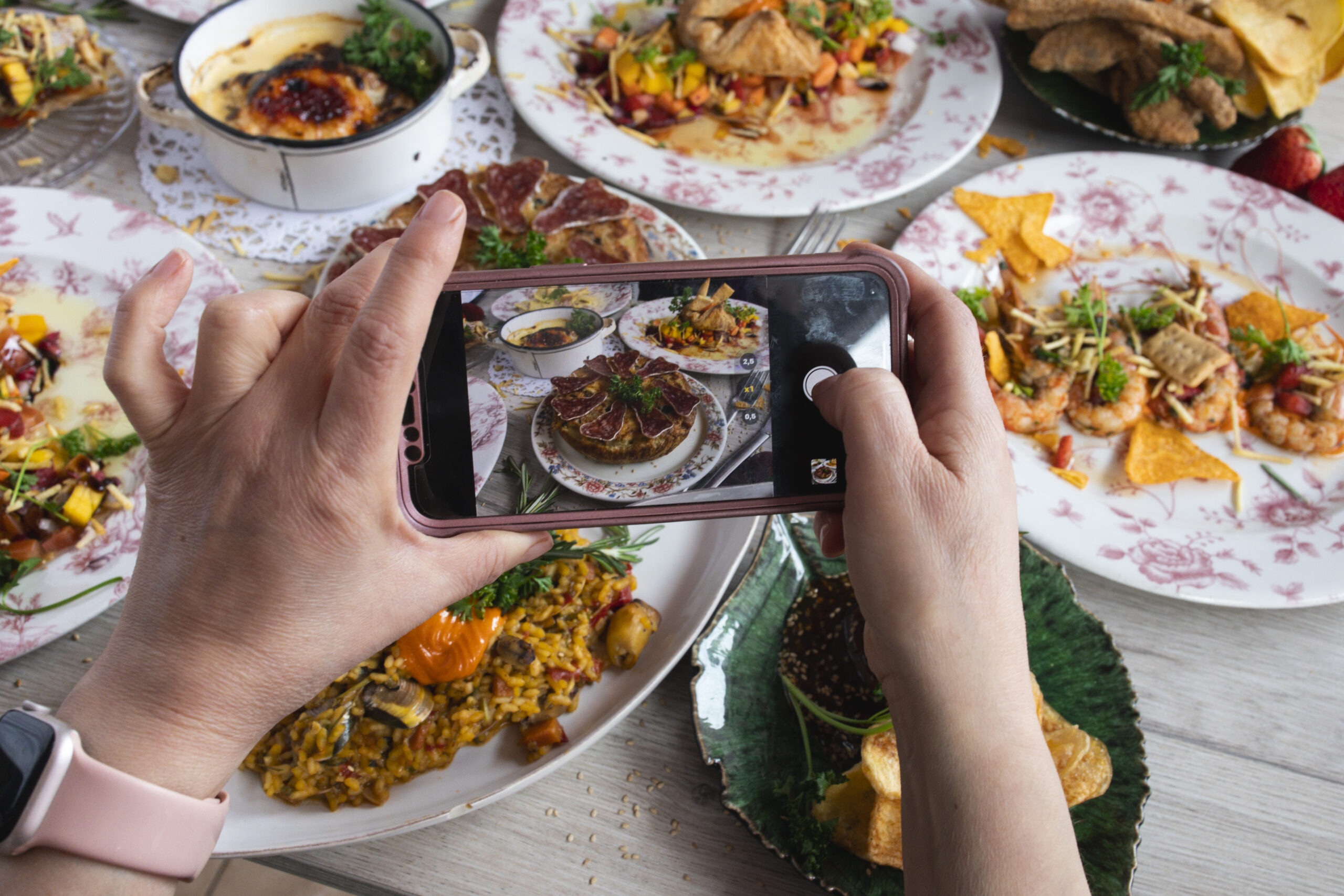
Then, almost without warning, phones came out. Cameras rolled. Algorithms listened.
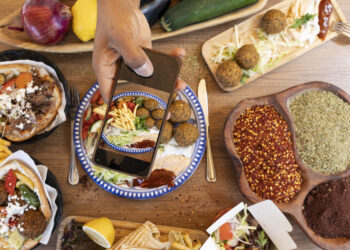
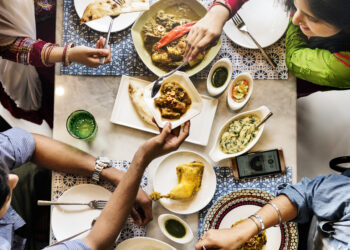
Suddenly, a pot of curry bubbling on a London hob, a dal puri being folded with practiced ease, or a grandmother explaining “how it supposed to taste” became shareable moments. What once felt ordinary turned out to be endlessly fascinating to a global audience hungry for authenticity.
The Rise of the Reel Generation
Short-form video platforms like TikTok and Instagram Reels didn’t invent Indo-Caribbean culture, they simply gave it a front-facing seat. The format favoured rhythm, routine, humour, and repetition, all things Indo-Caribbean households already knew well.
A few things made this content especially magnetic:
-
Process over polish: Viewers were drawn to unfiltered cooking, real kitchens, and hands that knew what they were doing without measuring cups.
-
Sound and language: Accents, code-switching, and casual commentary added texture rather than needing explanation.
-
Familiar chaos: Kids running through frames, elders commenting from the background, and food being cooked “by eye” felt refreshingly human.
In a sea of curated perfection, Indo-Caribbean content felt lived-in. And that, ironically, made it viral.
Food Reels as Cultural Archives
Food has always been the most reliable carrier of Indo-Caribbean identity. What changed was scale.
A simple reel of curry goat or aloo chokha wasn’t just a recipe, it became an archive. Ingredients triggered memory. Techniques prompted debate. Comments turned into intergenerational conversations.
For many creators, especially those born or raised in the UK, Canada, or the US, these reels served another purpose: reconnection.
They weren’t just cooking. They were remembering.
-
Remembering how food tasted at Sunday lunch.
-
Remembering how elders explained flavour without measurements.
-
Remembering the balance between Indian roots and Caribbean adaptation.
Food reels became a way to reclaim identity on their own terms, proudly, publicly, and without footnotes.
Diaspora Pride, Without the Apology Tour
One of the most powerful shifts has been tone. Indo-Caribbean creators didn’t arrive online asking to be understood. They arrived being themselves.
There was no pause to explain indentureship before cooking. No need to justify spice levels. No softening of accent or humour for mass appeal and audiences responded.
Diaspora pride, when expressed confidently, doesn’t alienate, it invites curiosity. Viewers leaned in because the content didn’t try to translate itself. It trusted the culture to speak clearly on its own.
In doing so, Indo-Caribbean creators flipped the script. Representation didn’t come from mainstream approval; it came from consistency and confidence.
Sound, Music, and Memory
Music has always been central to Indo-Caribbean life, and social platforms amplified its reach. Chutney, tassa rhythms, bhajans, and soca-inflected beats found new audiences when paired with everyday visuals.
A clip of cooking set to a familiar rhythm did more than entertain, it anchored identity.
For diaspora viewers, especially younger ones, these sounds connected them to a heritage they may not have experienced firsthand. For others, it was an introduction that felt organic rather than educational.
Soundtracks became signifiers. One beat, and you knew where the video was going.
Elders, Accidental Influencers, and the Power of Presence
Some of the most beloved figures in Indo-Caribbean online spaces never planned to be content creators. Grandmothers stirring pots, uncles offering unsolicited commentary, parents questioning why everything needs filming, all became fan favourites.
Their appeal lay in their authenticity. They weren’t performing culture; they were living it.
In many ways, these elders anchored the content. They reminded viewers that behind every reel was a lineage, and behind every joke was history.
Their presence also quietly challenged ageism online. Wisdom, it turns out, performs very well on camera.
Why This Moment Matters in the UK?
In the UK, where Indo-Caribbean identity often exists within broader Caribbean or South Asian categories, this visibility has been especially meaningful.
Social platforms allowed creators to say: we are here, and this is ours.
UK-based Indo-Caribbean creators shared:
-
Hybrid food traditions shaped by British ingredients.
-
Diaspora humour specific to UK life.
-
The balance between cultural preservation and modern adaptation.
This content didn’t just travel globally, it rooted locally. It affirmed identity for those who rarely saw it reflected elsewhere.
Beyond the Algorithm: What Lasts?
Trends fade. Platforms change. But something deeper has already happened.
Indo-Caribbean culture has been documented in real time by the people who live it. Not as museum pieces, but as everyday life, evolving, imperfect, and proudly expressive.
This moment wasn’t about going viral for the sake of numbers. It was about visibility on one’s own terms.
And that kind of cultural imprint doesn’t disappear when the feed refreshes.
The Future Looks Familiar
As platforms evolve, Indo-Caribbean creators will too. Formats may shift, but the core remains:
-
Food that tells stories
-
Humour that reflects lived experience
-
Pride rooted in memory, not performance
The most exciting part? The next wave is already watching, filming, and learning, often from the very elders now unintentionally famous.
Culture, once shared, multiplies.
A Culture That Didn’t Ask to Go Viral, It Just Was
Indo-Caribbean culture didn’t change to fit social media. Social media finally caught up.
What went viral wasn’t novelty, it was normalcy, presented without apology. In kitchens, living rooms, and comment sections, a global audience found something genuine.
And that genuineness, paired with pride, humour, and flavour, proved irresistible.
For more stories where food meets memory and culture meets confidence, follow CurryBien, where Indo-Caribbean culture continues to be shared, one reel at a time.