
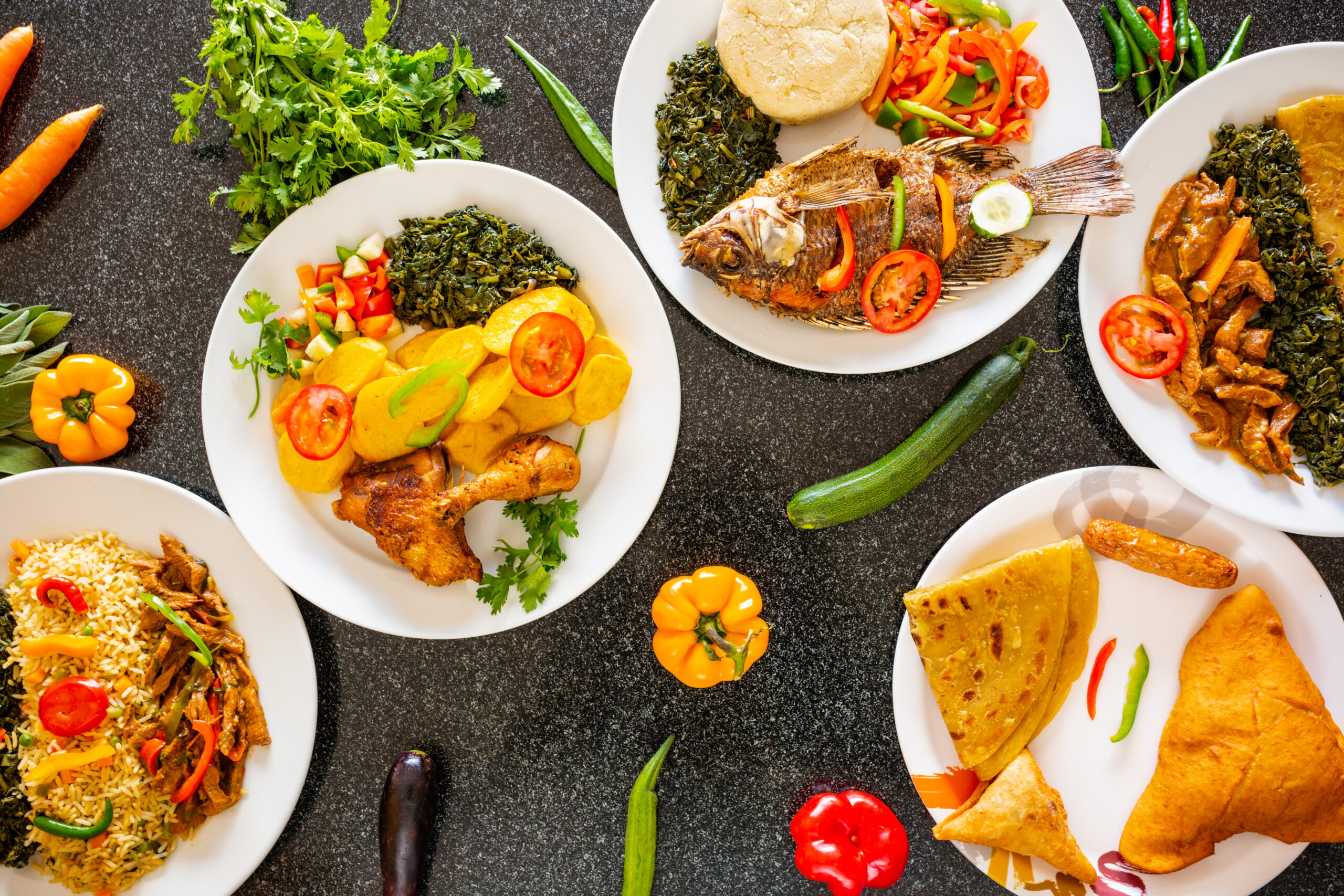
Post-Holiday Eating is not about guilt, strict rules, or dramatic declarations scribbled into fresh planners, but about that quiet moment in January when Indo-Caribbean kitchens naturally exhale, return to rhythm, and rediscover balance after weeks of festive abundance, laughter, late nights, and very full plates.
January always arrives with a different energy. The music fades, the last container of sweets is finally finished, and the kitchen, once buzzing with visitors, celebrations, and constant cooking, settles into something calmer. For Indo-Caribbean households, this reset isn’t loud or trend-led. There’s no detox tea obsession or sudden fear of carbs. Instead, post-holiday eating is gentle, practical, and rooted in instinct passed down through generations.
This is where Indo-Caribbean food culture shines. It understands indulgence, but it also understands restraint. It knows how to celebrate, and just as importantly, how to return to everyday nourishment without fuss.
The Natural January Reset in Indo-Caribbean Homes
In many Indo-Caribbean households, January doesn’t come with an announcement. There’s no formal “clean eating” conversation. It simply shows up on the plate.
Meals get simpler. Portions feel lighter. Cooking returns to basics. The kitchen moves away from elaborate spreads and back towards food that feels grounding, familiar, and comforting without being heavy.
This reset is instinctive. It’s shaped by generations who cooked according to seasons, availability, and common sense. After weeks of rich foods, sweets, fried snacks, and festive cooking, the body quietly asks for balance, and the kitchen listens.
Post-holiday eating here isn’t about restriction. It’s about recalibration.
From Celebration to Comfort: What Changes on the Plate
December cooking is joyful but intense. Big pots. Multiple dishes. Fried items, sweets, special meats, and foods that are made because it’s a celebration and someone is coming over.
January food, on the other hand, is deeply personal.
You’ll notice:
-
Fewer fried foods
-
More vegetables and dals
-
Simpler proteins
-
Meals that feel lighter but still satisfying
This is the time when everyday dishes return to centre stage. The foods that quietly sustained families long before festive excess became normal.
Why Dal, Rice, and Vegetables Take the Lead Again
One of the first signs of post-holiday eating in Indo-Caribbean kitchens is the reappearance of dal in all its comforting glory. Dal and rice don’t feel exciting in December, but in January, they feel like home.
Light, nourishing, and endlessly adaptable, dal offers warmth without heaviness. It pairs effortlessly with vegetables, a bit of chutney, or a small portion of fish or chicken. It doesn’t demand attention, it simply does its job.
Vegetable dishes also make a quiet comeback. Pumpkin, cabbage, spinach, bodi, callaloo, and bhaji return to weekly rotation, often cooked simply with garlic, onion, and gentle seasoning.
These meals aren’t designed to impress. They’re designed to sustain.
Less Frying, More Simmering
Another unmistakable January shift is how food is cooked.
December is the season of frying. January prefers simmering.
Soups, stews, and one-pot dishes suddenly feel more appealing. They’re easier on the stomach, kinder to the schedule, and perfect for the colder UK weather many Indo-Caribbean families now live in.
Think:
-
Light chicken or fish soups
-
Vegetable stews
-
Lentil-based dishes
-
Simple curries with less oil
There’s a reason these dishes reappear every January. They warm you up without weighing you down, and they fit naturally into slower, post-holiday routines.
The Quiet Disappearance of Sweets (Mostly)
Indo-Caribbean celebrations are generous when it comes to sweets. From ladoos and barfi to coconut drops, mithai, and festive desserts, sugar has its moment.
January, however, doesn’t crave sweetness in the same way.
Desserts don’t vanish completely, but they stop being centre stage. Fruit becomes more common. Tea is taken without something sweet on the side. Leftover treats are enjoyed slowly, or politely declined.
This isn’t about discipline. It’s simply that after weeks of indulgence, the palate naturally wants a break.
January Is a Month for Smaller Portions
Post-holiday eating also brings a noticeable change in portion sizes. Plates look calmer. Servings are more measured. Seconds aren’t automatic.

This isn’t portion control in the modern, obsessive sense. It’s intuitive eating before the term became fashionable.
You eat until you’re satisfied, not until the pot is empty.
This mindset has long existed in Indo-Caribbean households, where food is respected but not moralised. You enjoy it, you share it, and when your body has had enough, you stop.
Comfort Food Without the Guilt Narrative
One of the most refreshing things about Indo-Caribbean post-holiday eating is the absence of guilt.
There’s no dramatic language about “undoing” December. No panic about indulgence. The understanding is clear: celebrations happen, and then life continues.
Comfort food remains comfort food. Dal, rice, roti, soups, and stews are not considered punishment meals. They are nourishment.
This mindset feels especially grounding in January, a month that often feels heavy with expectations about productivity, fitness, and self-improvement.
In Indo-Caribbean kitchens, the priority is simpler: eat well, feel steady, and carry on.
The Return of Home-Cooked Routine
January also marks the return of routine cooking.
After weeks of flexible schedules, visitors, and spontaneous meals, the kitchen settles back into predictable rhythms. Shopping lists become practical again. Leftovers are planned. Meals are cooked with the next day in mind.
This routine is comforting in itself. It brings a sense of normalcy and control without being restrictive.
Cooking doesn’t need to be exciting every day. It just needs to work.
How the UK Winter Influences January Eating?
For Indo-Caribbean families living in the UK, January eating is also shaped by weather. Cold, dark evenings naturally call for warming meals.
Spicy soups, peppered stews, ginger-infused dishes, and warming spices like cumin, garlic, and black pepper feel especially welcome. These flavours not only warm the body but also connect people back to Caribbean and Indian culinary roots.
Food becomes both nourishment and emotional comfort—a way to push back against grey skies with familiar flavours.
January Is When Simplicity Feels Luxurious
After festive excess, simplicity starts to feel like a luxury.
A bowl of rice and dal. A piece of boiled fish with seasoning. A vegetable curry cooked just right. These meals don’t shout for attention, but they satisfy deeply.
Post-holiday eating reminds us that good food doesn’t need constant variation or extravagance. Sometimes, the best meals are the ones you don’t need to think about.
Passing Down the January Reset Without Saying a Word
What’s fascinating is how this January reset is passed down without explanation. Children grow up watching their parents cook differently after the holidays. They notice fewer snacks, lighter meals, and calmer kitchens.
No one sits them down to explain post-holiday eating. They absorb it.
Years later, they find themselves doing the same thing, cooking simpler meals in January, craving lighter food, and feeling comforted by routine.
Why Post-Holiday Eating Still Matters in 2025?
In a world obsessed with trends, Indo-Caribbean post-holiday eating offers something refreshingly grounded. It’s not reactive. It doesn’t chase extremes. It trusts the body and honours tradition.
In 2025, when food advice is louder than ever, this quiet reset feels especially relevant. It reminds us that balance doesn’t need branding, and nourishment doesn’t require rules.
Sometimes, all it takes is listening to what the kitchen already knows.
January as a Month of Culinary Breathing Space
Ultimately, post-holiday eating is about creating space.
Space for digestion.
Space for routine.
Space for simplicity.
January doesn’t rush. It allows the kitchen to breathe after the intensity of celebration. It lets food return to its everyday role—fuel, comfort, and connection.
And before you know it, life continues. Birthdays arrive. Events pop up. Celebrations return.
But January teaches us how to come back to centre.
The Indo-Caribbean Way: Celebrate Fully, Reset Gently
If there’s one lesson Indo-Caribbean kitchens offer during post-holiday eating, it’s this: celebration and balance are not opposites.
You can enjoy fully.
You can eat generously.
And you can return to simplicity without punishment.
January isn’t about erasing December. It’s about honouring what comes next.
A lighter pot.
A quieter kitchen.
And food that feels like home again.
Because in Indo-Caribbean households, the reset doesn’t come from a rulebook, it comes from experience, instinct, and a deep understanding that food is meant to support life, not complicate it.