
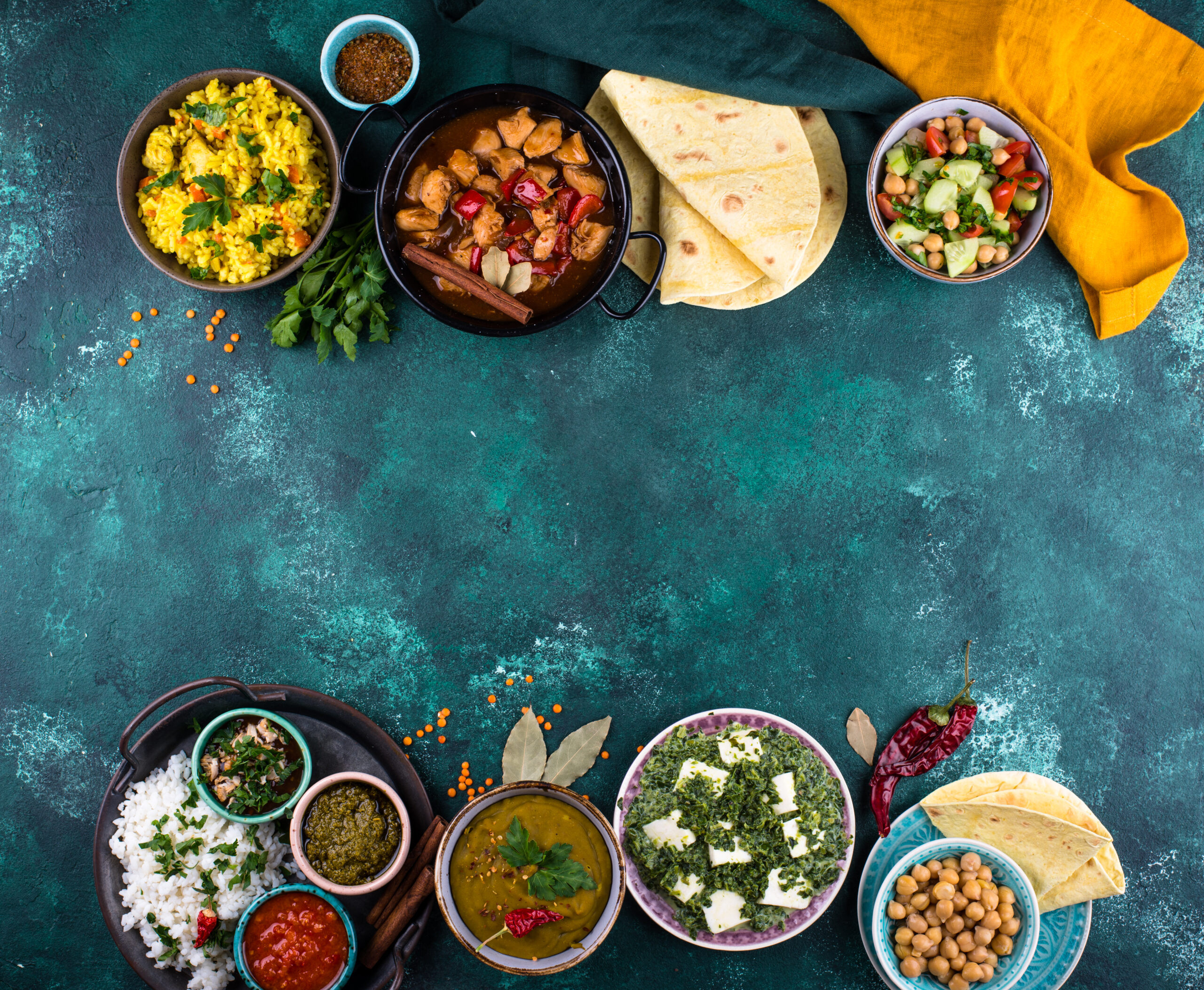
Indian Comfort Foods to Warm Your January aren’t about grand dinner parties or elaborate plating. They’re about bowls held close, steam fogging up glasses, and that quiet sigh you let out after the first spoonful. January, especially in the UK, has a way of making us retreat indoors and inward. The festive glitter has been packed away, resolutions are wobbling already, and the weather insists on reminding us that winter isn’t done yet.

This is where Indian comfort food steps in, not loudly, not dramatically, but reliably. These are dishes that don’t rush you. They simmer. They wait. They reward patience. And for many of us in the diaspora, they do something even more powerful: they reconnect us to home, memory, and a sense of grounding that January so desperately needs.
Why January and Indian Comfort Food Are a Perfect Match?
January in the UK has a particular personality. It’s cold, grey, and just long enough to make you question why salads were ever a good idea. Indian comfort food, on the other hand, understands winter deeply. Many of its most beloved dishes were designed for colder months — rich in spices that warm the body, textures that soothe, and flavours that feel like reassurance.
From slow-cooked dals to gently spiced khichdi, these foods are not about indulgence alone. They’re about balance. Warming spices like ginger, cumin, and turmeric support digestion and circulation, while lentils, rice, and vegetables offer nourishment without heaviness.
In short, Indian comfort foods don’t fight January, they work with it.
Dal: The Ultimate January Bowl of Comfort
If Indian comfort food had a crown, dal would wear it quietly, without fuss.
Why Dal Works So Well in Winter?
Dal is:
- Warm
- Protein-rich
- Easy on digestion
- Endlessly adaptable
In January, when bodies are still recovering from festive excess, dal offers nourishment without punishment. Whether it’s a simple yellow moong dal or a richer dal tadka, it’s the kind of food that feels like it’s doing you a favour.
UK-Friendly Dal Tips
- Use red lentils for quicker cooking on busy weekdays
- Add extra ginger for warmth
- Finish with a small ghee tadka — January is not the month to fear ghee
Serve it with plain rice or soft rotis, and you have a meal that feels complete without trying too hard.
Khichdi: Soft, Healing, and Hug-in-a-Bowl Energy
Khichdi doesn’t ask for attention, but it deserves it.
Often described as India’s answer to chicken soup, khichdi is the ultimate comfort dish for cold, tired January days. Made from rice, lentils, and gentle spices, it’s traditionally eaten when the body needs rest — and honestly, January qualifies.
Why Khichdi Is Perfect for the UK Winter?
- Minimal spices but maximum comfort
- Easy to digest during cold spells
- Customisable with vegetables you can find easily in UK supermarkets
Add carrots, peas, spinach, or even a bit of sweetcorn if that’s what’s in the fridge. Comfort food is not about rules, it’s about how you feel after eating it.
Pair it with yoghurt, pickle, or a spoon of ghee, and suddenly January feels slightly less hostile.
Rajma Chawal: When You Need Something Hearty
Some days, January doesn’t want to be gentle. It wants filling.
Rajma chawal is the answer to those days, the kind where you come home damp, tired, and in no mood to negotiate with hunger. Kidney beans simmered in a spiced tomato gravy, served with steaming rice, create a dish that’s both grounding and deeply satisfying.
Why Rajma Feels Especially Right in January?
- Slow-cooked dishes suit slower winter days
- Beans provide warmth and sustained energy
- Familiar flavours offer emotional comfort
In the UK, rajma is also wonderfully practical. Tinned kidney beans work perfectly, making this dish accessible even on a weeknight. Just give it time — rajma improves when it’s allowed to simmer and think about its life choices.
Aloo-Based Dishes: Because Potatoes Understand Winter
Potatoes and winter have an unspoken agreement, and Indian cooking knows exactly how to make the most of it.
From aloo matar to jeera aloo, potato-based Indian dishes are comforting without being complicated. They’re filling, affordable, and deeply nostalgic, especially for anyone who grew up with “aloo something” appearing at the table at least twice a week.
January-Friendly Aloo Comfort Ideas
- Aloo gobi with extra ginger
- Aloo tamatar with soft rotis
- Simple jeera aloo with dal and rice
These dishes don’t demand perfection. They ask to be eaten hot.
Indian Soups and Brothy Dishes for Cold Evenings
Indian cuisine doesn’t always get credit for its soups, but it should.
Rasam, shorba, and light vegetable broths flavoured with Indian spices are excellent for January evenings when you want warmth without heaviness.
Rasam: Sharp, Spicy, and Surprisingly Comforting
Rasam is especially brilliant in cold weather. Its tangy, peppery flavour wakes you up while warming you through. It’s light enough to sip and strong enough to feel like medicine — the good kind.
In the UK, rasam ingredients are easy to source, and it pairs beautifully with plain rice or even just a mug and a blanket.
Paneer Dishes That Feel Like a Treat
January doesn’t mean joyless eating. It just means smarter indulgence.
Paneer-based comfort foods strike that balance beautifully. Think:
- Paneer bhurji
- Light paneer curries
- Paneer and vegetable stews
These dishes feel indulgent without tipping into heavy restaurant-style richness. They’re ideal for home cooking, especially when paired with chapatis or simple pulao.
Rice: The Unsung Comfort Hero
Rice deserves a special mention. In January, rice-based dishes feel especially soothing — warm, soft, and grounding.
Comforting Indian Rice Dishes for January
- Plain steamed rice with ghee
- Vegetable pulao with mild spices
- Curd rice
Rice adapts to your mood. It can be simple or dressed up, light or hearty. And in Indian comfort food, it often plays the quiet but essential role of holding everything together.
Indian Comfort Snacks for Grey January Afternoons
Comfort food isn’t limited to main meals. January afternoons often call for something warm and snacky — especially around tea time.
Warm Snack Ideas
- Pakoras with ginger chai
- Vegetable cutlets
- Toasted bread with spiced butter or chutney
These aren’t about overindulgence. They’re about breaking up long, cold afternoons with something that feels intentional.
The Emotional Side of Indian Comfort Food in January
For many of us living in the UK, January can feel isolating. The excitement of December fades, daylight disappears early, and homesickness can creep in unexpectedly.
Indian comfort food does something quietly powerful in this context. It reconnects us to:
- Family kitchens
- Familiar smells
- Childhood routines
Cooking these dishes becomes an act of care, not just for the body, but for the mind. It’s less about following recipes and more about recreating a feeling.
Cooking Indian Comfort Food in the UK
One of the myths around Indian cooking is that it’s complicated. January is not the month for culinary pressure.
Make It Work for Your Life
- Use frozen vegetables without guilt
- Cook larger batches and reheat
- Adjust spice levels to suit winter digestion
- Choose dishes that feel manageable, not overwhelming
Comfort food should comfort the cook, too.
New Beginnings, Old Recipes!
January is often framed as a month of reinvention, new habits, new routines, new versions of ourselves. But something is reassuring about beginning the year with familiar flavours.
Indian comfort foods remind us that not everything needs to change. Some things just need to continue, gently, warmly, and with intention.
They allow us to honour where we’ve come from while settling into where we are now. And that, perhaps, is the most comforting thing of all.
Final Thoughts: Let January Be Warm on Your Terms
Indian Comfort Foods to Warm Your January are not about perfection, detoxing, or restriction. They’re about nourishment, familiarity, and choosing warmth when the world feels cold.
At CurryBien, we believe comfort food tells stories, of migration, memory, and adaptation. Whether you’re cooking khichdi on a quiet Sunday, reheating dal after work, or sharing rajma chawal with friends, these dishes carry more than flavour. They carry feelings.
So let January unfold slowly. Keep the pot simmering. And remind yourself that comfort, like good food, is something you’re allowed to enjoy.