
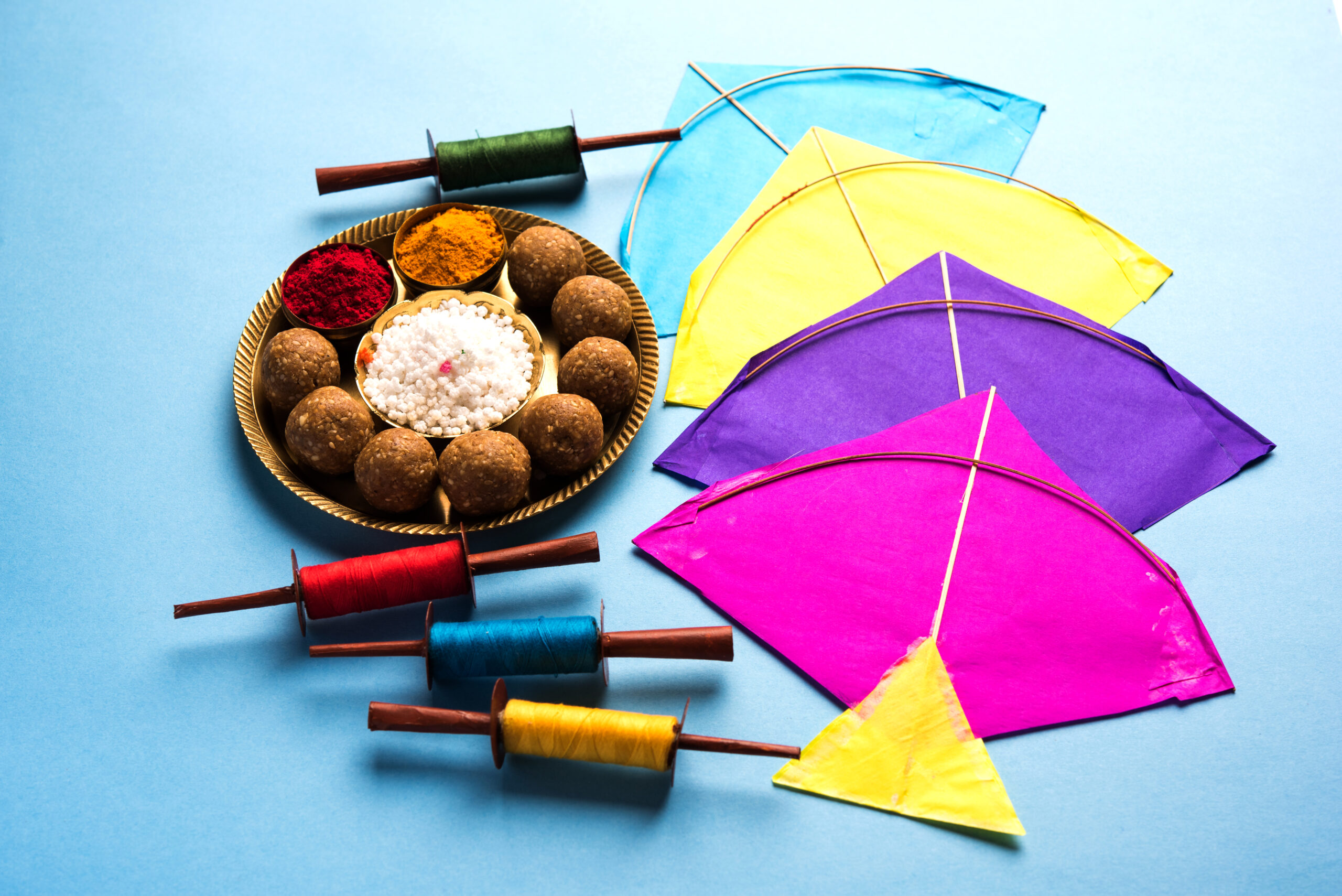
Traditional Foods of Makar Sankranti and Pongal are more than just festive treats; they are edible stories of harvest, gratitude, family, and regional pride, served generously with ghee, jaggery, and the occasional friendly argument over whose grandmother makes it best.

Across India, January brings with it two deeply rooted harvest festivals: Makar Sankranti in much of North, West, and Central India, and Pongal in Tamil Nadu. While the names differ, the sentiment is the same: thanking the sun, celebrating the harvest, and gathering around food that is unapologetically comforting.
Why Food Takes Centre Stage During Harvest Festivals?
Harvest festivals are food festivals by design. After months of hard agricultural work, this is the moment to enjoy the fruits of labour. Ingredients are seasonal, fresh, and symbolic — rice, lentils, sesame seeds, sugarcane, milk, ghee, jaggery, basically everything delicious that also whispers prosperity.
Food during Makar Sankranti and Pongal isn’t just eaten.
It’s offered, shared, gifted, and sometimes gently judged by aunties.
Makar Sankranti
Makar Sankranti marks the sun’s transition into Capricorn (Makara), signalling longer days and the end of winter. It’s celebrated across India under different names — Uttarayan, Lohri, Magh Bihu, Khichdi, Sankranthi, each with its own culinary personality.
The Star Ingredients of Makar Sankranti Foods
- Sesame seeds (til) – warmth, longevity, and winter nutrition
- Jaggery (gur) – sweetness, prosperity, and digestive goodness
- Rice & lentils – abundance and sustenance
- Ghee – because festivals without ghee are just meetings
Til-Gud: The Sweet That Says It All
In Maharashtra and parts of Gujarat, Sankranti is incomplete without til-gud (sesame and jaggery sweets). Often rolled into laddoos, these treats come with the iconic greeting:
“Til-gud ghya, god god bola”
(Take sesame and jaggery, and speak sweetly.)
A polite way of saying: let’s start the year without drama, or at least with fewer WhatsApp forwards.
Til-gud laddoos are rich, nutty, slightly chewy, and incredibly satisfying. In the UK, they’re commonly made using Indian jaggery blocks from South Asian grocers, and they freeze surprisingly well (though they rarely last long enough to test that theory).
Puran Poli & Sweet Flatbreads
In Maharashtra and Karnataka, puran poli makes an appearance — soft flatbreads stuffed with a sweet lentil and jaggery filling, flavoured with cardamom and nutmeg.
Served with a generous drizzle of ghee, puran poli is comfort food with festive credentials. It’s the kind of dish that reminds you food can be indulgent and sacred at the same time.
Khichdi, But Make It Festive
In Uttar Pradesh and Bihar, Sankranti is sometimes simply called Khichdi, and yes, the dish takes centre stage.
This is celebratory khichdi made with rice, lentils, spices, vegetables, and topped with ghee, pickles, papad, and seasonal sides. It’s filling, warming, and designed to be shared.
Sankranti Savouries: Not All Is Sweet
While sweets dominate, savoury snacks also shine:
- Til chikki (sesame brittle)
- Peanut chikki
- Savoury rice dishes with coconut
- Lentil-based fritters
The balance of sweet and savoury mirrors life itself, joy with grounding, indulgence with nourishment.
Pongal: When Rice Becomes a Celebration
Now we travel south to Tamil Nadu, where Pongal is celebrated over four days and centres around rice, gratitude, and the sun god Surya.
The word pongal literally means “to boil over” — a symbol of abundance so powerful that families actually hope the pot spills a little.
The Four Days of Pongal and Their Food Traditions
- Bhogi Pongal – discarding old items, eating simple meals
- Thai Pongal – main harvest day, featuring the iconic Pongal dish
- Mattu Pongal – honouring cattle, with rich meals
- Kaanum Pongal – social visits, leftovers, and family feasts
Food is cooked outdoors in many homes, especially in villages — a reminder that harvest begins in the fields, not the kitchen.
Sakkarai Pongal: The Sweet Heart of the Festival
Sakkarai Pongal is the crown jewel of Pongal celebrations. Made with:
- Newly harvested rice
- Moong dal
- Jaggery
- Ghee
- Cashews
- Raisins
- Cardamom
It’s slow-cooked until creamy, aromatic, and deeply comforting. The flavour is rich but balanced, sweet but not cloying, the kind of dish that doesn’t rush you.
In UK homes, many families recreate sakkarai pongal using pressure cookers or slow cookers, adapting tradition to modern kitchens without losing its soul.
Ven Pongal: The Savoury Counterpart
If sakkarai pongal is a dessert, ven pongal is breakfast, lunch, and emotional support.
This savoury rice and lentil dish is seasoned with:
- Black pepper
- Cumin
- Ginger
- Curry leaves
- Generous ghee
Often served with coconut chutney and sambar, ven pongal proves that simple ingredients, treated with respect, can be extraordinary.
It’s also one of the most comforting dishes in South Indian cuisine, especially welcome during cold UK winters.
Sweet vs Savoury: Sankranti and Pongal Compared
While both festivals celebrate harvest and abundance, their food philosophies differ slightly:
- Makar Sankranti leans heavily into sesame, jaggery, and dry sweets
- Pongal focuses on rice-based dishes with both sweet and savoury expressions
- Sankranti foods vary dramatically by region
- Pongal foods are more uniform but deeply ritualistic
Together, they show India’s diversity, many traditions, and one shared gratitude for food.
The Symbolism Behind the Ingredients
These festivals aren’t random culinary indulgences. Every ingredient carries meaning:
- Rice – life, sustenance, fertility
- Jaggery – purity, sweetness, prosperity
- Sesame – longevity, warmth, health
- Milk & ghee – nourishment, auspiciousness
- Lentils – strength and balance
It’s food designed to nourish body and spirit, something modern diets could take notes from.
How the Diaspora Keeps These Traditions Alive in the UK?
Across the UK, Indo-Caribbean, South Indian, North Indian, and mixed-heritage households continue to celebrate Makar Sankranti and Pongal, sometimes on weekends, sometimes merged with work schedules, always with heart.
Community temples organise pongal cook-outs. Families exchange til-gud in Tupperware containers that have seen many festivals. Kids learn why the pot must boil over — and why the kitchen floor is now sticky.
Adaptations happen, but the meaning remains.
Modern Twists Without Losing Tradition
Younger generations are experimenting with:
- Vegan sakkarai pongal using coconut oil
- Baked til bars instead of deep-fried sweets
- Reduced sugar versions using dates
- Fusion desserts like til brownies (controversial but intriguing)
Tradition evolves — it always has.
Why These Foods Still Matter Today?
In a world of fast meals and faster lives, the traditional foods of Makar Sankranti and Pongal ask us to slow down.
They remind us to:
- Eat seasonally
- Cook intentionally
- Share generously
- Celebrate collectively
And perhaps most importantly, to respect where our food comes from.
Final Thoughts: More Than Just a Meal!
Traditional Foods of Makar Sankranti and Pongal are reminders that food is memory, ritual, and connection. Whether you’re stirring a pot of pongal in Chennai, London, or Leicester, or rolling til laddoos while chatting across generations, you’re participating in something timeless.
So, this harvest season, cook something traditional. Let it boil over. Let it be sweet. Let it be savoury. And let it remind you that culture, much like good food, is best when shared.
Hungry for more stories where culture meets cuisine? Stay connected with CurryBien, where heritage always comes with flavour.