
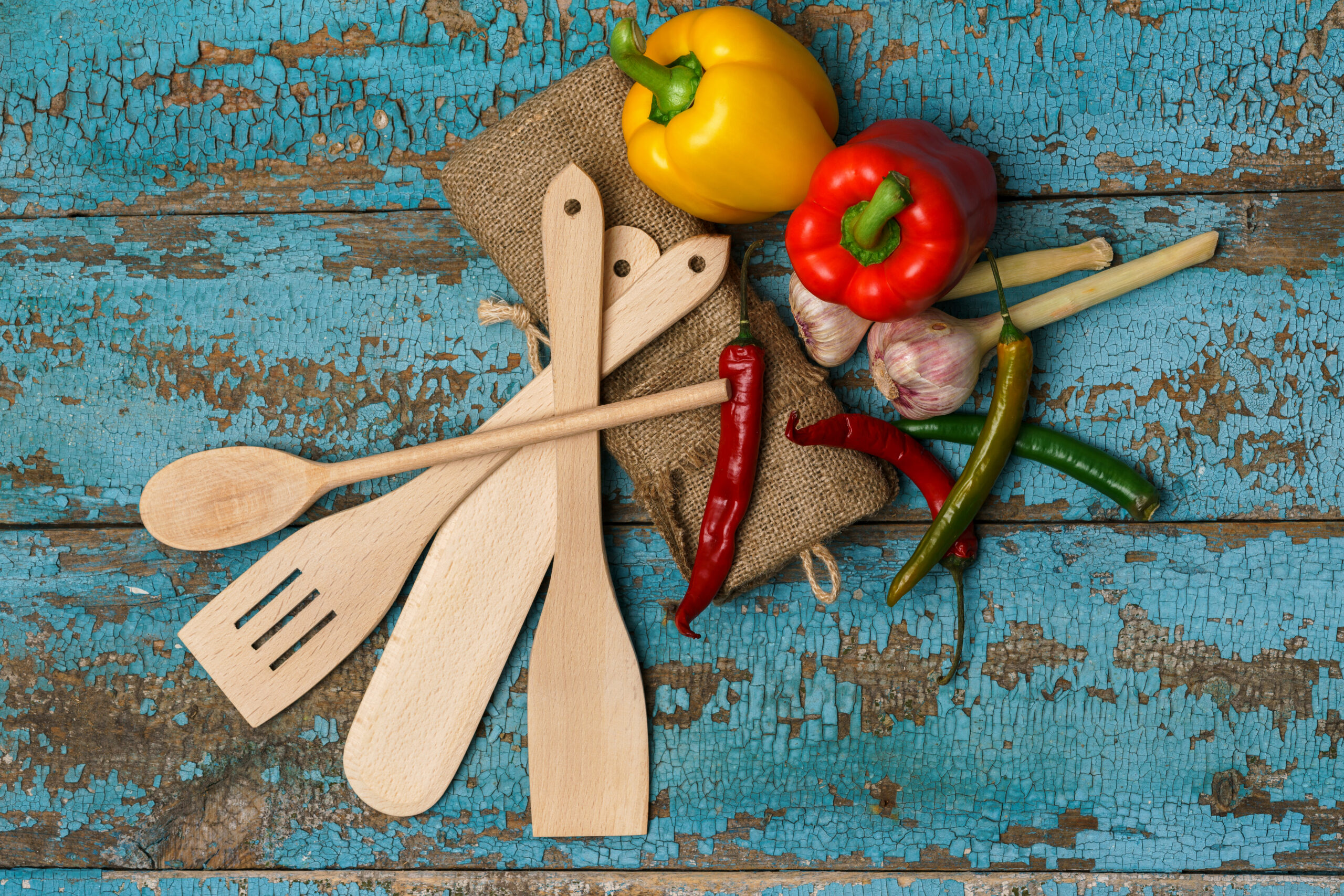
Traditional Caribbean Cooking Tools are more than just kitchen equipment, they are storytellers, flavour builders, and cultural anchors that have travelled oceans, generations, and family kitchens. Long before shiny electric appliances and online recipe videos, Caribbean homes relied on sturdy, handmade, and deeply practical utensils that turned simple ingredients into unforgettable dishes. Whether it’s roti puffing on a hot tawa or spices crushed on a sil-batta, these tools hold heritage in their grooves and warmth in their handles.

For many Indo-Caribbean families, cooking is not merely a task, it is an inherited rhythm. The clang of metal against metal, the earthy scent of ground masala, and the comforting scrape of dough being rolled are all part of a sensory tradition that still thrives in 2026. Even younger generations, armed with modern kitchens, often find themselves returning to these trusted traditional utensils because nothing quite replaces authenticity. Convenience is nice, but flavour with nostalgia? That’s priceless.
Let’s explore five essential traditional Caribbean cooking tools that remain staples in homes across the UK diaspora and beyond.
1. The Tawa – The Heart of Flatbread Magic
If roti, paratha, or sada roti is on the menu, the tawa takes centre stage. This flat, heavy, round griddle is designed to distribute heat evenly, allowing dough to cook slowly and puff perfectly. Unlike lightweight frying pans, a proper tawa retains heat and creates the slight char that gives flatbreads their irresistible taste.
Many Caribbean households swear by cast-iron tawas passed down through generations. They develop a natural seasoning over time, making each roti better than the last. The slight imperfections on the surface often become badges of honour, proof of years of culinary success.
Flavour Tip: Always pre-heat your tawa properly. A lukewarm tawa leads to flat, sad roti, and nobody deserves sad roti.
2. The Belna – Precision in Every Roll
A tawa without a belna is like tea without sugar, technically functional, but emotionally lacking. The belna, or rolling pin, is crucial for shaping dough evenly before it meets the tawa. Its smooth cylindrical design ensures that rotis are thin, round, and cooked uniformly.
In Caribbean kitchens, the belna often sits next to a round wooden board known as the chakla. Together, they form a dynamic duo that has shaped countless meals. While modern rolling pins exist in every supermarket, many cooks still prefer the traditional wooden belna for its balance and grip.
Practical Insight: A slightly dusted belna prevents dough from sticking and keeps rolling frustration to a minimum.
3. The Karahi – Where Curries Come Alive
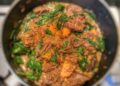
When it comes to curry dishes, the karahi reigns supreme. This deep, round cooking pot with sloped sides is perfect for frying spices, simmering stews, and building layers of flavour. The thick metal walls allow slow cooking, which is key for Caribbean curries that demand patience and love.
Karahi cooking is not about speed; it is about depth. The shape helps retain aroma and moisture, ensuring that spices bloom fully and ingredients absorb flavour thoroughly. From channa and aloo to curry goat, the karahi turns everyday ingredients into memorable meals.
Kitchen Wisdom: Avoid overcrowding the karahi. Give your spices room to breathe and your curry room to thicken.
4. The Sil Batta – Ancient Grinding, Modern Flavour
Few tools connect cooks to tradition as powerfully as the sil-batta. This stone grinding slab and rolling stone combination predates blenders by centuries, yet many swear its results are superior. Grinding spices manually releases essential oils differently, producing richer aromas and deeper tastes.
Using a sil-batta is a workout, yes, but it is also a meditative process. The rhythmic motion of crushing garlic, ginger, and herbs brings a sense of calm and connection that modern appliances rarely replicate. It is also incredibly durable; once purchased, it can last a lifetime.
Flavour Tip: Slightly dampen the stone before grinding to prevent ingredients from scattering and to achieve smoother pastes.
5. Traditional Utensils – The Unsung Heroes
Beyond the major tools, smaller traditional utensils play equally vital roles. Long-handled spoons, metal ladles, coconut graters, and wooden spatulas quietly support the cooking process. These items might seem simple, but their design is rooted in practicality and longevity.
Wooden spoons prevent scratching, metal ladles handle high heat, and coconut graters bring fresh texture that packaged coconut simply cannot match. Together, these tools create a kitchen ecosystem where each piece serves a purpose, no flashy gadgets required.
Practical Insight: Investing in sturdy utensils saves money long-term and keeps flavours authentic.
Why These Tools Still Matter in 2026?
In an age of air fryers and multi-cookers, it might seem surprising that traditional tools remain relevant. Yet their continued popularity lies in three simple truths: durability, flavour, and emotional value. These tools do not merely cook food; they preserve culinary identity.
For UK-based Indo-Caribbean families, traditional equipment bridges cultural gaps between generations. Children watching grandparents grind spices or roll rotis learn more than recipes, they learn history, patience, and pride. A sil-batta or karahi is often one of the first “heritage purchases” new households make when setting up their kitchens.
Moreover, traditional utensils align beautifully with modern sustainability values. They last longer, produce less waste, and require minimal electricity. In a world increasingly focused on conscious living, old tools suddenly feel very new again.
Blending Tradition with Modern Kitchens
Owning traditional Caribbean cooking tools does not mean rejecting modern convenience; rather, it is about finding a comfortable balance between heritage and practicality. Today’s kitchens often blend old and new in a way that respects tradition while embracing efficiency. Many home cooks happily rely on electric appliances for speed but still reach for traditional equipment when flavour and texture truly matter. For instance, spices may be quickly pulsed in a blender to save time, then gently crushed or finished on a sil-batta to release deeper aromas and oils that machines alone often miss. It is not about choosing one over the other, it is about letting each tool do what it does best.
This balance also reflects how cooking itself has evolved. Modern households are busier, yet the desire for authentic taste remains strong. Traditional utensils offer a tactile, sensory connection to food preparation, the sound of grinding stone, the rhythm of rolling dough with a belna, or the gentle sizzle on a hot tawa. These experiences cannot be fully replicated by digital buttons or automatic settings, and for many, they form part of the joy of cooking rather than a chore.
At the same time, manufacturers have recognised this emotional and cultural value and begun designing updated versions of classic tools. Induction-friendly tawas, lightweight aluminium or stainless-steel karahis, and ergonomically shaped rolling pins now exist, making it easier for these timeless utensils to fit seamlessly into contemporary kitchens. Even traditional grinding stones are sometimes paired with silicone bases or compact designs to suit smaller living spaces. Innovation has not replaced tradition; it has simply given it new handles, quite literally in some cases.
Ultimately, using traditional Caribbean cooking tools alongside modern appliances is less about nostalgia and more about choice. It allows cooks to enjoy efficiency when needed and authenticity when desired. This harmony keeps culinary heritage alive while ensuring it remains practical for everyday life, proving that tradition does not need to be preserved in a museum, it can thrive right on the kitchen counter.
The Emotional Ingredient
Beyond practicality and flavour, these tools carry emotional significance. A belna inherited from a grandmother or a karahi gifted at a wedding becomes more than metal or wood, it becomes a memory holder. Cooking with these items often feels like sharing the kitchen with ancestors, even if only symbolically.
Food is one of the strongest cultural connectors, and traditional cooking equipment keeps that connection tangible. In diaspora communities especially, where identity can feel stretched between continents, such tools provide grounding reassurance.
Final Thoughts!
Traditional Caribbean cooking tools are not relics of the past; they are living companions in kitchens across the globe. From the sizzling tawa to the humble wooden spoon, each piece contributes to a culinary heritage that continues to evolve while staying beautifully rooted. They remind us that flavour is not just about ingredients, it is also about the instruments that shape them.
And if your kitchen ever feels a little too modern or a little too quiet, perhaps all it needs is the gentle rhythm of a sil batta or the comforting warmth of a karahi. Keep the tradition alive, keep the flavours bold, and don’t forget to follow Currybien for more culture-packed kitchen inspiration, your spice rack will thank you with a happy little wink.