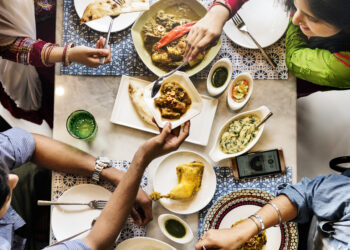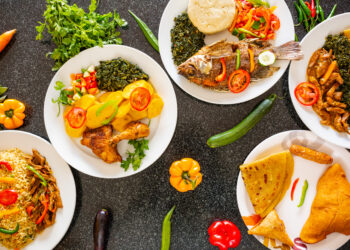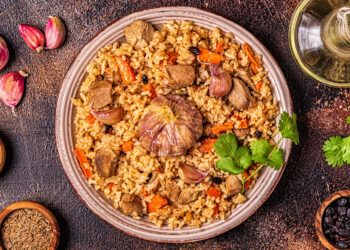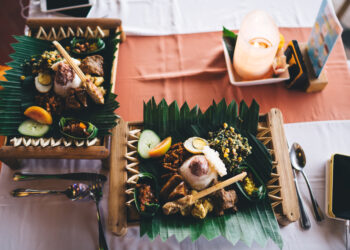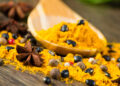

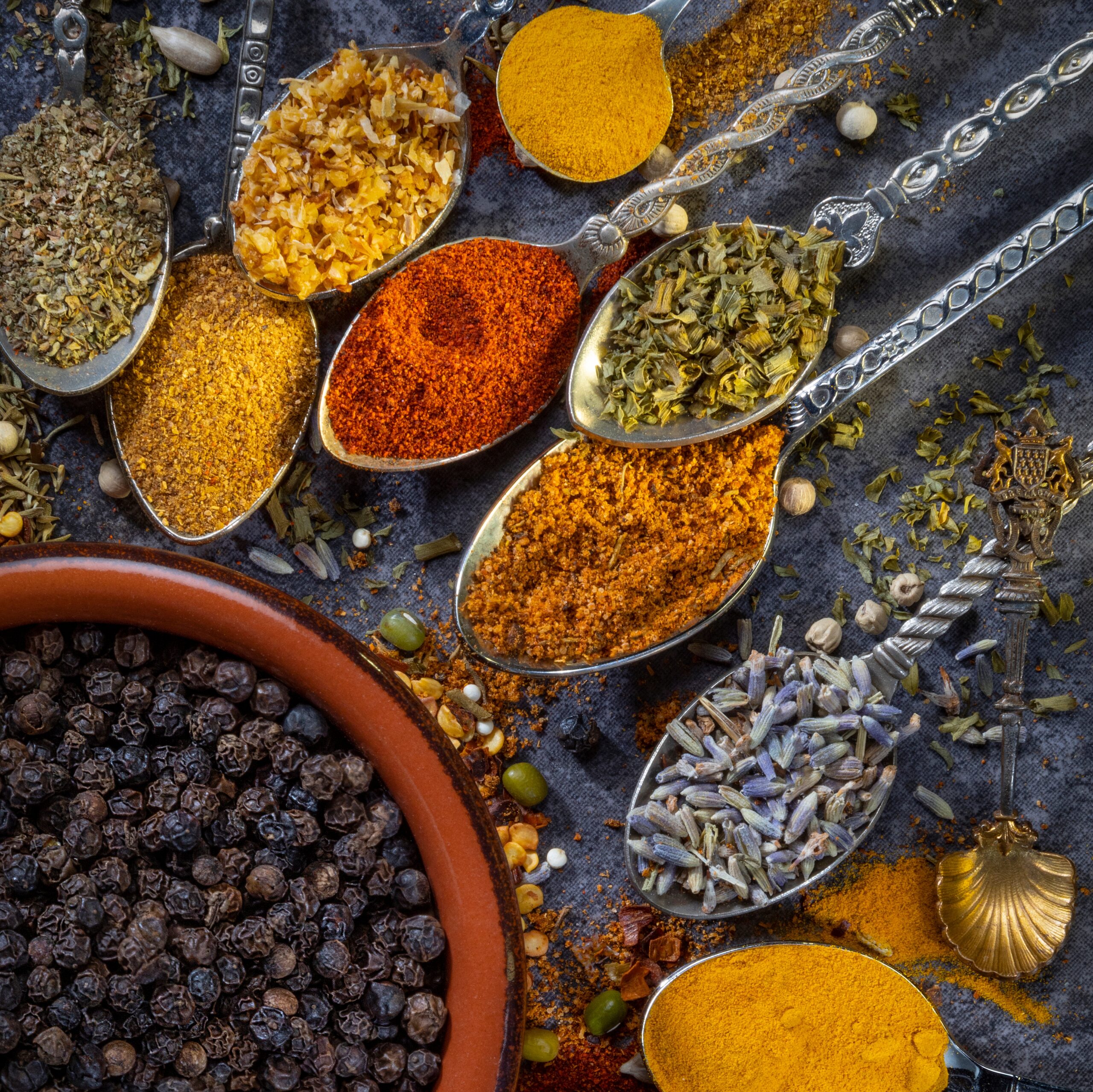
Indo-Caribbean Spice is more than just a flavour, it is a memory, a rhythm, a family story simmering in a pot and dancing through kitchens from Trinidad to London. The aroma of roasted cumin, coriander, and chilli drifting through the air is enough to transport anyone straight to a Sunday lunch table where someone is always saying, “Just a little more pepper… no, maybe not that much!” Spice is identity, culture, and comfort wrapped into one fragrant spoonful.

When it comes to Indo-Caribbean cooking, spice blends are not optional extras, they are the heartbeat of the cuisine. Whether you are cooking dhal, curry chicken, aloo pie, or a humble vegetable stir-fry, the right blend can turn a simple dish into something unforgettable. In 2026, kitchens across the UK are embracing deeper, fresher, more homemade flavours, and that means stocking the cupboard with the right essentials.
From green seasoning, curry powder, garam masala blends to lesser-known regional mixes, here are ten Indo-Caribbean spice blends you absolutely need, along with DIY tips and flavour tricks to make every meal sing.
1. Classic Indo-Caribbean Curry Powder
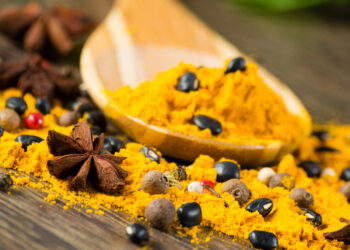
No Indo-Caribbean kitchen is complete without curry powder. Unlike store-bought generic mixes, Indo-Caribbean curry powder is richer, earthier, and often toasted before use. It carries turmeric, coriander, cumin, fenugreek, mustard seed, and sometimes roasted geera for extra depth.
DIY Tip:
Toast cumin and coriander seeds lightly before grinding. The aroma will make you feel like a spice wizard.
Flavour Tip:
Always “burn” or bloom curry powder in hot oil before adding ingredients. This releases the oils and prevents a raw taste.
2. Green Seasoning
Technically not dry, but absolutely essential. Green seasoning is a vibrant herb blend made with scallions, thyme, garlic, parsley, celery, peppers, and sometimes culantro. It is used as a marinade, base, and flavour enhancer.
DIY Tip:
Blend fresh herbs with a splash of lime juice and oil. Freeze in ice cube trays for easy use.
Flavour Tip:
Add a spoonful to soups or rice dishes, instant freshness without extra effort.
3. Garam Masala (Indo-Caribbean Style)
Garam masala in Indo-Caribbean kitchens leans warmer and sweeter than Indian versions. It often includes cinnamon, clove, cardamom, and nutmeg with roasted cumin.
DIY Tip:
Grind spices fresh and store in airtight jars. Pre-ground blends lose potency quickly.
Flavour Tip:
Add at the end of cooking rather than the start to keep the fragrance alive.
4. Roasted Geera Blend
Geera (cumin) holds a sacred place in Indo-Caribbean cooking. A roasted geera blend enhances everything from channa to rice dishes.
DIY Tip:
Dry roast cumin seeds until slightly dark but not burnt. Grind with a pinch of salt.
Flavour Tip:
Sprinkle over boiled eggs or roasted vegetables for instant depth.
5. Pepper Sauce Spice Mix
While pepper sauce itself is liquid, a dry spice mix forms its backbone. Dried chilli flakes, mustard seeds, garlic powder, and vinegar-friendly spices make this fiery staple.
DIY Tip:
Add dried mango powder or lime zest for a tangy twist.
Flavour Tip:
Use sparingly unless you enjoy tears with your dinner.
6. Doubles Masala Blend
For lovers of Trinidadian street food, doubles masala is pure joy. It often includes turmeric, cumin, coriander, amchar masala, and chilli powder.
DIY Tip:
Add roasted fennel for a subtle sweetness.
Flavour Tip:
Perfect for chickpeas, roasted potatoes, or even sprinkled over popcorn for adventurous snackers.
7. Amchar Masala
Tangy, spicy, and slightly sour, amchar masala brings a citrusy punch. Traditionally made with dried mango powder, garlic, chilli, and mustard seed.
DIY Tip:
If dried mango is hard to find, lemon zest works surprisingly well.
Flavour Tip:
Great on fried fish, grilled vegetables, or even avocado toast if you’re feeling fusion-friendly.
8. Jerk-Inspired Indo-Caribbean Blend
Though jerk originates from Jamaican cuisine, Indo-Caribbean kitchens often adapt it. Think allspice, thyme, garlic powder, nutmeg, and chilli.
DIY Tip:
Add a pinch of brown sugar to balance the heat.
Flavour Tip:
Works beautifully on roasted chicken, tofu, or aubergine.
9. Chaat-Influenced Street Spice
This blend reflects Indo-Caribbean street snacks. Black salt, cumin, coriander, chilli, and tangy notes create addictive flavour.
DIY Tip:
A small amount of black salt adds authenticity.
Flavour Tip:
Sprinkle on fruit, fries, or roasted chickpeas.
10. Everyday Kitchen Masala
A versatile blend combining turmeric, coriander, cumin, garlic powder, and paprika. This is the “grab and go” mix for busy evenings.
DIY Tip:
Keep a jar labelled “Everything Masala” to save time.
Flavour Tip:
Use for stir-fries, soups, marinades, or scrambled eggs, it never disappoints.
Why Homemade Blends Matter in 2026?
Modern UK kitchens are leaning towards authenticity and freshness. Pre-packed spice mixes are convenient, but they rarely match the vibrancy of homemade blends. Grinding your own spices gives you control over heat levels, aroma, and intensity. It also means fewer additives and more personality in every dish.
Homemade blends also connect people to heritage. Measuring, roasting, and mixing spices can feel like stepping into a tradition that spans generations. It is cooking with intention rather than simply following a recipe.
Storage Tips for Maximum Freshness
Spices may not expire quickly, but they do lose potency. A well-organised cupboard makes all the difference.
- Store in airtight glass jars.
- Keep away from direct sunlight.
- Label with dates.
- Avoid storing above the stove where heat shortens shelf life.
- Buy whole spices when possible and grind in small batches.
A fresh spice blend can elevate even the simplest lentil soup into something restaurant-worthy.
Balancing Heat and Aroma
Indo-Caribbean cooking is not always about fiery heat, although many proudly believe it should be. True flavour lies in balance. Chilli adds heat, but spices like cinnamon, clove, and nutmeg add warmth. Coriander and cumin provide earthiness, while herbs offer freshness.
A good rule is to build layers:
- Toast whole spices.
- Add ground spices during cooking.
- Finish with aromatic blends like garam masala.
- Adjust salt and acidity at the end.
This layering technique creates complexity without overwhelming the palate.
Pairing Spice Blends with Everyday UK Ingredients
One of the joys of Indo-Caribbean spice is its adaptability. You do not need exotic ingredients to enjoy bold flavours.
- Roast potatoes with curry powder.
- Add green seasoning to grilled mushrooms.
- Sprinkle geera on soups.
- Use amchar masala on salads.
- Season lentils with everyday masala blends.
Spices bridge cultures, turning familiar ingredients into exciting meals.
The Future of Indo-Caribbean Spice
In 2026 and beyond, spice blends are moving beyond traditional dishes into fusion cooking. Indo-Caribbean flavours are appearing in wraps, vegan bowls, and even brunch menus. Home cooks are experimenting more, blending heritage with modern tastes.
This evolution keeps the cuisine alive and thriving, proving that spices are not static, they grow with the people who use them.
A well-stocked spice cupboard is not just about cooking; it is about storytelling, heritage, and joy. With the right blends, from green seasoning, curry powder, garam masala blends to tangy amchar and roasted jeera, every meal becomes a celebration of Indo-Caribbean culture and creativity. So open those jars, let the aromas rise, and cook with confidence and colour and don’t forget to follow Currybien for more adventures, because your spice journey deserves a happy little companion.